
Last updated October 17, 2026
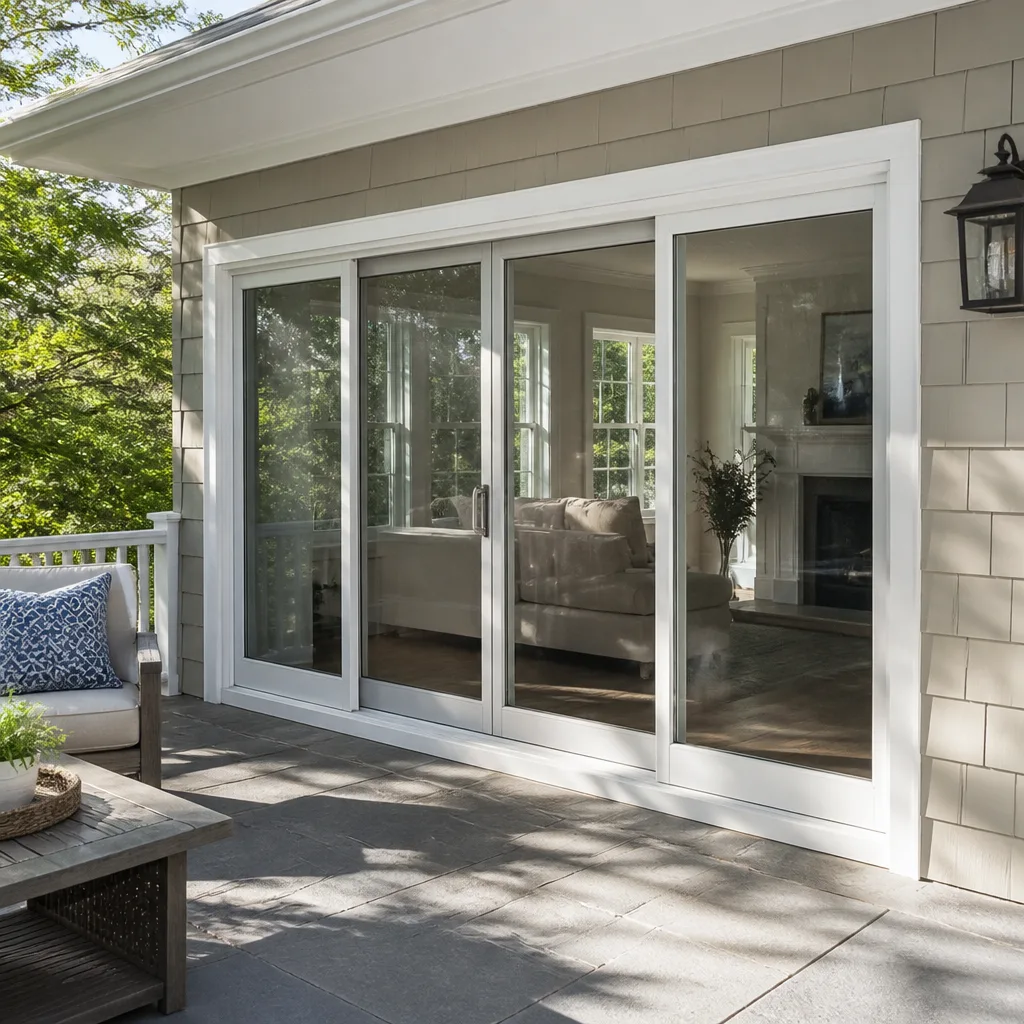 Sliding glass doors
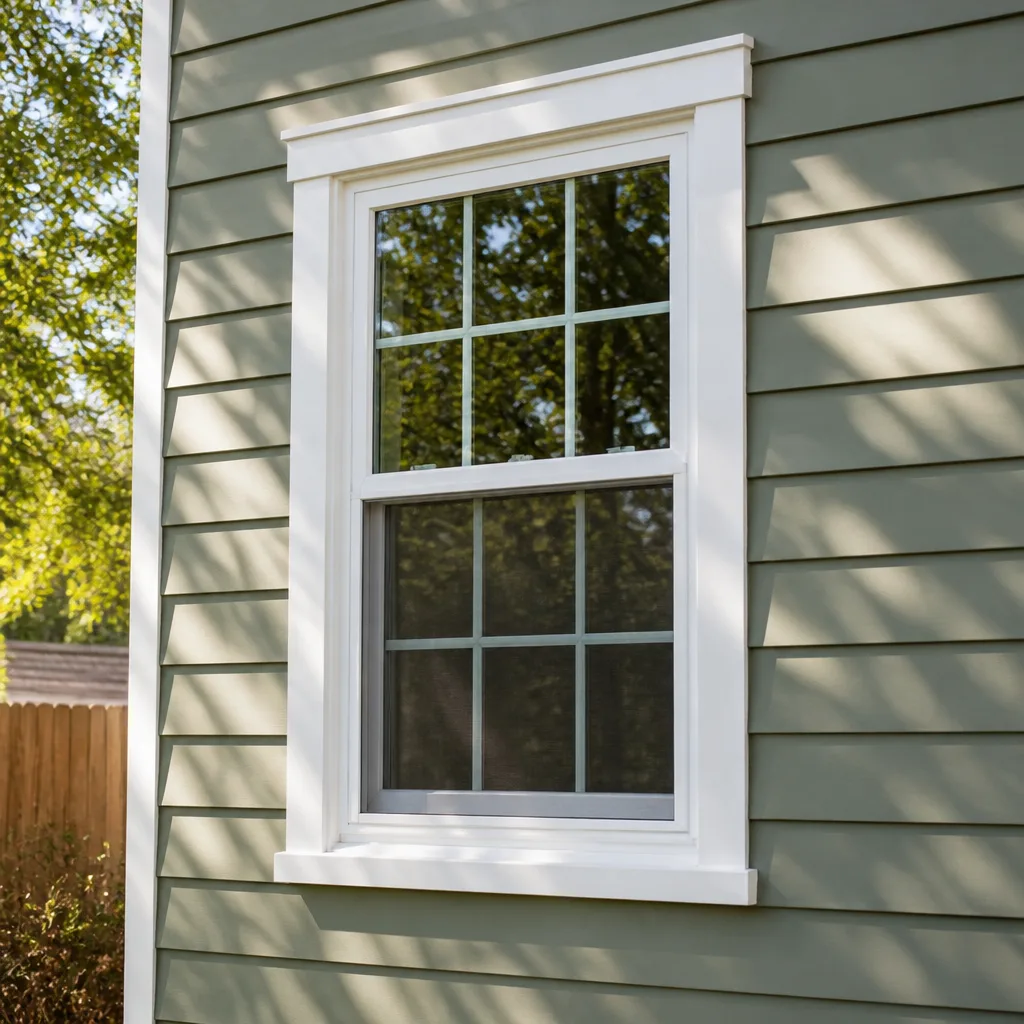 Single hung
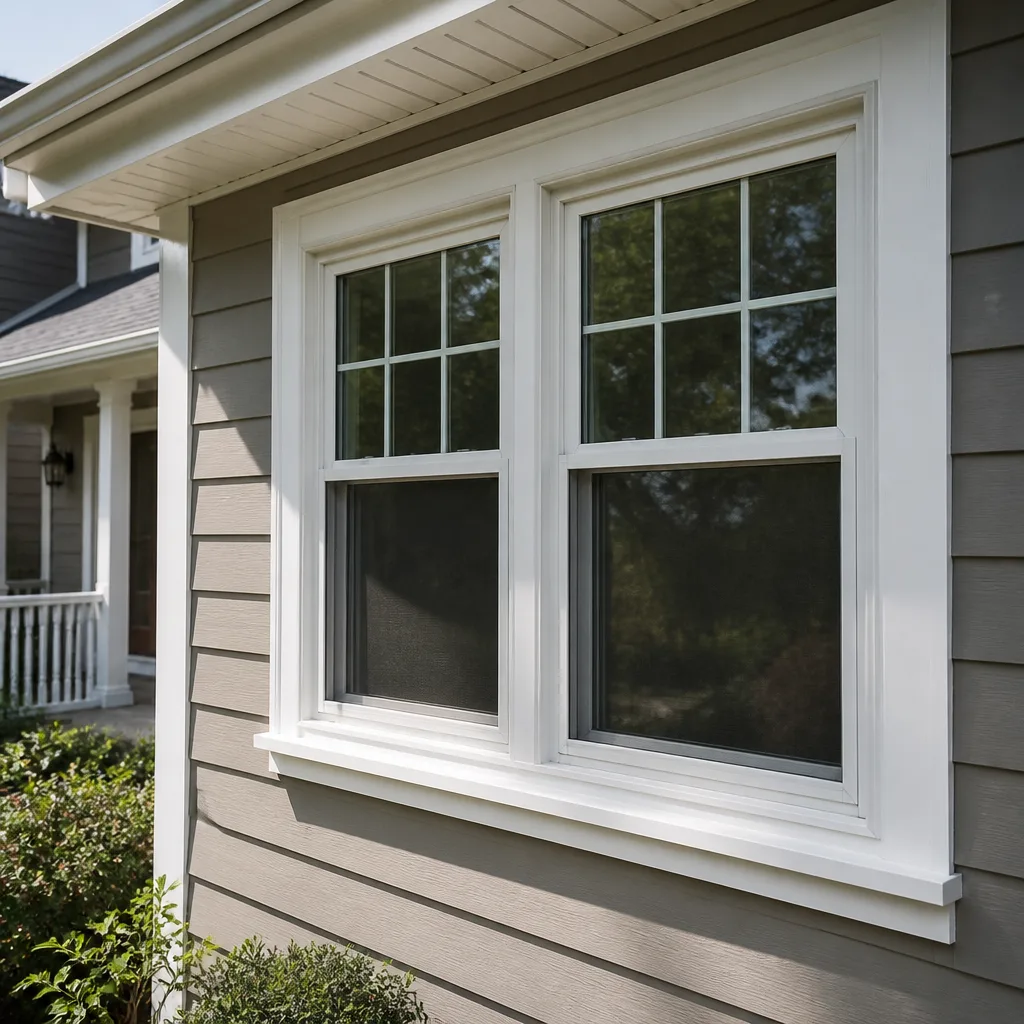 Double hung
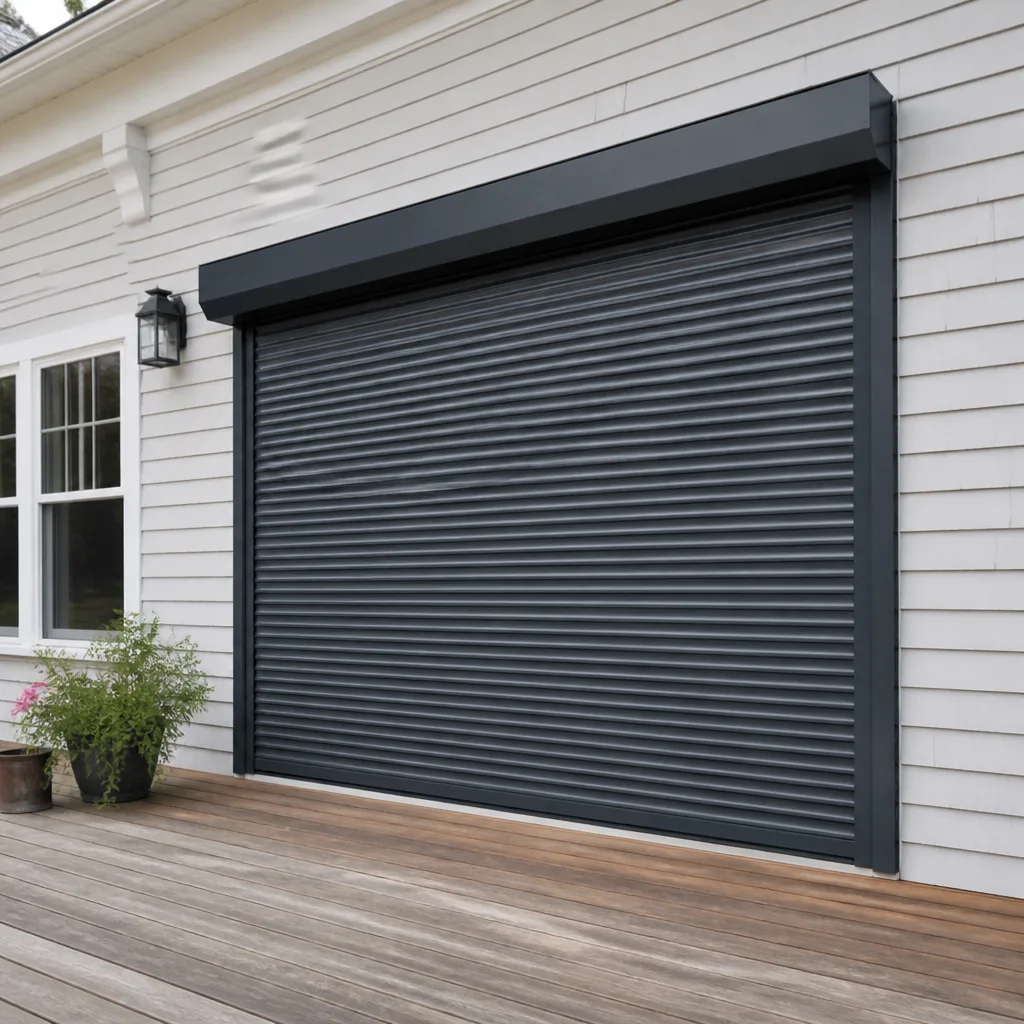 Horizontal roller
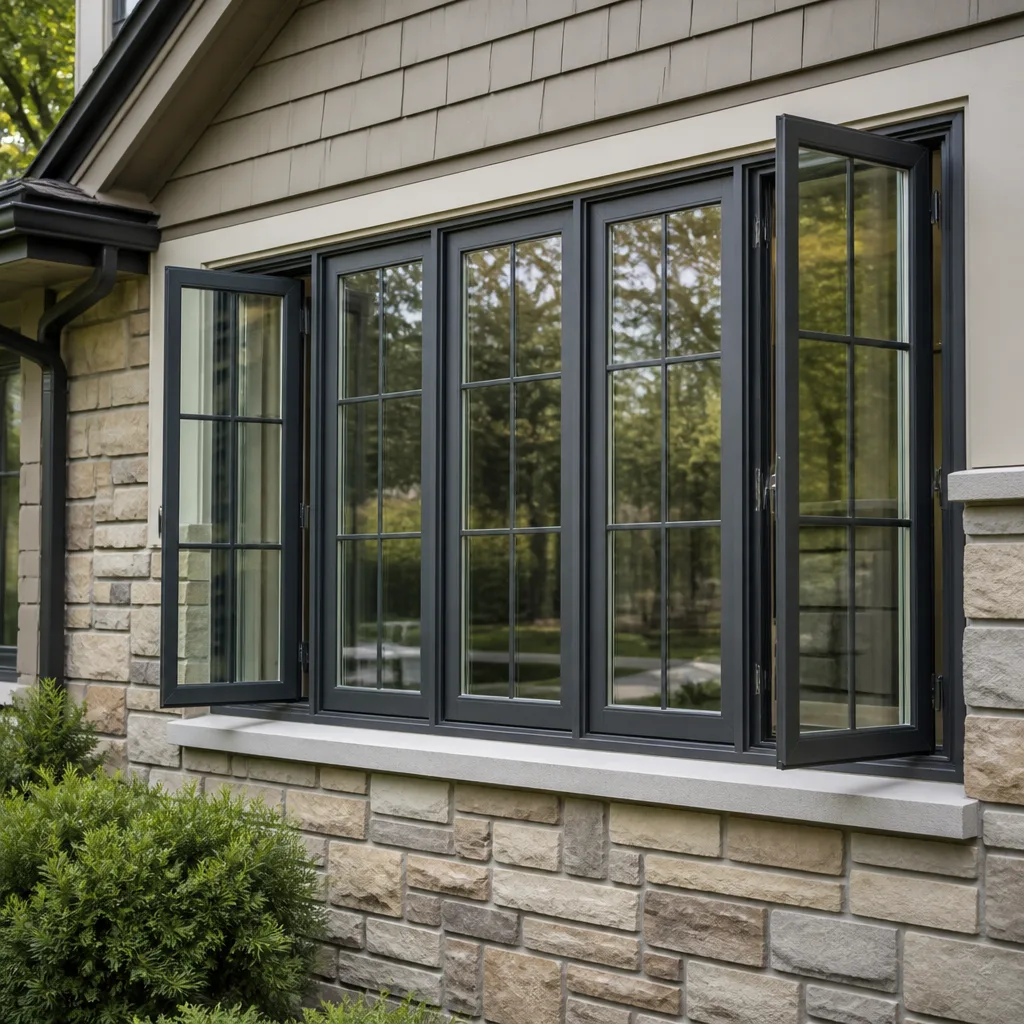 Casement
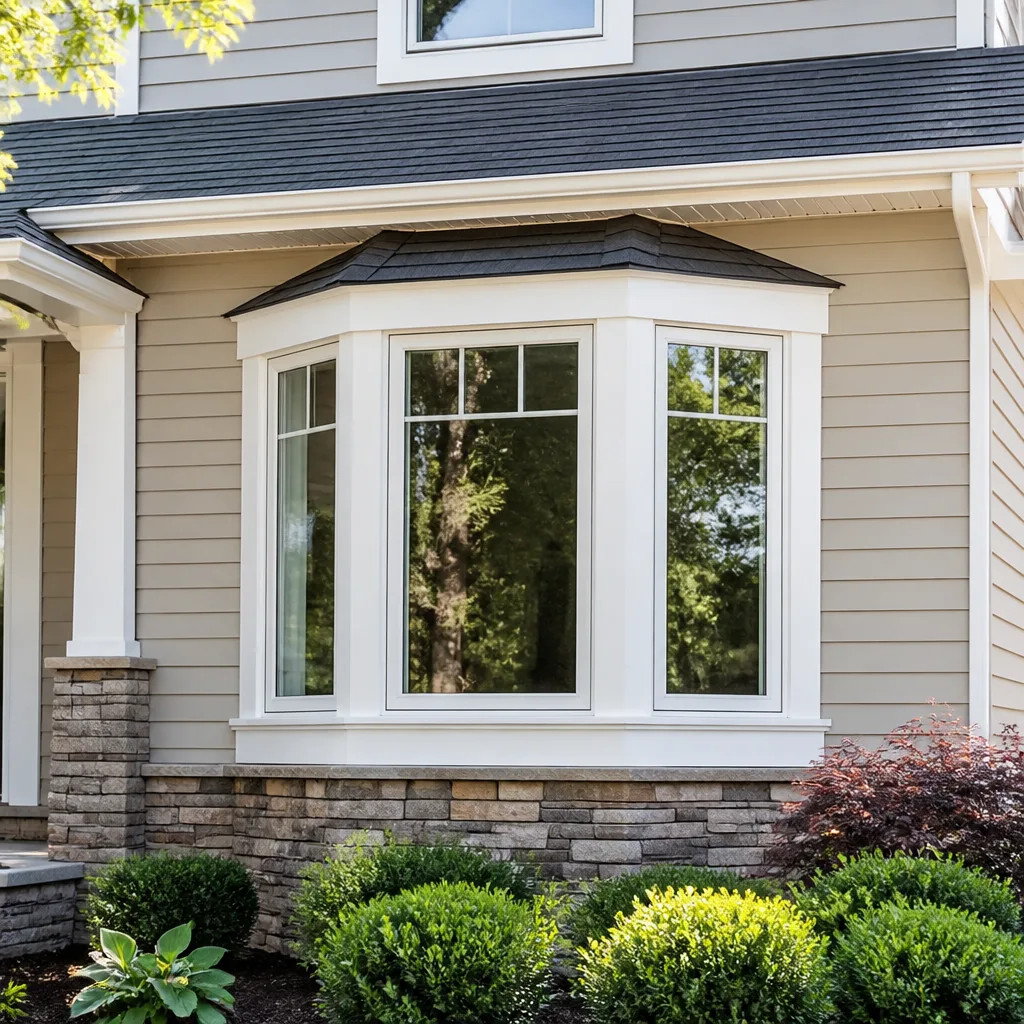 Bay & bow
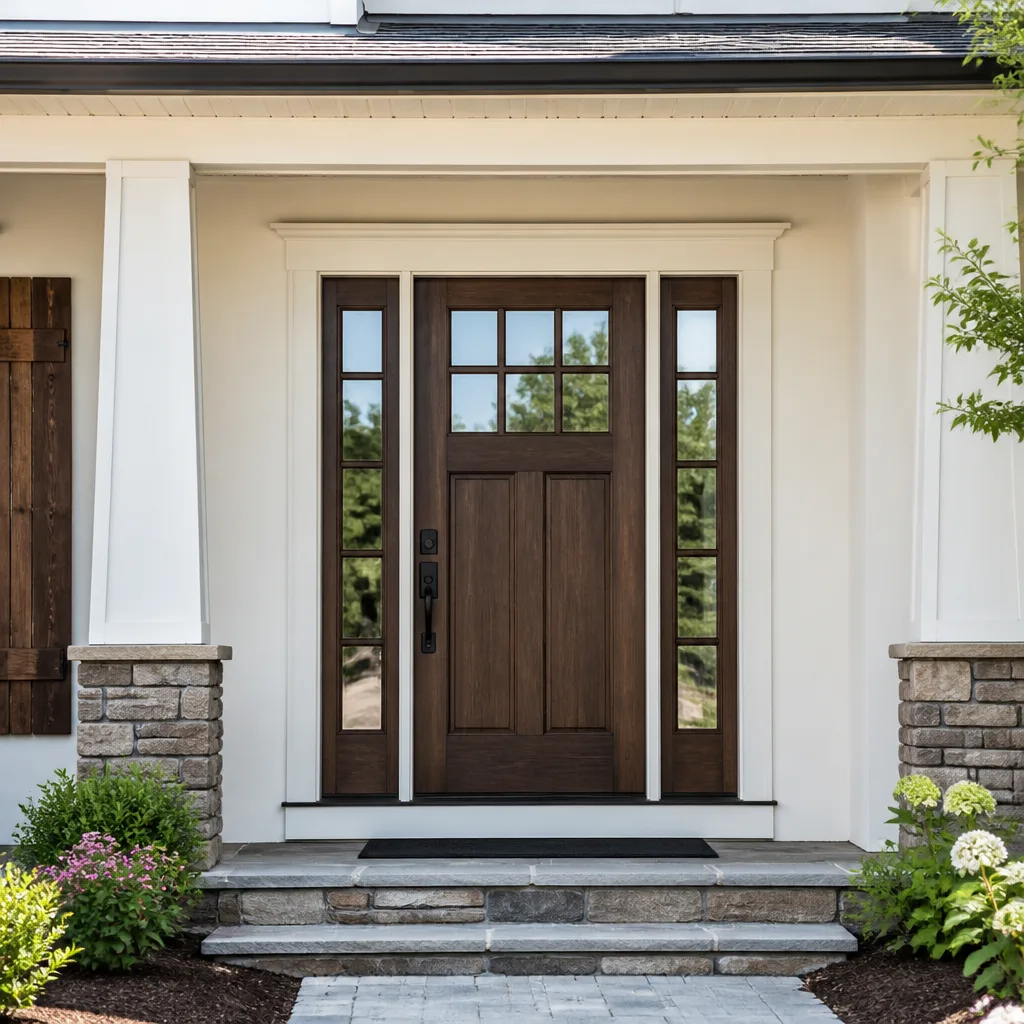 Entry doors
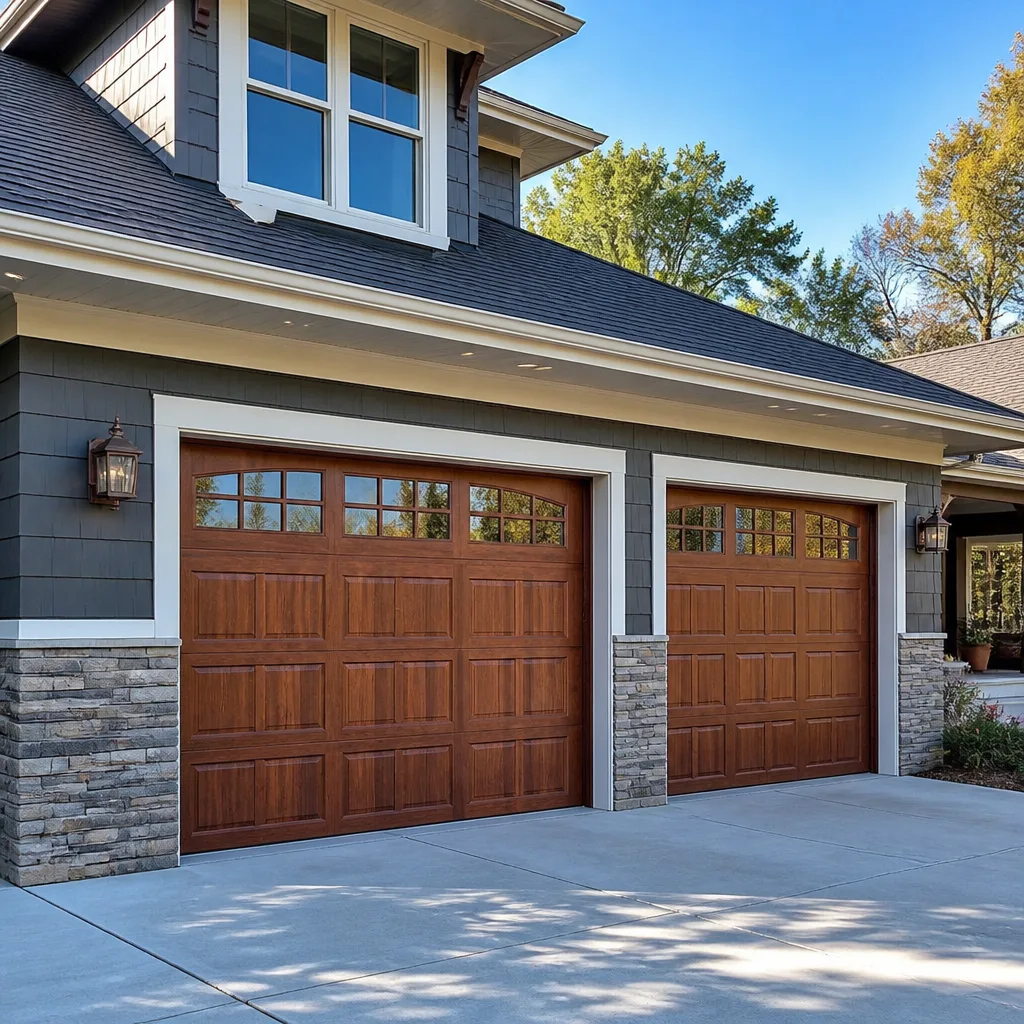 Impact garage doors
 PGT
PGT CGI
CGIFree in-home measure and quote - PGT, CGI and CWS impact lines compared on your actual openings, style by style
Get your free estimateWindows & Doors Warning Signs: A West Palm Beach Homeowner’s Reference Guide
The warning sign West Palm Beach homeowners most commonly miss isn’t a crack or a leak. It’s a door that suddenly needs more force to latch. That resistance is often the first measurable sign that the frame has shifted, the sill has begun to rot, or the impact seal has separated from the glass unit. In The Complete Guide to Windows & Doors in West Palm Beach, we’ll walk you through the warning signs that show up early here in West Palm Beach, so you catch them long before water gets inside the wall, the frame goes soft, or a failed storm test turns a small repair into a full replacement.
Styles & brands we work with
Quick Answer
Windows and doors in West Palm Beach fail in a predictable sequence, and most early warning signs are visible if you know where to look. The common signals include condensation between panes, oxidation banding on aluminum frames, sealant lines that are shrinking or pulling away, weep holes that stay stained, doors that drag or need force to latch, and screen corners that separate. The takeaway: condensation inside the glass means the unit has failed, and it needs replacement, not a wipe-down. Any frame oxidation or sealant gap should be addressed before the next hurricane season, because both indicate that water has an entry point or will have one soon.
Table of Contents
- Condensation: Inside the Glass vs. On the Glass
- Frame Oxidation Banding: The Florida-Specific Sign
- Sealant Shrinkage Lines and Where They Lead
- Weep Hole Blockage Staining: Water That Can’t Get Out
- Screen Frame Corner Separation
- Door Warning Signs: Latch Resistance and Deadbolt Stick
- Cosmetic Weathering vs. UV-Protection Failure
- Triage Table: Sign, Cause, Urgency, and Response
- Common Mistakes to Avoid
- When to Call a Professional
- Frequently Asked Questions
- The Bottom Line
Condensation: Inside the Glass vs. On the Glass
The single most important diagnostic in window care is learning where the moisture sits. Condensation that forms on the interior surface of the glass, the part you can touch from inside the living room, is almost always a humidity issue in the home, not a window failure. It happens when warm, moist indoor air hits a cool glass surface. The fix is usually ventilation: run the bath fan longer, check the dryer vent, or adjust the thermostat. Condensation between the panes is a different story. If you see fog, haze, or water droplets trapped inside the sealed glass unit, the insulating glass unit has failed. The seal around the glass sandwich has broken, the argon or krypton gas has escaped, and the only real repair is replacing the glass unit or the entire sash.
Here’s the sequence we usually see in West Palm Beach homes. A sealed unit fails along the bottom edge first, because that’s where the unit sits in the frame and where water pools after a driving rain. You might notice a faint haze low in the glass on a humid morning that clears by afternoon. Within a few months it becomes permanent fog. By that point the window has lost most of its insulating value and the frame may be collecting water inside. If you get one failed unit replaced early, you often save the sash and frame. Wait a year, and the rot begins. For a sense of what full window replacement in West Palm Beach involves and costs, the range is generally $600 to $1,800 per opening depending on size, glass package, and frame material.
Frame Oxidation Banding: The Florida-Specific Sign
Aluminum frames in South Florida don’t just fade. They oxidize in bands that follow the points where moisture sits longest: along the bottom rail, around the screw bosses, and wherever the factory finish was scratched during installation. The pattern is distinct. A dull, chalky stripe runs parallel to the sill. White powdery residue collects in the corners where the frame meets the glass. Where the finish is still intact, the frame looks almost new. That banding is the frame’s UV-protection layer breaking down. Once it’s gone, the aluminum underneath begins to corrode in the salty, humid air of West Palm Beach. Coastal properties, especially those within a mile of the Intracoastal, see this progress in three to five years. Inland neighborhoods like Riverwalk or The Acreage might take twice as long.
The practical question is when oxidation is cosmetic and when it is structural. If the chalky residue wipes off with a damp rag and the metal underneath is smooth, the frame still has life. We often tell homeowners to clean the frame with mild soap, dry it, and apply a marine-grade protectant. That buys time. But if you feel pitting when you run a fingernail across the oxidized band, the aluminum itself is corroding. Pitting weakens the extrusion, and those pits are where the corner welds and fasteners begin to fail during a wind event. That frame is no longer a cosmetic issue. It is a structural one, and the fix is replacement, not polishing.
We carry frames from manufacturers that build specifically for this climate. CWS and ES Windows both produce aluminum and thermally broken frames with marine-grade finishes designed for the salt air we live with. When we install them, we spec the finish based on the home’s distance from saltwater, which is something a written estimate should always explain. A frame that will live a mile from the beach in West Palm Beach is not the same product as one that will live five miles inland.
Sealant Shrinkage Lines and Where They Lead
Sealant is the most underrated component in any window or door installation. It’s the material that bridges the gap between the new frame and the rough opening, and it’s the first thing to fail in West Palm Beach’s heat. The typical sign is a visible gap or a concave line where the bead of sealant used to be. Silicone and polyurethane sealants shrink as they age, and in direct sun, that shrinkage accelerates. The result is a fine crack running along the top of the frame or down the jamb, often no wider than a credit card edge. Homeowners miss it because it’s small, and because it’s up high.
That hairline is a water entry point. Wind-driven rain in West Palm Beach hits the exterior wall at an angle, and a gap that seems trivial on a calm day lets water in during a squall. The water follows the frame, pools at the sill, and soaks into the wall cavity. By the time you see staining on the interior drywall or the trim, the damage inside the wall is usually well underway.
Here’s a step-by-step check we recommend every West Palm Beach homeowner do at least twice a year, once in the spring and once after hurricane season:
- Stand outside at each window and door and look along the top edge of the frame. Daylight or a dark gap means the sealant has failed.
- Run a finger along the bead on a dry day. If it feels spongy, cracked, or recessed, it needs re-tooling or replacement.
- Check the mitered corners at the bottom of each side jamb. Those joints carry the most water in a wind-driven rain.
- Look for staining on the interior paint or paper near the frame. Water that travels down the wall shows up as a brown or yellow tide line at the base of the window.
- If you have existing window installation work from a past contractor, inspect the sealant joints around every frame. A poor sealant job shows itself within the first two summers.
In our experience, a failed sealant bead is a one-day fix for a professional and a multi-thousand-dollar repair for a homeowner who ignores it. The cost to remove old sealant and re-seal a window opening usually runs between $120 and $300 per opening, depending on access. That is a fraction of the cost of replacing rotted framing.
Weep Hole Blockage Staining: Water That Can’t Get Out
Every impact window and door frame has weep holes. Those are the small slots or round openings along the bottom exterior edge of the frame, and their job is to let water that gets past the glass channel drain out and away from the wall. In West Palm Beach’s wet season, those weep holes are working during every afternoon storm. The warning sign that they’re blocked is a line of staining running down from the weep hole, or a discolored streak that stays after the surrounding frame dries. Sometimes you’ll see a crusty white deposit around the hole itself, which is mineral build-up from hard water evaporation.
Blocked weep holes trap water inside the frame channel. That water sits against the glass edge seal, the setting blocks, and the bottom rail, which accelerates every other failure we’ve described. The fix is often straightforward: clear the holes with a soft wire, compressed air, or a small brush. We’ve seen homeowners clear weep holes successfully with a pipe cleaner. What we caution against is using anything sharp or metal that could scratch the finish or puncture the frame’s drainage channel. Once the holes are clear, the staining should fade with proper cleaning, though hard-water deposits may need a mild acid wash.
The longer the water sits, the more likely the frame’s structural integrity begins to suffer. On a coastal West Palm Beach property, we’ve seen frames that looked fine from the outside but were hollowed out from within because the weep holes had been blocked for years. If you can’t clear the staining or the holes are too corroded, it’s time to have the frame evaluated rather than patched.
Screen Frame Corner Separation
Screen frames in West Palm Beach don’t die in the field. They die at the corners. The thin aluminum extrusions that hold the screen are joined at each corner with plastic or pot metal connectors, and those connectors are the weakest point in the assembly. South Florida’s heat cycles flex them constantly. The sun bakes the plastic, the metal expands and contracts, and eventually the corner pulls apart by a millimeter or two. That gap lets insects in, but it also signals something else: the screen frame has been flexing with the window frame, which means the window itself may be shifting.
A separated screen corner on a standard window is usually a nuisance. You can replace the connector or the entire screen for under $100. On an impact window, it’s worth a second look, because the screen frame often shares its mounting hardware with the storm panel or the fixed glass frame. If the screen corner has separated consistently on multiple windows, particularly on the west or south exposure, the underlying window frames may be racking. That is worth hiring a windows & doors contractor in West Palm Beach to look at, especially before the next hurricane season, because misalignment is one of the early signs that the structural opening is moving.
Door Warning Signs: Latch Resistance and Deadbolt Stick
We opened this guide with the door that needs more force to latch, and it deserves its own section because doors tell you more about the building than windows do. A door that drags, sticks, or requires a firm pull to latch is a door whose frame is no longer plumb. The possible causes in West Palm Beach are, in order of frequency: the sill has begun to rot and the door is settling onto it, the hinges have loosened and the weight of the slab is pulling the jamb inward, or the foundation has shifted and the frame is racking. Each of these is a structural issue, and each one gets more expensive the longer it is ignored.
On a multi-point impact door, such as those from CGI or ECO Window Systems, there are specific points to check. The multi-point locking system engages bolts at the top, bottom, and midpoint of the slab when you lift the handle. If the door requires pressure to get all the bolts to seat, that is the frame telling you it is no longer square. The bolts are meeting the strike plate at an angle, not dead-on. When we evaluate this in a West Palm Beach home, we check the gap between the slab and the jamb with a feeler gauge. A consistent 1/8-inch reveal is healthy. A reveal that tapers from 1/8-inch at the top hinge to 3/16-inch at the latch side means the door is sagging. That is often fixed by re-setting the hinges or shimming the jamb. A reveal that opens at the top and tightens at the bottom means the sill has dropped, and that is a bigger conversation.
The deadbolt sticking is a similar diagnostic. When the deadbolt requires a jiggle of the handle or is hard to throw, the strike plate has moved relative to the bolt. On a well-built door, the deadbolt should engage with a clean, mechanical click. Sticking usually means the frame has moved, not that the lock is old. A locksmith can ream the strike plate to make the lock work, but that treats the symptom, not the cause. The frame movement, left alone, will continue until the door no longer seals. In a storm, that seal is the difference between a dry foyer and a flooded one. If you are already looking at a full door installation in West Palm Beach, it is worth spending the time to choose a replacement that addresses the frame issue in the rough opening, not just a new slab in an old jamb.
Cosmetic Weathering vs. UV-Protection Failure
There is a difference between a dirty window frame and a frame whose finish has failed, and the distinction matters financially. A frame covered in pollen, salt film, or hard water spots is a maintenance item. Wash it. The finish underneath should be intact and smooth. A frame whose UV-protection layer is gone looks different. The surface has a dull, sanded appearance. Where the sun hits hardest, you may see fine crazing or a powdery residue that won’t come clean. That’s the final stage of the factory finish breaking down, and once it’s gone, the frame’s lifespan measures in years, not decades.
The trigger point here in West Palm Beach is the wet-dry cycle. Our summer afternoons bring a sudden downpour after hours of intense sun. The frame gets hot, then the rain hits and chills it instantly. That thermal shock stresses the paint and the metal underneath. West-facing and south-facing elevations suffer most. On homes in neighborhoods like El Cid or Flamingo Park, where many of the structures date to the 1920s through 1950s, the original windows are often long gone, and the replacement frames have been through twenty or thirty of those cycles. We often see finish failure on aluminum frames installed in the 1990s, and the homeowners have no idea because the glass still looks fine.
A simple test: wash the frame, dry it, and run the back of your hand over the surface. If it feels slick but smooth, the finish is alive. If it feels like chalk or fine sandpaper, the coating has oxidized. You can slow that process with a protectant, but you cannot restore the original UV barrier. The frame will need to be refinished by a professional or replaced. A note for dog owners: if your pet has been near the frame and you notice pitting low on the jamb, that is often from urine, which is corrosive to aluminum and will accelerate the same oxidation we’re describing.
Triage Table: Sign, Cause, Urgency, and Response
The table below summarizes everything above into a decision tool. Urgency is specific to West Palm Beach’s hurricane season, which runs from June 1 through November 30. Anything marked “Address before hurricane season” should be scheduled by April or early May at the latest, since that’s when window and door companies in Palm Beach County book up fastest.
| Warning Sign | Likely Cause | Urgency | Homeowner Task or Contractor Job |
|---|---|---|---|
| Condensation between glass panes | Sealed unit failure; insulating gas escaped | Schedule soon | Contractor: replace glass unit or sash |
| Condensation on interior glass surface | Indoor humidity too high | Monitor | Homeowner: improve ventilation, check fans |
| White chalky bands on aluminum frame | Factory finish UV-protection layer degrading | Monitor to schedule soon | Homeowner can clean; contractor replaces if metal is pitting |
| Pitting or roughness under oxidation | Aluminum corrosion from salt or moisture | Address before hurricane season | Contractor: structural evaluation, likely replacement |
| Sealant bead cracked, recessed, or missing | Sealant shrinkage from heat and sun exposure | Schedule soon | Contractor: remove and re-seal opening |
| Staining line below weep holes | Blocked weep holes trapping water in frame | Monitor to schedule soon | Homeowner can try clearing; contractor if corrosion present |
| Screen frame corner separation on one window | Plastic corner connector heat fatigue | Monitor | Homeowner or contractor: replace connector or screen |
| Screen frame corner separation on multiple windows | Window frames flexing or racking | Schedule soon | Contractor: check frame alignment |
| Door needs force to latch | Sill rot, hinge wear, or frame racking | Schedule soon | Contractor: evaluate frame and sill |
| Deadbolt sticks or won’t engage cleanly | Strike plate misaligned from frame movement | Schedule soon | Contractor: re-set strike or correct frame |
| Multi-point door bolts won’t seat without pressure | Door frame no longer plumb | Address before hurricane season | Contractor: frame correction or replacement |
A note on the triage table: we built this for the West Palm Beach market specifically. The urgency levels assume you are within Palm Beach County’s wind-borne debris region, where building code requires impact-rated or protected openings. A door that doesn’t latch may be an annoyance in a mild climate; here, it may not meet code and could become a liability during an inspection after a storm.
Common Mistakes to Avoid
- Wiping away condensation between panes. Homeowners sometimes try to dry the inside of a fogged unit with a low-heat gun or by running a fan on it. That doesn’t work because the moisture is inside a sealed unit. The seal is gone. The unit needs replacement.
- Caulking over oxidized aluminum. Applying new caulk or paint over a chalky, corroding frame doesn’t stop the oxidation. It traps moisture underneath and speeds up the damage. The old finish should be addressed first with a proper surface prep or replacement.
- Clearing weep holes with a screwdriver. Metal scrapes the finish and can puncture the drainage channel. Use soft tools. A pipe cleaner, a twist tie from the bread bag, or compressed air works fine.
- Reaming a sticky deadbolt strike plate instead of checking the frame. It makes the lock feel better, but the frame has moved. The real problem is still there, and next hurricane season the door may not seal.
- Painting or waxing an impact window track to quiet a rattle. Lubricants and paint attract dust and sand, which accelerates track wear and can bind the rollers or the hinge hardware. If it rattles, check the balance and the glazing, not the track.
- Waiting until August to call about a June problem. By mid-summer, most West Palm Beach window and door contractors are booked through the end of hurricane season. If you see a sign in April, schedule the estimate in April. The repairs can often wait; the contractor’s calendar won’t.
When to Call a Professional
Call a professional when the sign points to structural movement, sealed unit failure, or water that has already entered the wall. That means fogged glass between panes, a door that won’t latch cleanly, multi-point bolts that need pressure to seat, pitting on the frame, or any sealant gap you can see daylight through. These are not DIY repairs for most homeowners. A trained eye can tell whether the issue is contained or whether it has spread to the sill, the rough opening, or the wall sheathing. Lightwell Windows West Palm Beach offers free estimates in West Palm Beach, and Keith Yamada walks every job before any number goes on paper. Call (728) 203-1160 and we’ll give you a written price for the work, not a range that changes at the end.
Frequently Asked Questions
Most small warning sign repairs in West Palm Beach run between $120 and $1,800 per opening depending on what’s needed. Re-sealing a frame runs $120 to $300 per window. Replacing a failed sealed glass unit runs $300 to $900 per sash. Full replacement of an impact window runs $600 to $1,800 per opening. Doors range from $800 to $4,000 depending on the product and the frame work. Call (728) 203-1160 for an exact written quote. Estimates are free.
Condensation between panes means the sealed glass unit has failed and cannot be repaired. The glass unit itself is replaced. If the surrounding frame is still sound, you may only need a new insulated glass unit, which is less expensive than a full window replacement. If the frame is also failing, you are better off replacing the whole window now rather than paying for two separate jobs.
It depends on what is causing the stick. If the hinge screws are loose or the strike plate is slightly off, a technician can fix it in under an hour. If the sill has rotted or the frame has racked, the door and frame may both need replacement. A sticky door is worth evaluating because the underlying issue rarely gets better on its own.
Wash the frame and run a fingernail across the oxidized band. If the surface is smooth under the chalk, the finish is wearing but the metal is still protected. If you feel pits, the aluminum is corroding, and the frame is losing structural integrity. Pitting near the corners or fasteners is the strongest sign that replacement is needed soon.
We work throughout West Palm Beach and the surrounding communities in Palm Beach County, including El Cid, Flamingo Park, Northwood, Riverwalk, and the communities along Southern Boulevard and the Intracoastal. Our estimates are free, and we put the price in writing before any work starts.
Most standard window replacements take one day for the install, and the entire project, from deposit to final cleanup, usually runs two to four weeks depending on product lead times and permit scheduling. Impact windows and doors have longer lead times, often six to eight weeks in hurricane season. When you choose Lightwell Windows West Palm Beach, the crew wears shoe covers and lays drop cloths, and we photograph the cleanup before we leave. Your floors and furniture are protected as part of the Cedarwell Care Promise, and the 365-Day Done Right Promise means if the finished work isn’t right, we make it right.
The Bottom Line
The windows and doors in a West Palm Beach home talk, but only if you learn to listen. A chalky band on the frame, a hairline sealant crack, a foggy corner in the glass, a deadbolt that sticks: these are all early warnings, and each one has a specific cause and a specific fix. Catch them early, and the repair is measured in hundreds of dollars. Miss them, and you’re into full replacements, wall repair, and a rush job before the next storm. The simplest discipline is a twice-yearly walk around the house, once in the spring and once after hurricane season, with this guide in hand. You’ll catch the small things, and you’ll know which ones to handle yourself and which ones to bring to a professional.
Written by Keith Yamada, Owner at Lightwell Windows West Palm Beach, serving West Palm Beach since 2010.
See the difference
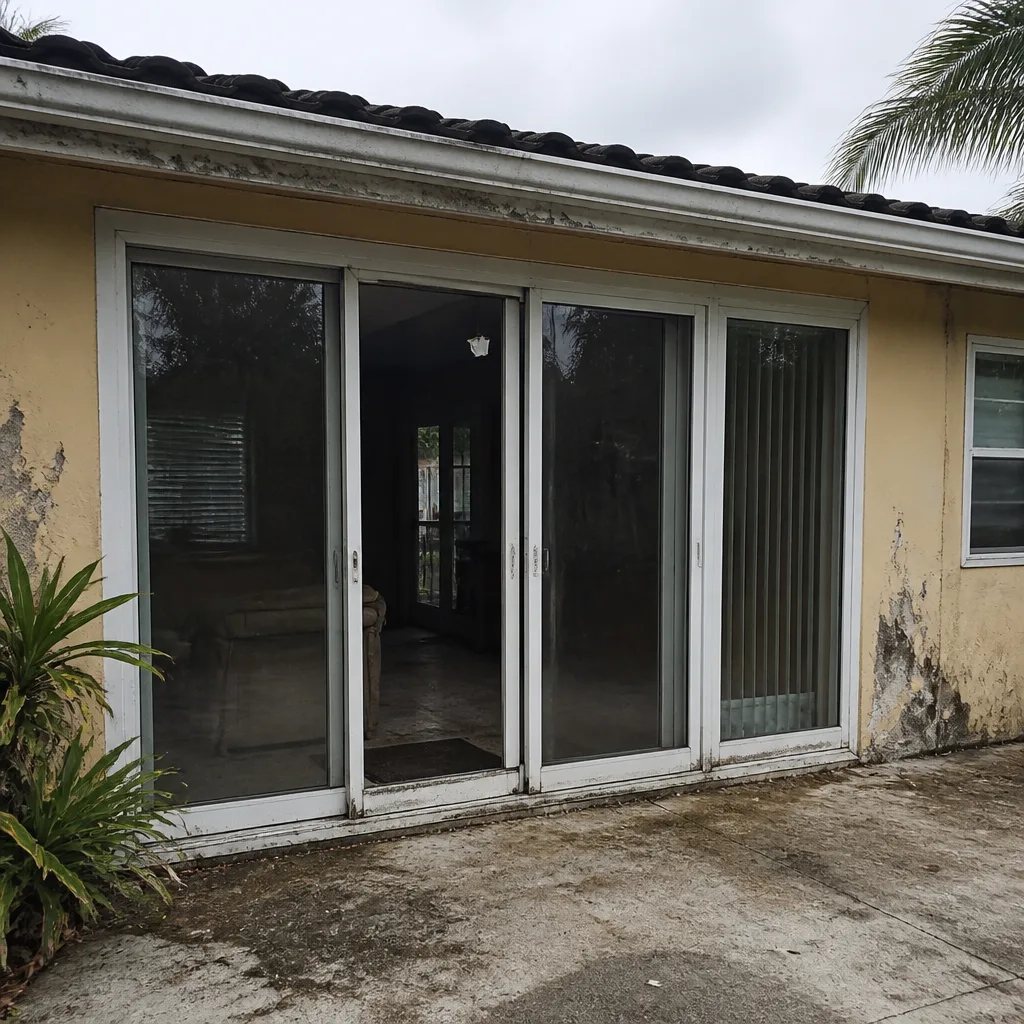 Before
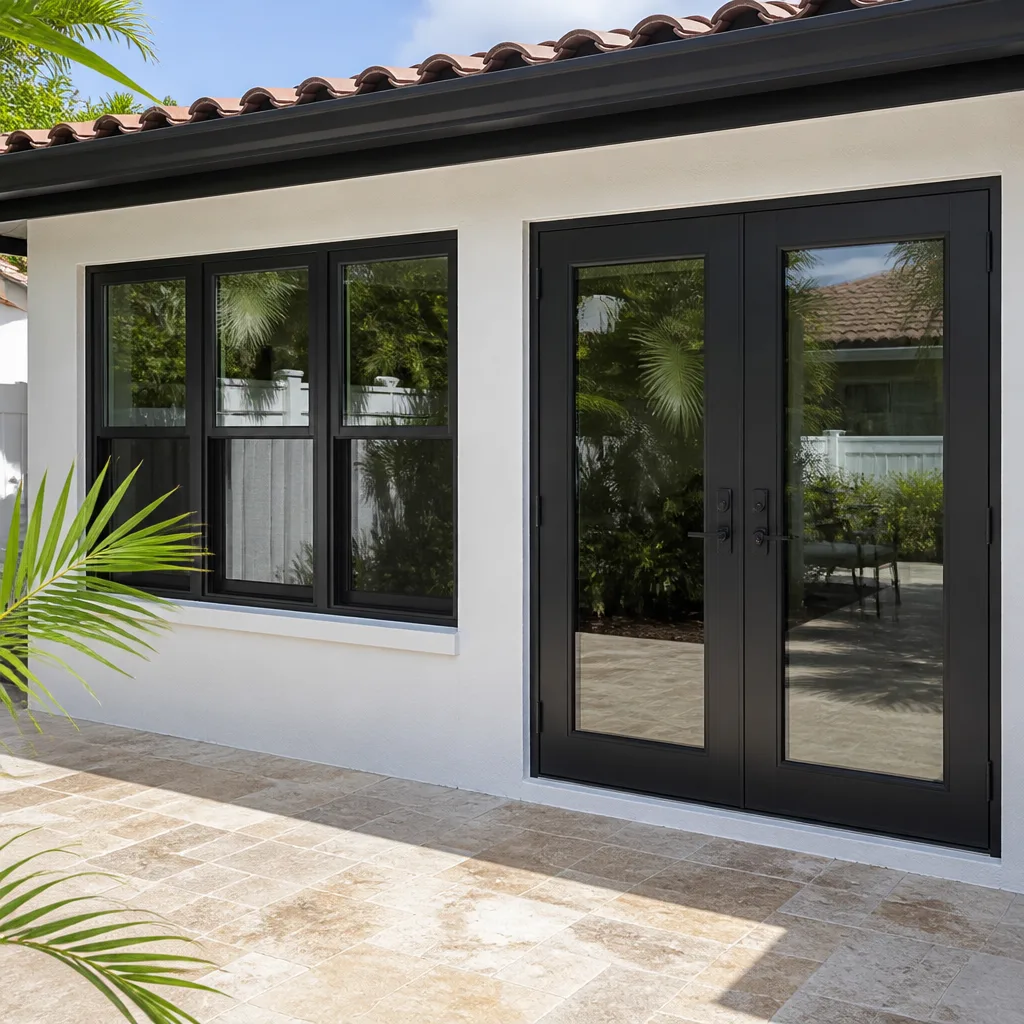 After
After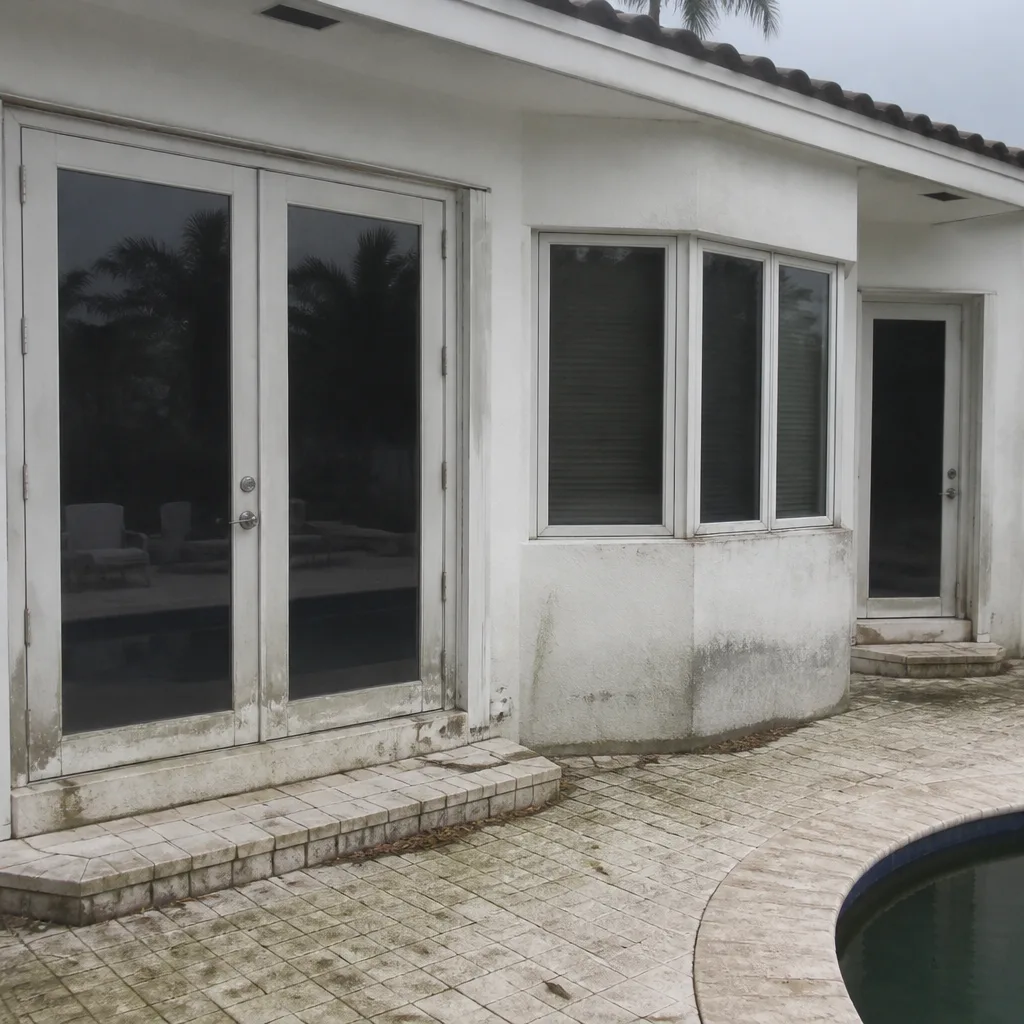 Before
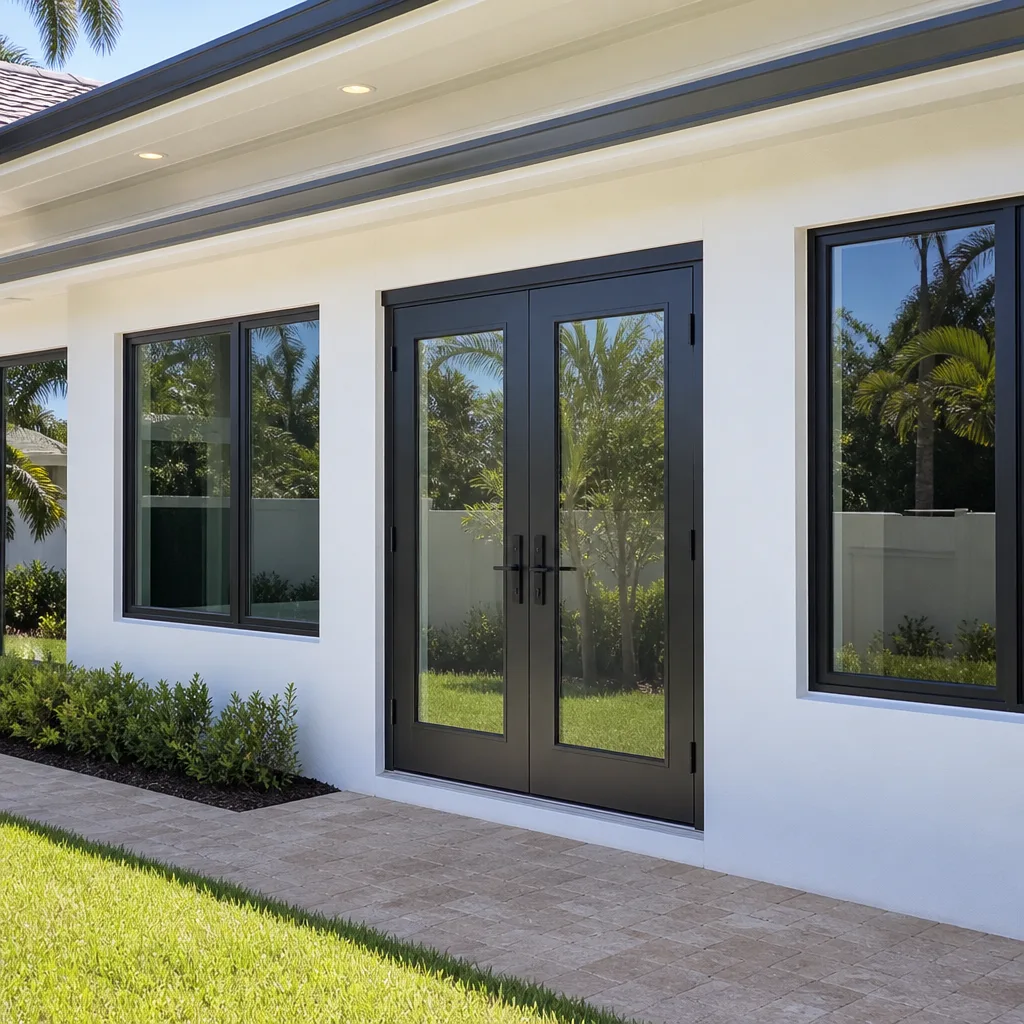 After
After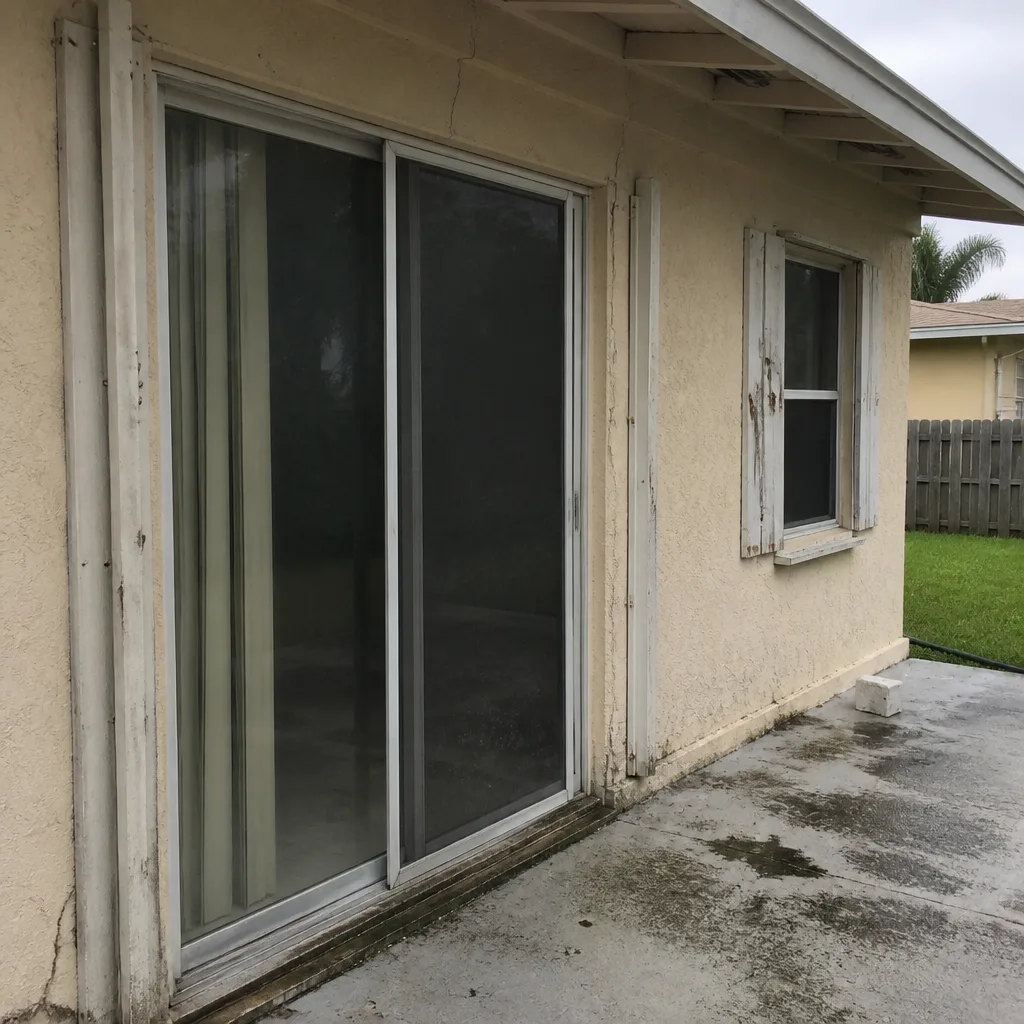 Before
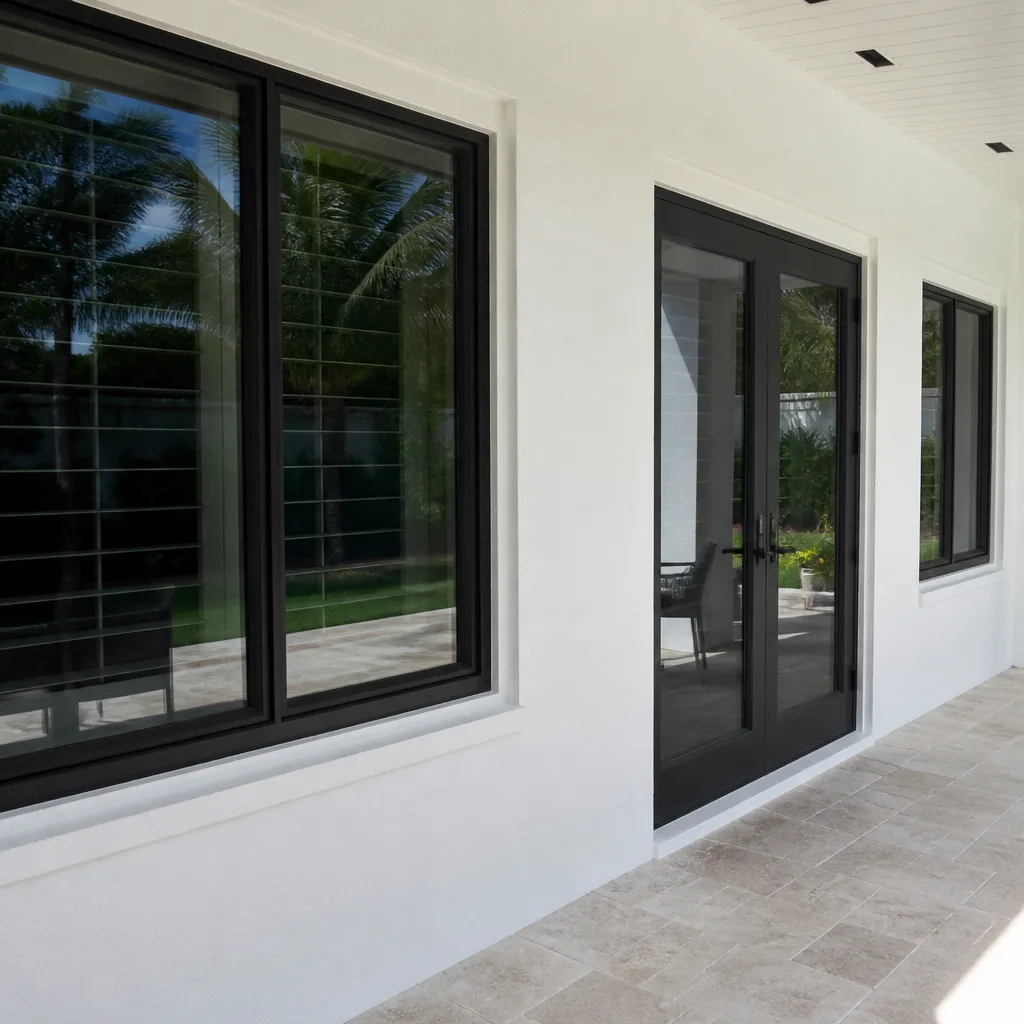 After
AfterSix Reasons Homeowners Choose Lightwell Windows West Palm Beach
Impact systems engineered to design pressures up to +/-100, matched to your wind zone - your openings hold when the storm arrives.
Low-E insulated impact glass from our manufacturer lines commonly cuts monthly cooling bills 20-30%.
Laminated impact glass shuts out up to 40% of outside noise - traffic, neighbors, weather.
Monitoring services run $30-90 a month. Laminated impact glass resists forced entry around the clock, with no subscription.
Florida homeowners average around 25% savings on the windstorm portion of their policy after protecting every opening - some homes qualify for more.
A full impact package upgrades curb appeal, buyer confidence and appraised value in one project.