
Last updated October 17, 2026
 Sliding glass doors
 Single hung
 Double hung
 Horizontal roller
 Casement
 Bay & bow
 Entry doors
 Impact garage doors
 PGT
PGT CGI
CGIFree in-home measure and quote - PGT, CGI and CWS impact lines compared on your actual openings, style by style
Get your free estimateSeasonal Windows & Doors Care for West Palm Beach: Year-Round Homeowner’s Guide
Most homeowners in West Palm Beach clean their windows in winter when visibility is best and ignore them through summer, which is precisely backwards. The wet season’s combination of humidity, wind-driven rain, and salt spray is when sealants fail, weep holes clog, and hardware corrodes fastest. This guide walks you through a full year of window and door care built around the two seasons that actually matter here: the wet season from May through October and the dry season from November through April. You’ll learn what to check each month, what you can handle yourself in under an hour, and what genuinely needs a professional’s eyes. By the end, you’ll have a simple maintenance rhythm that protects your home in West Palm Beach from the inside out.
Styles & brands we work with
Quick Answer
Seasonal window and door care in West Palm Beach means doing specific maintenance tasks twice a year: a pre-wet-season prep in May that focuses on clearing weep holes, checking sealants, and lubricating hardware, and a dry-season refresh in November that removes salt residue and adjusts door closers before the cooler months. In between, the real work is monthly checks after storms and a simple written log that tracks everything from product names to maintenance dates. Most tasks take under an hour and cost less than $50 in basic supplies; the expensive problems come from skipping them.
Table of Contents
- Why West Palm Beach Has Two Seasons, Not Four
- Your Year-Round Maintenance Calendar
- May: The Pre-Wet-Season Prep That Prevents Most Water Intrusion
- July Through September: What to Check After Each Named Storm
- November: Salt Removal and Dry-Season Reset
- February: The Dry-Season Hardware Check
- Keeping a Window and Door Maintenance Log
- Common Mistakes to Avoid
- When to Call a Professional
- Frequently Asked Questions
- The Bottom Line
Why West Palm Beach Has Two Seasons, Not Four
Forget the four-season calendar. West Palm Beach runs on two rhythms: the wet season from May through October and the dry season from November through April. Each one attacks your windows and doors in a completely different way, which means your maintenance schedule should pivot with them, not with the dates on a generic home-care checklist written for houses in Ohio.
During the wet season, the air sits at 70 to 80 percent humidity most days, and afternoon thunderstorms roll through with wind-driven rain that hits your windows and doors horizontally, not vertically. Water gets pushed into places gravity alone would never carry it. Sealants that look fine in March can start failing by August because the constant moisture keeps them soft and the wind flexes them. Weep holes, the small drainage channels at the bottom of window and door frames, clog with wind-blown debris and then hold water inside the track, which breeds mildew and corrodes hardware. Salt from the Atlantic rides in on the same wind, settling invisibly on aluminum and vinyl surfaces.
The dry season sounds easier, and in some ways it is, but it has its own hazards. Lower humidity means hardware that swelled during the wet months contracts back down, leaving screws and fasteners looser than they were. Salt residue left from summer sits on frames and bakes in the sun, where it etches into finishes over time. And the cooler, clearer winter air gives you the best natural light for spotting problems you missed while the windows were streaked with summer rain.
This is also the season when most people finally notice their windows need attention, because the evening light hits the glass at a lower angle and reveals scratches, film, and seal failures. That’s not a coincidence. It’s the same reason we schedule most window replacement in West Palm Beach consultations between November and February, when homeowners can actually see the condition of their glass.
Your Year-Round Maintenance Calendar
Here’s the entire year at a glance. Each task is explained in detail in the sections below. This calendar assumes you’re doing the work yourself where noted and calling in a professional where the task specifies it.
| Month | Task | Time | DIY or Pro |
|---|---|---|---|
| May | Clear weep holes, touch up exterior sealant, lubricate shutter hardware | 2 hours | DIY |
| June | Check weatherstripping on all exterior doors | 30 minutes | DIY |
| July – September | Post-storm inspections: frame stress marks vs. sealant separation | 15 minutes per storm | DIY, then pro if flagged |
| October | Deep clean window tracks and door thresholds | 1 hour | DIY |
| November | Remove salt residue with 1:10 white vinegar solution, rinse thoroughly | 2 hours | DIY |
| December – January | Inspect glass for seal failure; photograph for records | 45 minutes | DIY |
| February | Adjust door closer tension, lubricate multi-point locks, inspect glazing beads | 1.5 hours | DIY with pro backup |
| March – April | Review maintenance log; schedule any pro repairs before wet season | 30 minutes | DIY planning |
If this looks like a lot, it isn’t. The total do-it-yourself time across the entire year is roughly eight hours, which is less than one Saturday afternoon per season. The payoff is avoiding the water intrusion, hardware failure, and finish damage that cost West Palm Beach homeowners thousands in repairs, especially when hurricane-season claims get denied because maintenance was documented poorly or not at all.
May: The Pre-Wet-Season Prep That Prevents Most Water Intrusion
The single most important maintenance window of the year in West Palm Beach is May, the month before the wet season settles in. The tasks take under two hours, require about $30 in supplies from any hardware store, and prevent the majority of water intrusion issues we see all summer. Here’s the exact sequence, in order:
- Clear every weep hole on every window and sliding door. Weep holes are the small rectangular or round openings along the bottom exterior edge of the frame. In West Palm Beach, they clog with oak pollen, construction dust, and wind-blown sand faster than most manufacturers expect. Use a straightened paper clip or a can of compressed air. If water can’t drain, it pools inside the track and wicks into the wall. In neighborhoods like Flamingo Park and El Cid, where many homes have original or early-generation impact frames, clogged weep holes are the number one preventable cause of interior water staining.
- Touch up exterior sealant around every window and door perimeter. Look for hairline cracks, shrinkage, or areas where the bead has pulled away from the masonry or stucco. A tube of paintable, exterior-grade, elastomeric sealant runs about $12 and fills gaps up to a quarter inch. Don’t caulk the weep holes shut while you’re at it; that’s the most common mistake we see homeowners make.
- Lubricate accordion and roll-down shutter hardware. If you have hurricane shutters, May is the time to make sure they’ll actually operate when you need them. Use a silicone-based lubricant on all tracks, hinges, and locking pins. A stuck shutter in August is a panic situation; a lubricated one is a forty-second job.
- Check weatherstripping on every exterior door. Run your hand along the bottom, top, and latch-side edges with the door closed. If you can feel airflow or see daylight, the weatherstripping needs replacement. Worn weatherstripping in West Palm Beach means more than a draft; it means wind-driven rain has a direct path through your door frame.
- Test every locking mechanism, including multi-point locks on impact doors. Turn the handle, throw the deadbolt, engage every point. If it binds, grinds, or doesn’t engage fully, address it now rather than discovering it during a storm warning.
The cost of this prep averages around $30 and under two hours. The cost of a single unsealed window flange leaking into drywall through a summer of afternoon thunderstorms runs into the hundreds, sometimes thousands, once you factor in drywall repair, mold remediation, and repainting. If you’d rather have a professional handle the pre-wet-season check, Lightwell Windows West Palm Beach includes every one of these items in our inspection visits, and you’ll get a written report with photos so you have a record for your maintenance log. Call (728) 203-1160 to schedule a free estimate.
July Through September: What to Check After Each Named Storm
Every time a named storm passes near West Palm Beach, even if it only brings feeder bands, your windows and doors deserve a fifteen-minute walk-around. The goal is to catch small problems before they become big ones, and to document everything for insurance purposes if a claim ever becomes necessary.
The most important distinction to understand is the difference between cosmetic frame stress marks and structural sealant separation. They look similar at first glance, and confusing the two is how homeowners either panic unnecessarily or ignore a genuine problem.
Cosmetic stress marks are superficial. They show up as fine lines in the paint or powder coating on aluminum frames, usually near corners or fastening points. High winds cause the frame to flex slightly, and the finish flexes with it, leaving a hairline mark. These are normal after a storm, especially on larger window spans. You can photograph them for your log, but they require no immediate action.
Structural sealant separation is different. Look at the joint where the window or door frame meets the wall. If you see a visible gap between the sealant bead and the stucco, brick, or wood, that’s separation. If you can slip a credit card edge into the gap, water will find its way in during the next storm. Small separations can sometimes be re-caulked and tooled smooth. Separations longer than a few feet, or any gap that lets you see raw wall sheathing, need a professional assessment. This is not a place to experiment with DIY fixes, because improperly re-sealed joints fail faster than the original installation.
After each storm, also check:
- Glass for new cracks or chips. Wind-borne debris can strike glass without immediately shattering it. A small chip becomes a crack under thermal stress, and impact-rated glass is expensive to replace.
- Interior walls below windows for dampness or discoloration. Run your hand along the drywall under each window. Even slight coolness or a faint musty smell signals moisture behind the surface.
- Door alignment. High winds can shift a door frame by a fraction of an inch, which is enough to change how the latch engages. If a door that closed smoothly in June now sticks or rattles, note it in your log.
- Screens for tears and frame bends. Torn screens aren’t just cosmetic; they let insects in during the wet season and reduce ventilation if you like to open windows on dry evenings.
For residents in coastal communities like Ibis, Bay Hill Estates, or anywhere east of I-95, salt spray during storms accelerates corrosion on exposed hardware. Make a habit of wiping down handles, hinges, and locking points with a damp cloth after any storm with significant wind, then drying them thoroughly. A quick wipe takes two minutes and doubles the life of the hardware.
If a post-storm inspection reveals anything that concerns you, document it with photos from multiple angles and call a professional. We’ve helped many West Palm Beach homeowners determine whether what they were seeing was cosmetic or structural, and the answer usually isn’t obvious from a description over the phone. Window installation in West Palm Beach done correctly should survive storms without structural movement; if you’re seeing repeated sealant separation after mild storms, the installation itself may need re-evaluation.
November: Salt Removal and Dry-Season Reset
By the time November arrives in West Palm Beach, your window and door frames have spent six months collecting salt. It came in with the summer winds, settled invisibly on aluminum and vinyl surfaces, and then sat there through the season’s humidity. If you leave it, the dry-season sun bakes it into the finish, where it causes pitting and oxidation that no amount of later cleaning reverses.
The fix is simple and costs about the same as a coffee. Here’s the exact process:
- Mix the cleaning solution. Use 1 part white vinegar to 10 parts water, in other words, one cup of white vinegar per ten cups of water. That’s the dilution ratio that removes salt residue without harming powder-coated aluminum or vinyl finishes. Anything stronger risks dulling the finish.
- Use a soft sponge or microfiber cloth. Never use abrasive scrubbers, steel wool, or scouring pads on window or door frames. They score the surface and create places for salt and moisture to collect.
- Work from top to bottom on each frame. Start at the header and work down the sides to the sill. This prevents dirty water from running over already-cleaned surfaces.
- Rinse thoroughly with clean water. Any vinegar solution left on the frame will dry into a film that attracts dust. Rinse the entire frame, then wipe it dry with a fresh cloth.
- Pay extra attention to hardware. Handles, hinges, locking points, and threshold tracks collect salt faster than flat surfaces. Dry them thoroughly after cleaning, then apply a very thin coat of silicone lubricant to any moving parts.
- Do the same for any exposed metal on exterior doors. Door kick plates, hinges, and weatherstripping channels benefit from the same treatment.
This is also the right time to clean the glass itself properly. Winter light in West Palm Beach is lower and clearer than summer light, which makes streaks, mineral deposits, and hard-water spots much more visible. Use a standard glass cleaner or a water-and-vinegar solution, and a clean, lint-free cloth. Avoid cleaning windows in direct sun, because the solution dries too quickly and leaves residue. Morning hours or overcast days are ideal.
If you have windows that are difficult to reach or you simply don’t want to spend your Saturday rinsing frames, Lightwell Windows West Palm Beach offers maintenance visits that include salt removal, glass cleaning, and a full hardware inspection. You’ll receive a written price before we start, and the crew will leave your floors and sills exactly as they found them. Call (728) 203-1160 to schedule.
February: The Dry-Season Hardware Check
February is the dry-season counterpart to May’s wet-season prep. The drier air and cooler temperatures make it the best time of year for hardware adjustments, because metal and seals contract slightly and reveal the looseness and wear that summer humidity masked.
Three specific tasks belong on this checklist:
1. Adjust closer tension on impact doors. If you have a heavy impact-rated exterior door, it has a hydraulic closer at the top. Over time, especially after a season of temperature swings, the closer loses its proper tension. A door that slams shut is dangerous for kids’ fingers and hard on the frame. A door that drifts shut too slowly lets cooled air escape and bugs in. Most closers have an adjustment screw on the body that controls speed; a quarter-turn in the right direction restores proper closing action. If you’re not comfortable adjusting it yourself, this is a five-minute job for a technician, and it protects both the door and your family.
2. Lubricate multi-point lock mechanisms. Multi-point locks, which engage bolts at the top, middle, and bottom of the door, are standard on quality impact doors in West Palm Beach. They rely on a system of rods and gears inside the door panel. If they bind or grind when you turn the handle, don’t force them. A silicone spray lubricant applied through the lock channel and moving parts typically resolves it. If the mechanism still binds after lubrication, the internals may be misaligned, and that needs professional attention before it fails completely. For doors with multi-point locks we’ve installed through our door installation service in West Palm Beach, binding ususally indicates a settling issue rather than a defect.
3. Inspect glazing bead seals. The glazing bead is the strip that holds the glass panel into the frame. On many windows, it’s a removable vinyl or rubber gasket. In February’s dry air, these gaskets may show gaps or shrinkage that weren’t visible during the wet season. Run your finger along the inside perimeter of the glass, feeling for gaps, looseness, or areas where the bead has pulled away. A loose glazing bead lets air and moisture reach the insulated-glass seal, which shortens the window’s life.
February is also a good time to revisit your Lightwell Windows West Palm Beach home page if you’ve been considering replacement rather than repair. By this point in the year, you’ve spent one full wet season and most of one dry season with your current windows and doors, which means you have a complete picture of how they handle both seasons. That’s the best possible information to bring to a replacement consultation.
Keeping a Window and Door Maintenance Log
A maintenance log might be the most valuable tool in this entire guide, and the one most homeowners skip. Here’s what it does for you: after a storm damages your home, your insurance adjuster asks when the windows were last maintained. If you can answer with specific dates and actions, documented in writing, your claim moves faster and faces less resistance. If you can’t, the adjuster may argue that damage resulted from neglected maintenance, not the storm. A log also helps with future wind-mitigation inspections, which can lower your homeowner’s insurance premium, and it tells any contractor who works on your home exactly what products are installed and when they went in.
You don’t need a fancy system. A simple notebook works, or a spreadsheet, or a note on your phone. What matters is that you capture:
- Product names and manufacturers. If your windows are PGT or CGI, write that down, including the specific series if you know it. If your doors are Therma-Tru or from CWS, record it. The brand and series determine the maintenance requirements and replacement parts.
- Installation dates. Whether you just moved in or replaced a single window three years ago, note when each product was installed. Manufacturers’ warranties run from installation date, and having that date documented for each opening matters.
- Every maintenance action you take. Each time you clear weep holes, re-caulk, lubricate hardware, remove salt, or adjust a closer, note the date and what you did.
- Photos. Before and after photos of any repair or replacement, plus photos of storm-related condition checks. A photo of your window frames looking clean and well-sealed in May carries more weight than a written description.
- Any professional service performed. If a technician inspects, repairs, or replaces anything, ask for a written report with photos, and file it in the same place.
Here’s a minimal example for one entry: February 14, 2026: Adjusted closer tension on front impact door (PGT, installed March 2019). Lubricated multi-point lock. Glazing beads intact, no gaps. Photos attached. That entry takes ninety seconds to write and could save hours of argument during a future claim. If you’d like a professional starting point, Lightwell Windows West Palm Beach provides a printed condition report after every service visit, with product names, observed conditions, and recommended actions. You can keep that as the first page of your log.
Common Mistakes to Avoid
- Cleaning only the glass and ignoring the frame and tracks. In West Palm Beach, a streak-free pane with a gunk-filled track still drains poorly and holds moisture against the frame. Frames and tracks carry the water; glass is just the window dressing.
- Using bleach to clean mold on window frames or sills. Bleach kills surface mold but doesn’t pull it out of the substrate, and it can degrade vinyl and rubber seals. A vinegar-water solution or a dedicated mold cleaner labeled safe for window surfaces is better.
- Caulking weep holes shut. This happens constantly, often by well-meaning homeowners who think they’re sealing out rain. You’re actually sealing water in. Weep holes exist for a reason; keep them clear.
- Painting over corroded aluminum without treating the corrosion first. New paint over active oxidation looks good for about one season in South Florida, then the corrosion bubbles through. Neutralize the corrosion with the vinegar solution, rinse, dry, and prime before painting.
- Lubricating sliding door tracks with oil-based lubricants. Oil attracts dust and sand, which grinds the track down faster. Silicone spray only.
- Skipping the post-storm walk-around because everything “looked fine from inside.” Wind damage to exterior sealants and frame joints is often invisible from indoors. The fifteen minutes after a storm is cheap insurance.
- Deferring maintenance because “the windows are impact-rated and don’t need it.” Impact-rated products protect against wind-borne debris, not against water intrusion, salt corrosion, or hardware wear. They’re tougher, but they still need seasonal care.
When to Call a Professional
Some tasks belong in a professional’s hands, and knowing the line is part of protecting your home. Call a professional if you find structural sealant separation that runs more than a few feet along a window or door perimeter, if a multi-point lock mechanism fails to engage after lubrication, if you see water staining on interior walls or ceilings below windows after a storm, if glass has cracks or chips that are spreading, or if a door or window no longer opens and closes smoothly after a season of settling. High-tension hardware on impact doors, including closers and multi-point mechanisms, carries enough stored force to cause injury if disassembled improperly, so leave internal repairs to a trained technician. Lightwell Windows West Palm Beach offers free estimates in West Palm Beach; call (728) 203-1160 and describe what you’re seeing, and we’ll give you an honest read on whether it’s urgent before you spend anything.
Frequently Asked Questions
Twice a year is the minimum: once in May before the wet season and once in November when the dry season begins. Each full session takes about two hours and covers weep hole clearing, sealant checks, hardware lubrication, and salt removal. Monthly storm checks add fifteen minutes each during the summer. If you live east of I-95 or within a mile of the Intracoastal, salt accumulates faster and you may want to add a mid-summer rinse for exposed frames. Call (728) 203-1160 if you’d prefer to have a professional handle any of this rather than doing it yourself.
Professional maintenance inspections and basic service visits in West Palm Beach typically run between $150 and $350 depending on how many windows and doors you have and what needs attention. Sealant re-caulking, hardware replacement, and more involved repairs increase the total, but Lightwell Windows West Palm Beach always provides a written price before any work starts, so there’s no guesswork. If the problem turns out to require replacement rather than repair, the window replacement cost in West Palm Beach depends on size, material, and impact requirements. Call (728) 203-1160 for an exact quote based on your home.
Impact-rated windows and doors from manufacturers like PGT, CGI, and ES Windows are engineered to survive extreme conditions, but they still require the same seasonal maintenance as any quality product. The difference is in the hardware: impact doors with multi-point locks and hydraulic closers need periodic lubrication and tension adjustment, and impact frames with composite reinforcement should be inspected for sealant separation after every significant storm. A well-maintained impact window and door system lasts decades in South Florida; a neglected one develops water intrusion and hardware problems years earlier.
The dry season, roughly November through April, is the most practical window for replacement projects in West Palm Beach. Rain is less frequent, which means fewer schedule interruptions, and the lower humidity makes sealants and adhesives cure faster and more predictably. The cooler air also makes it easier to work without the home becoming uncomfortable while openings are exposed. That said, we install year-round, including through the wet season, because modern installation methods and careful scheduling handle afternoon thunderstorms without compromising the work. If you’re weighing a window installation in West Palm Beach, call (728) 203-1160 to talk through timing for your specific home.
A failed insulated-glass seal shows up as persistent fog, haze, or moisture trapped between the glass panes that you can’t wipe clean from either side. In early stages, you may notice condensation between the panes on humid mornings that clears by afternoon, then returns. Once the seal fails, the insulating gas escapes and the window loses most of its thermal efficiency, though it remains structurally sound. Failed seals are common in older windows throughout West Palm Beach, particularly on western-facing elevations that get maximum sun exposure. Replacement of the glass unit is the only permanent fix.
Condensation on the inside surface of your windows during summer usually means warm, humid outdoor air is meeting your air-conditioned glass. If the condensation is on the outside surface, that’s actually a sign your windows are doing their job; the glass is staying cool enough to condense the outdoor humidity. If condensation forms on the inside surface, it’s typically a ventilation or humidity issue inside the home rather than a window defect. Running exhaust fans, using a dehumidifier, and ensuring your air handler is properly sized all help reduce interior condensation.
The Bottom Line
West Palm Beach gives your windows and doors two distinct challenges every year: six months of wind-driven rain, humidity, and salt, followed by six months of sun, contraction, and the slow baking of everything the wet season left behind. The homeowners who thrive here treat those two seasons as the real maintenance calendar, doing a focused prep in May and a thorough reset in November, with light monthly checks in between. The work is simple, the supplies are cheap, and the logbook you keep will repay you in faster insurance claims and lower stress. If you’d rather hand the whole thing to someone who does this every day, Lightwell Windows West Palm Beach is at (728) 203-1160, and the estimate is free.
Written by Keith Yamada, Owner at Lightwell Windows West Palm Beach, serving West Palm Beach since 2010.
See the difference
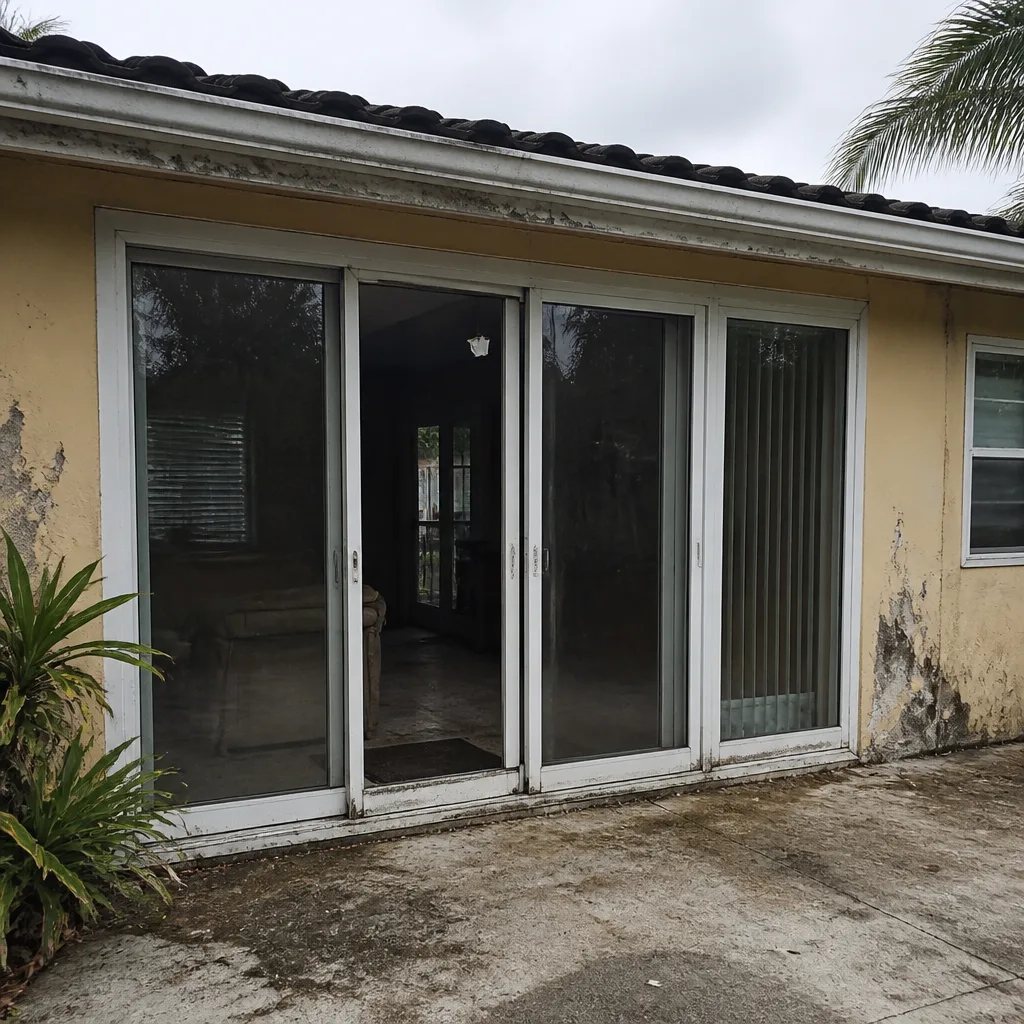 Before
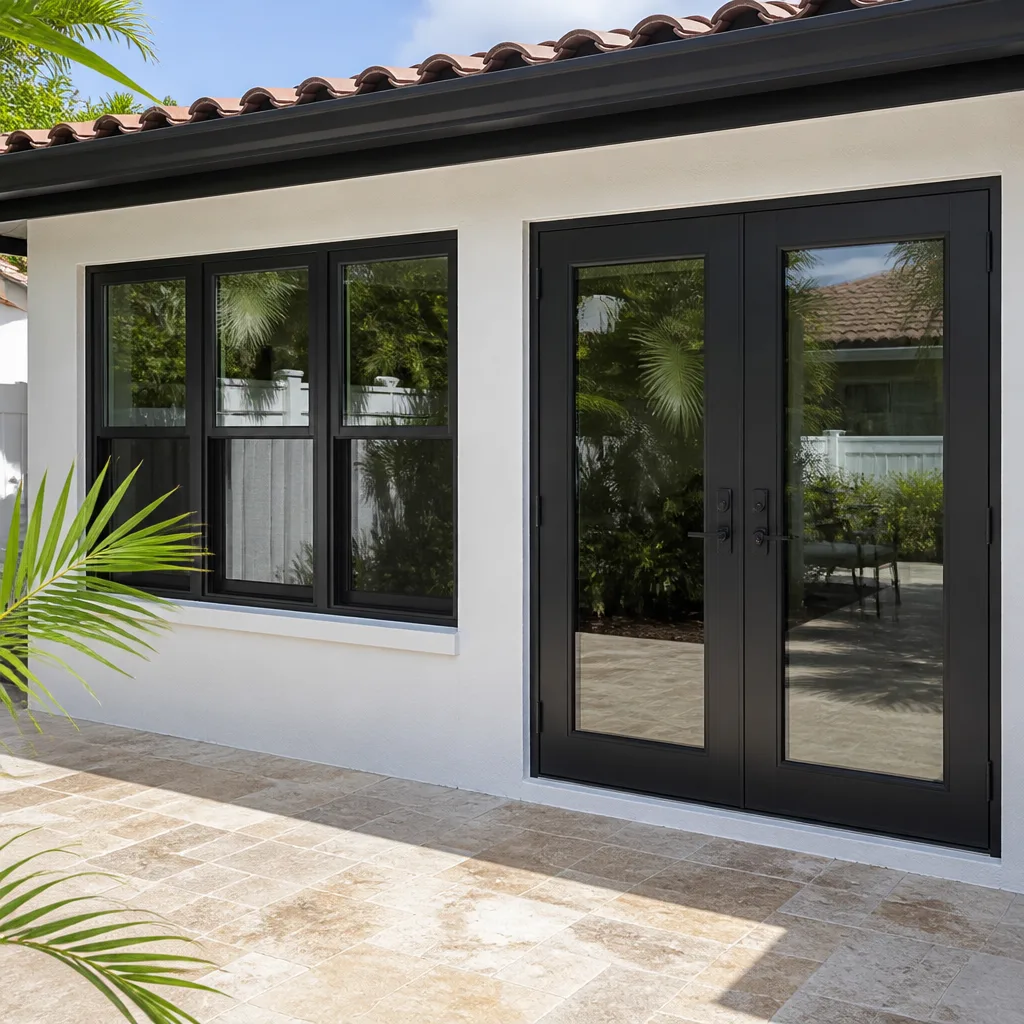 After
After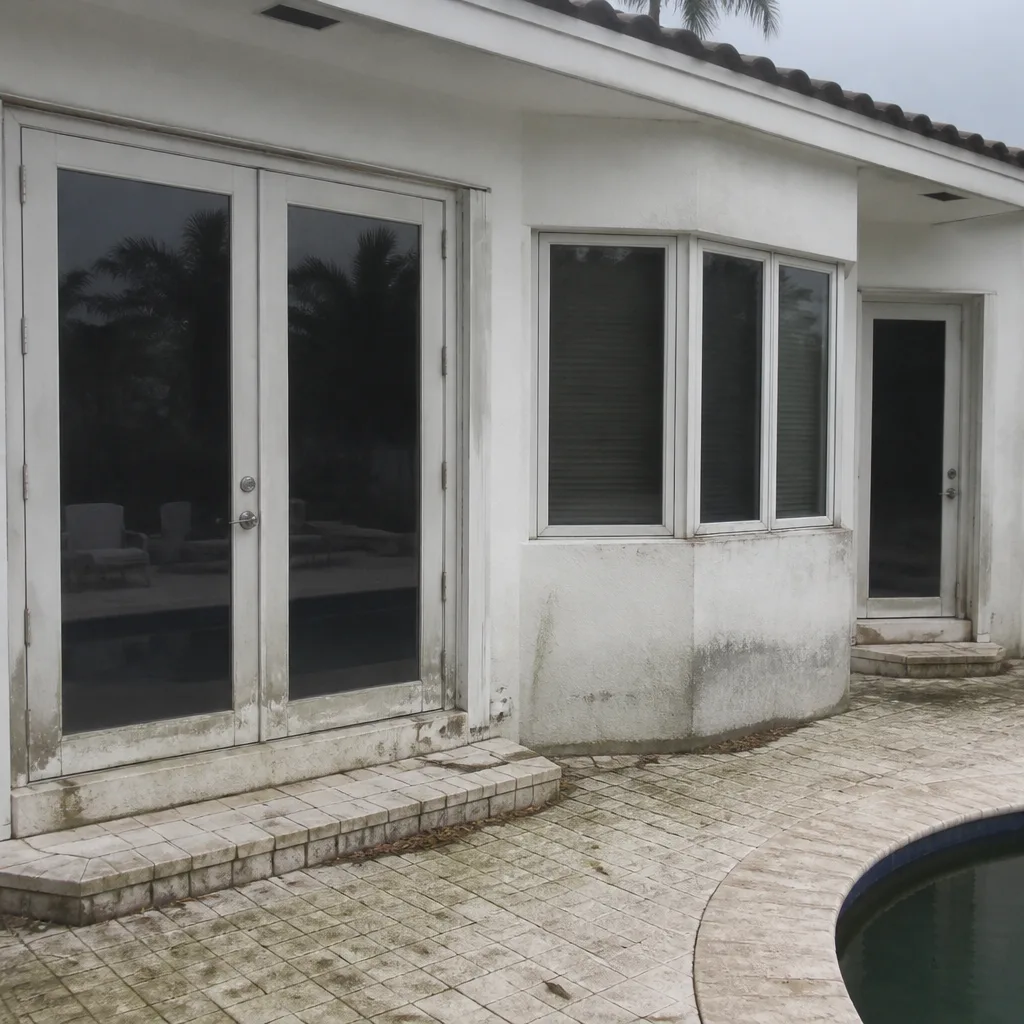 Before
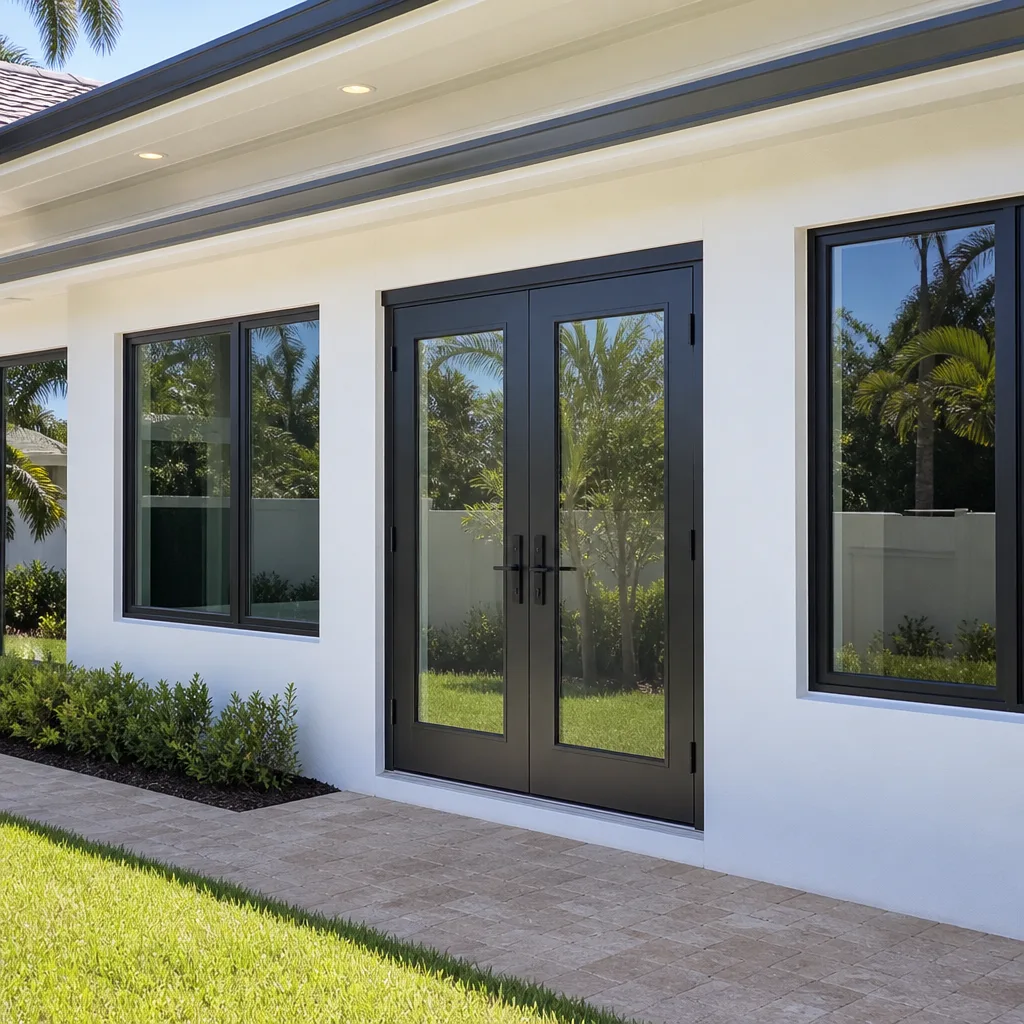 After
After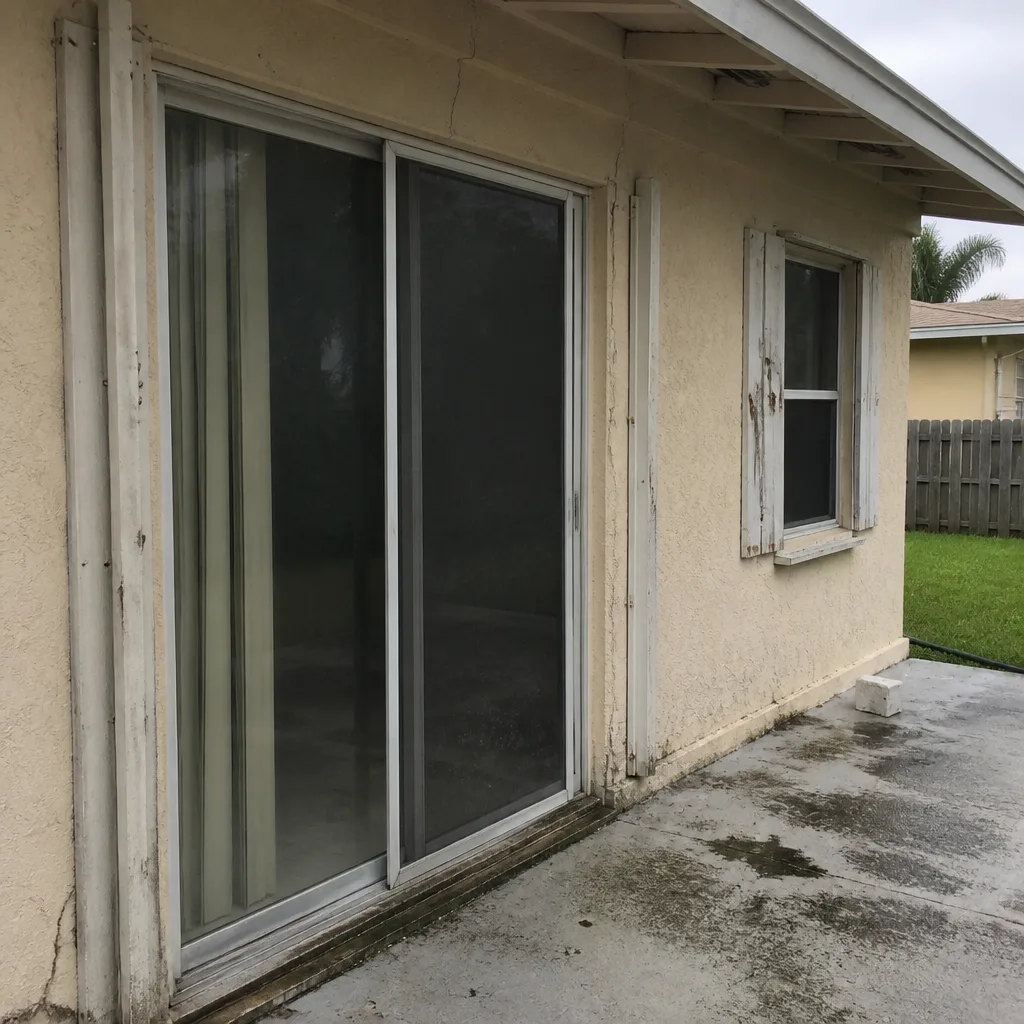 Before
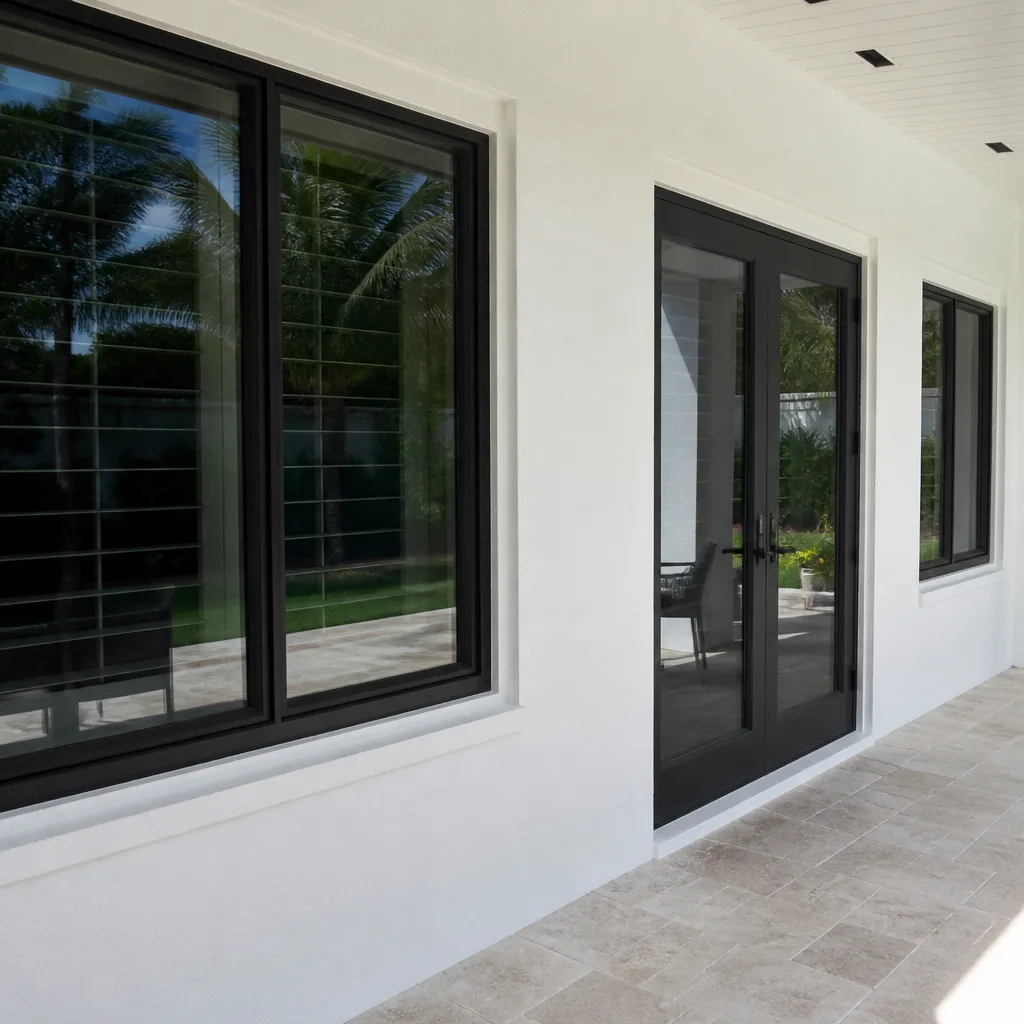 After
AfterSix Reasons Homeowners Choose Lightwell Windows West Palm Beach
Impact systems engineered to design pressures up to +/-100, matched to your wind zone - your openings hold when the storm arrives.
Low-E insulated impact glass from our manufacturer lines commonly cuts monthly cooling bills 20-30%.
Laminated impact glass shuts out up to 40% of outside noise - traffic, neighbors, weather.
Monitoring services run $30-90 a month. Laminated impact glass resists forced entry around the clock, with no subscription.
Florida homeowners average around 25% savings on the windstorm portion of their policy after protecting every opening - some homes qualify for more.
A full impact package upgrades curb appeal, buyer confidence and appraised value in one project.