
Last updated October 17, 2026
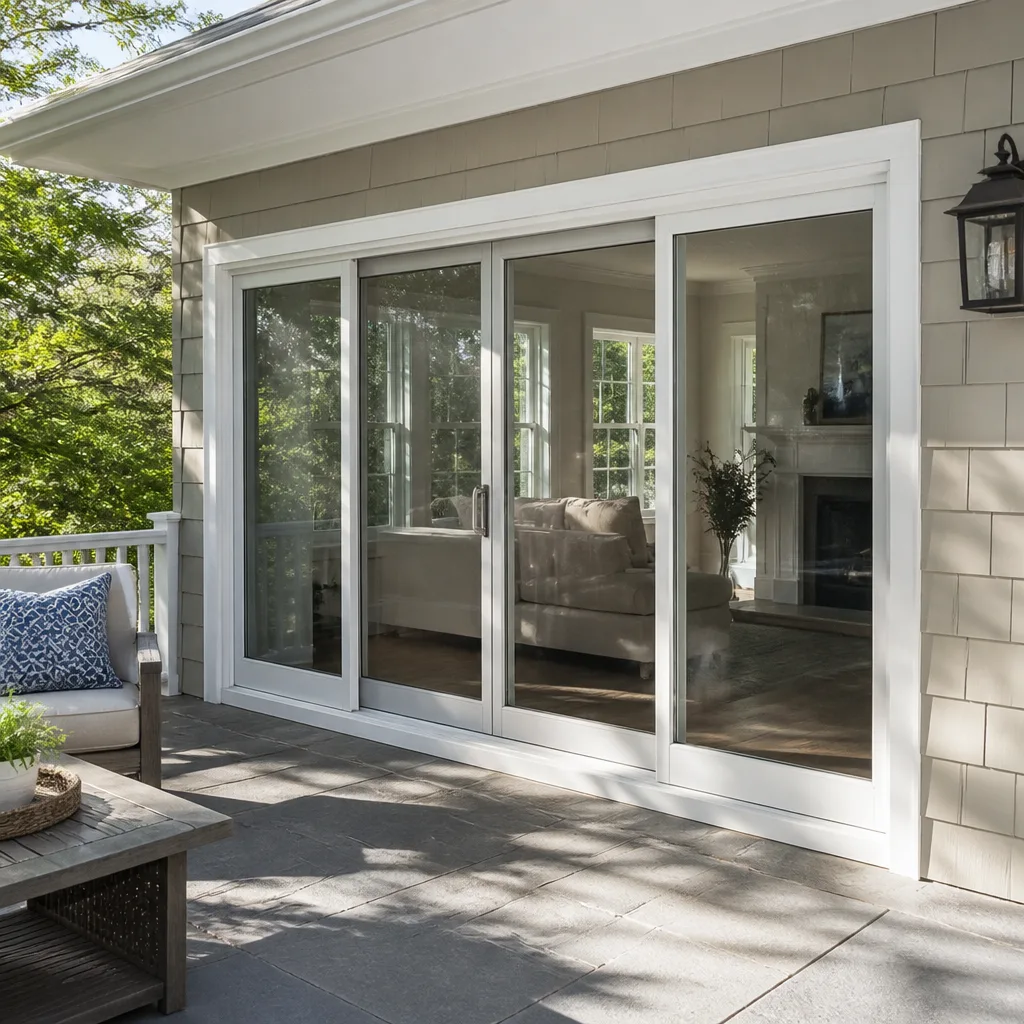 Sliding glass doors
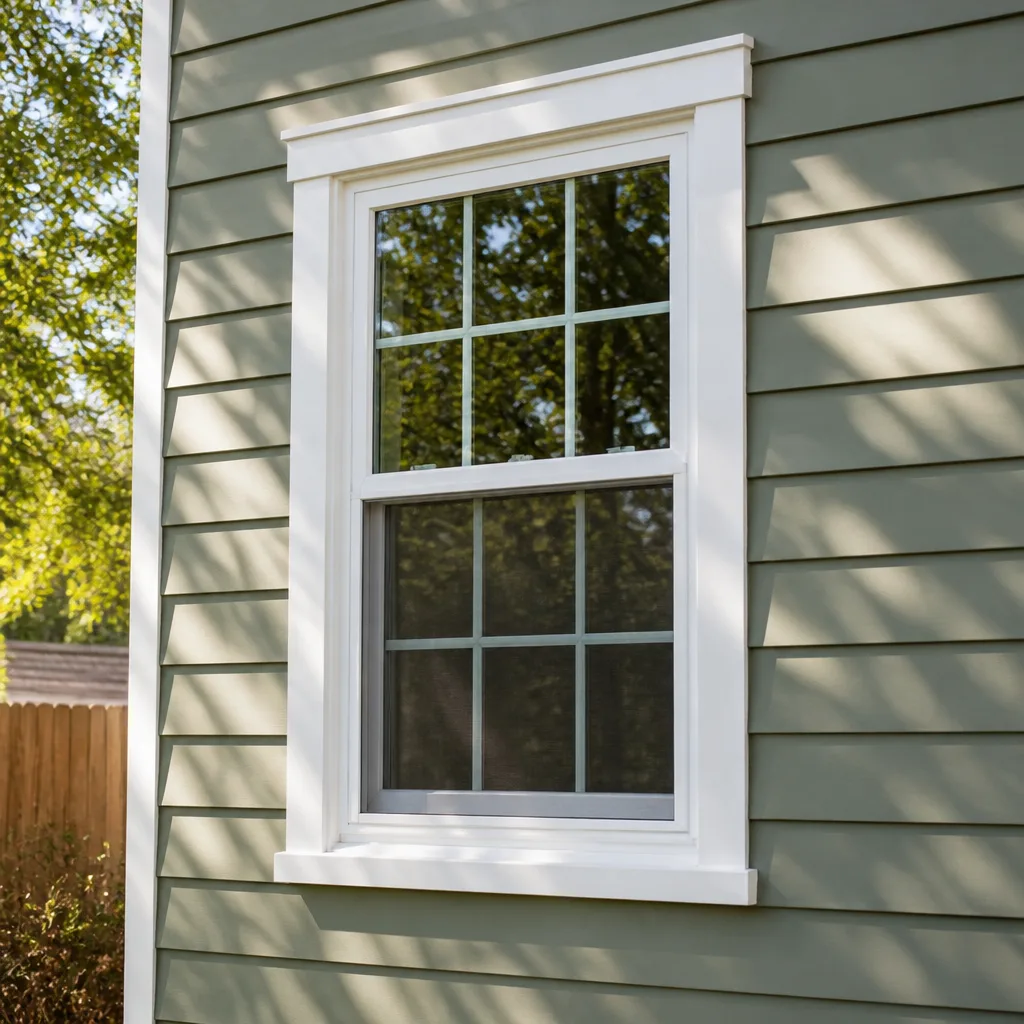 Single hung
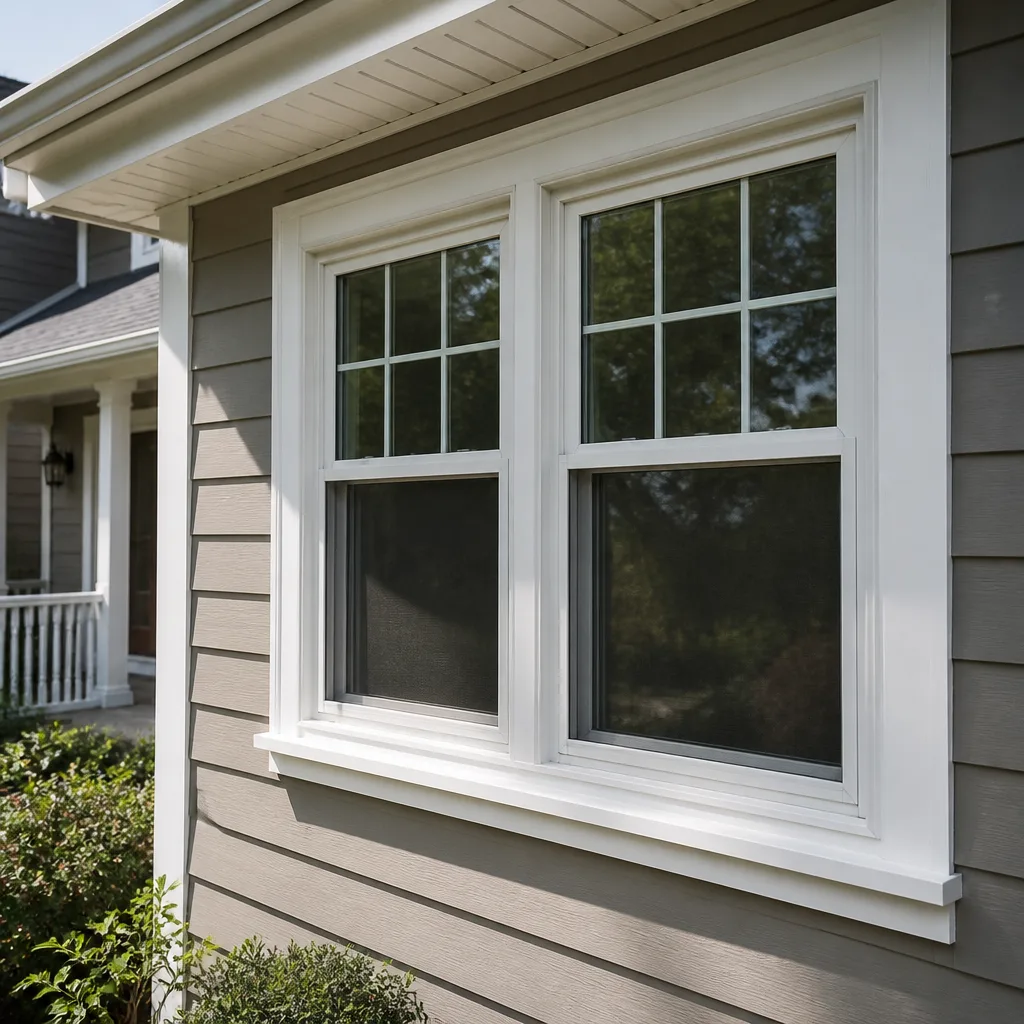 Double hung
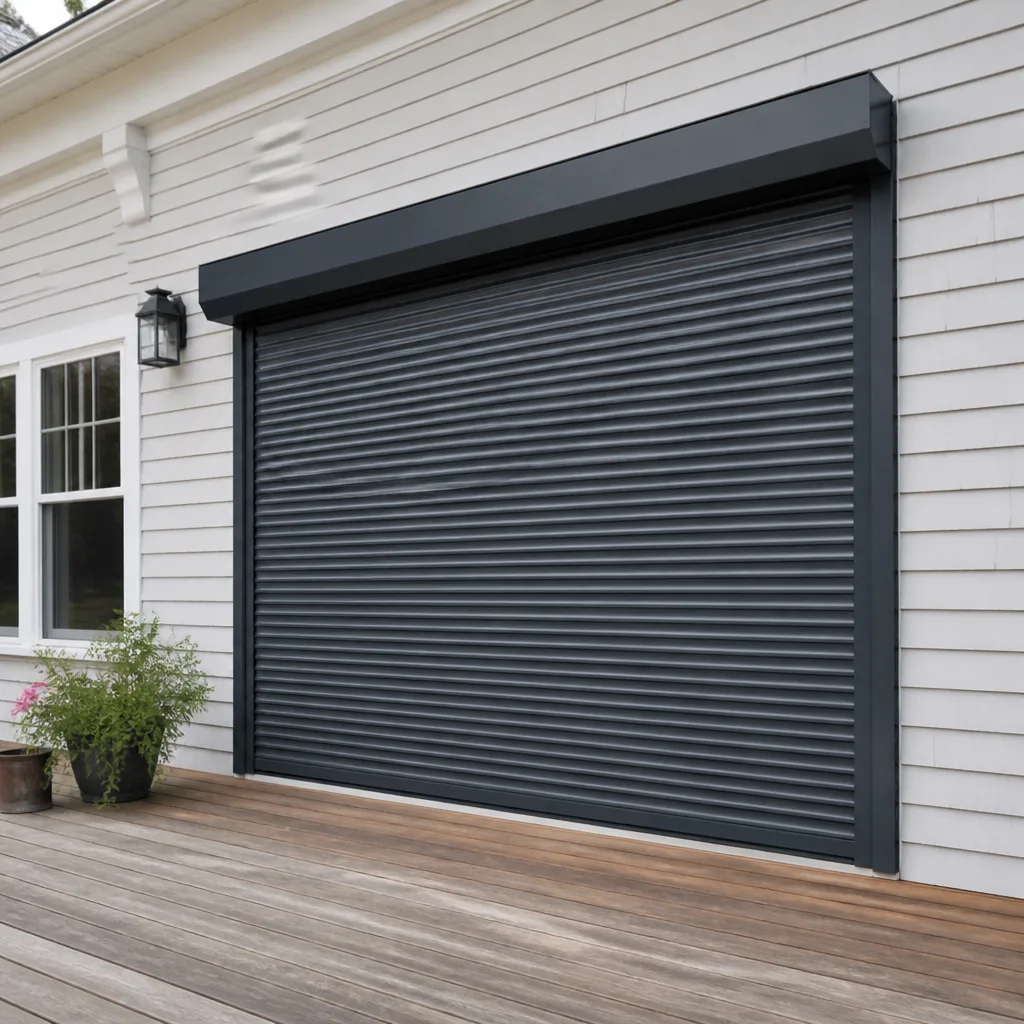 Horizontal roller
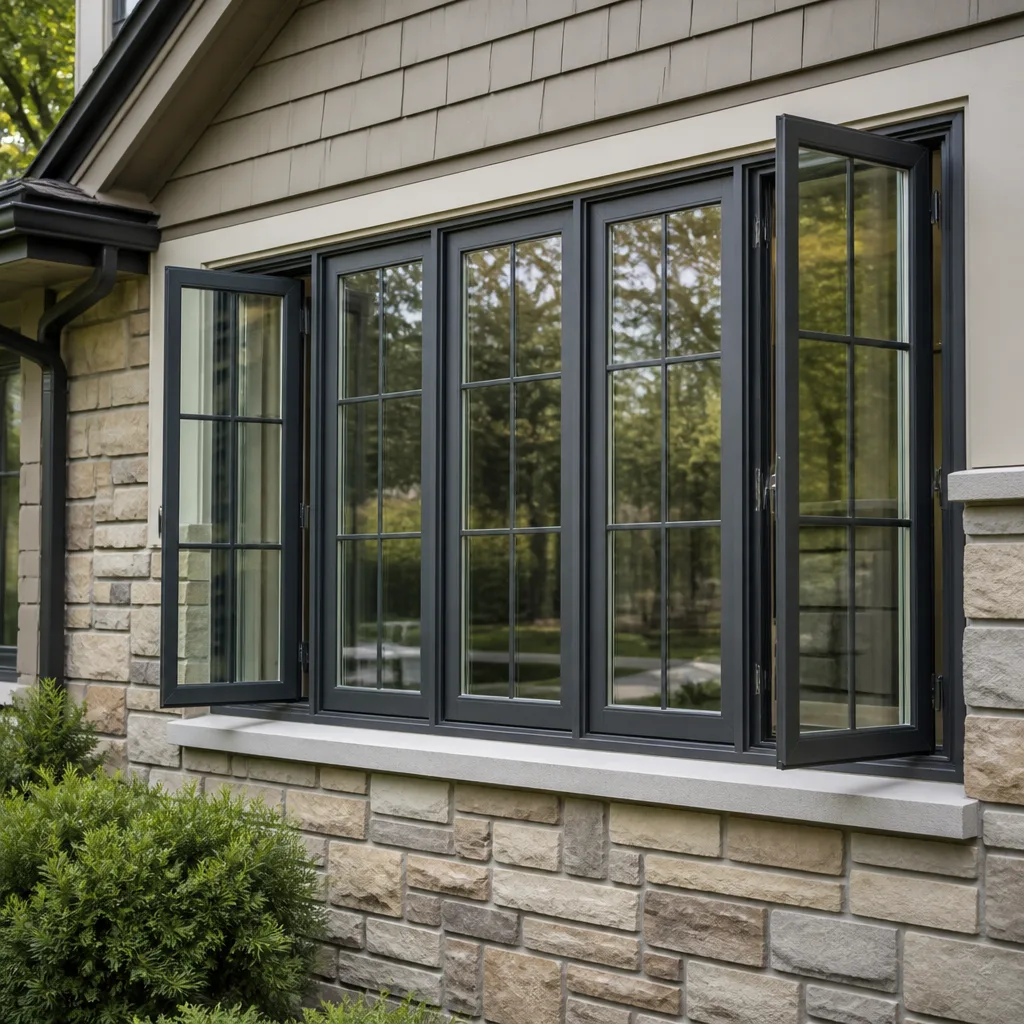 Casement
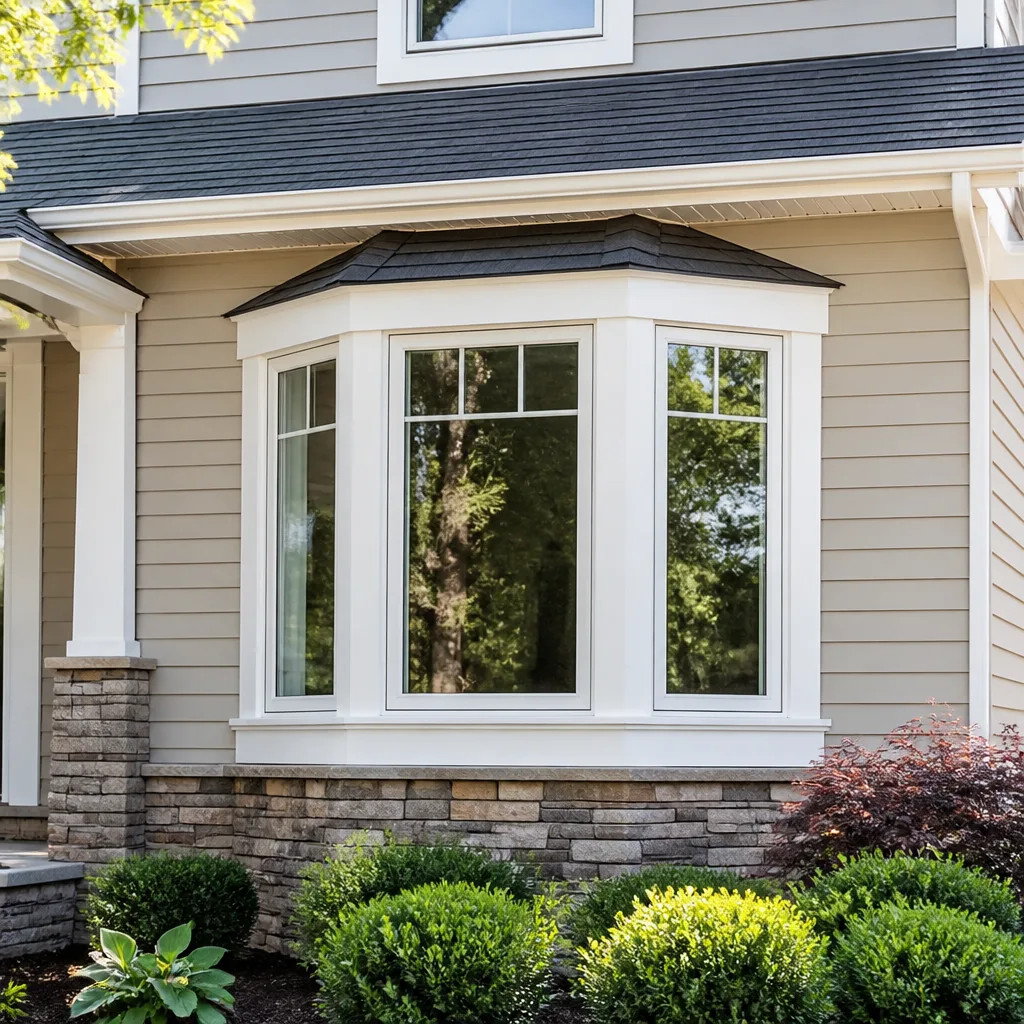 Bay & bow
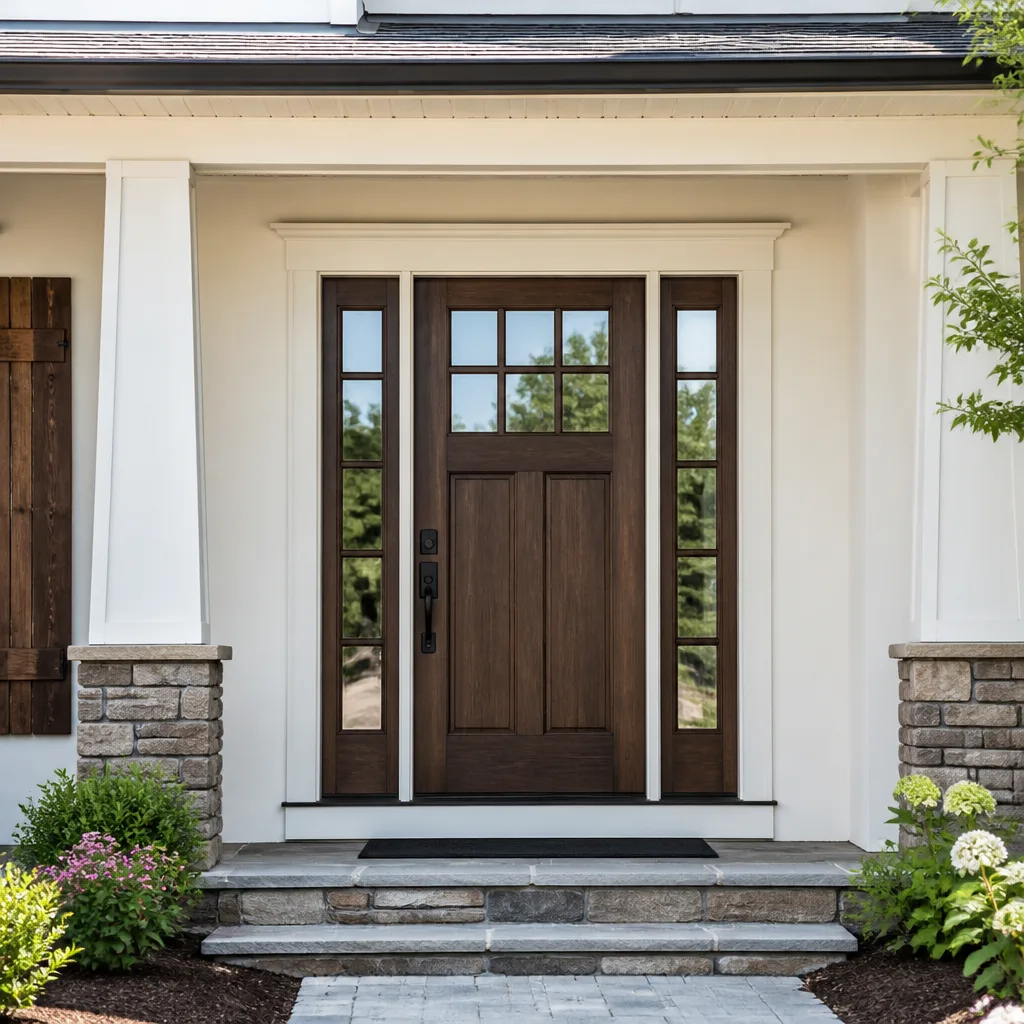 Entry doors
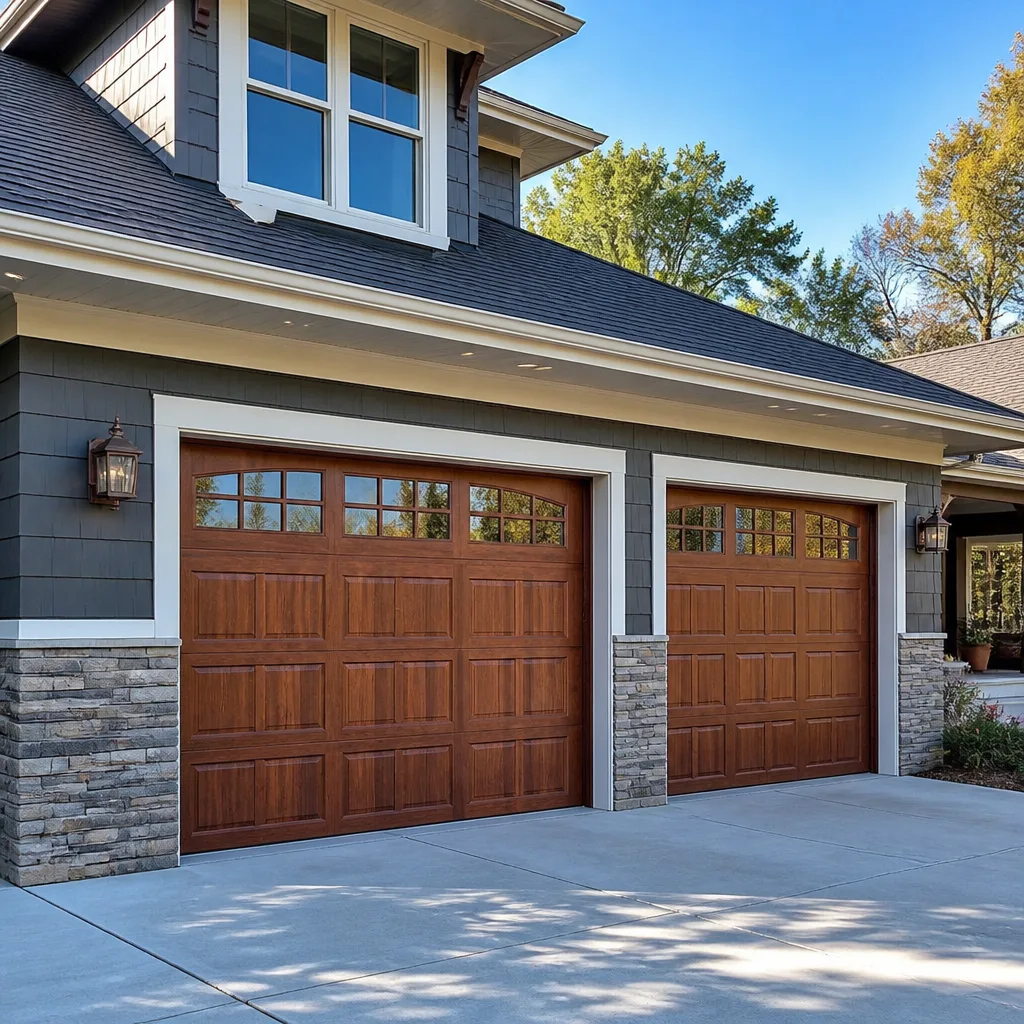 Impact garage doors
 PGT
PGT CGI
CGIFree in-home measure and quote - PGT, CGI and CWS impact lines compared on your actual openings, style by style
Get your free estimateWindows & Doors Permits, Codes & Inspections in FL: What You Need to Know
A window or door is the only part of your home that is simultaneously a structural component, a weather barrier, an escape route, and an insurance asset. In Florida, those four functions are governed by a web of state code, local amendments, and inspection rules that most homeowners only encounter once or twice in a lifetime. The permit is the document that connects all four. Unpermitted window work in Florida doesn’t just fail a home inspection at resale – it can void the wind-mitigation credit on your insurance policy retroactively, meaning you may have been paying for a discount you weren’t legally entitled to. This guide explains exactly what a permit covers, what an inspector checks, and where West Palm Beach homeowners stand under the current code cycle. For more guides & resources, see our blog.
Styles & brands we work with
Quick Answer
In Florida, most window and door replacements require a building permit, an inspection by a licensed local authority, and compliance with the Florida Building Code’s wind-load requirements for your home’s specific location. The permit is what legally records that your new openings meet code, which is what your insurance company uses to confirm your wind-mitigation discount. Our Complete Guide to Windows & Doors in West Palm Beach covers this process in full detail. Work done without a permit can void claims, complicate a future sale, and transfer liability from the installer to the homeowner.
Table of Contents
- Why Permits Exist in Florida: Wind, Water, and the Insurance Connection
- Florida Building Code Section 1609: What Design Pressure Actually Means
- When a Permit Is Required – and What “Like-for-Like” Really Means
- Palm Beach County and West Palm Beach: The Permit Process Step by Step
- What the Inspector Physically Checks at Rough and Final Inspection
- How Your Permit Number Connects to the Wind-Mitigation Form (OIR-B1-1802)
- The Legal and Financial Exposure of Unpermitted Window Work
- Common Mistakes to Avoid
- When to Call a Professional
- Frequently Asked Questions
- The Bottom Line
Why Permits Exist in Florida: Wind, Water, and the Insurance Connection
Florida’s permitting system is not regulatory theater. It exists because Hurricane Andrew flattened entire neighborhoods in 1992 and exposed how much substandard window and door installation had quietly passed for acceptable. The state responded with a uniform building code that treats every exterior opening as a pressure point on the structure itself. A window that fails in a named storm does not just let rain in. It pressurizes the interior of the house, which then lifts the roof deck, which then cascades into total structural failure. Permits create the record that the openings you installed were tested, rated, and installed to withstand the pressures your home’s specific wind zone demands.
For a homeowner in West Palm Beach, this is personal. A property in the El Cid historic district faces different wind-load requirements than a condo on Palm Beach Lakes Boulevard, and both differ from homes in The Acreage or Royal Palm Beach. The permit application forces the installation to be matched to your structure’s exact exposure category and roof height, not to a generic statewide assumption. That specificity is what your insurance underwriter rewards with lower premiums, because it means the risk calculation is based on documentable facts rather than averages.
We recommend homeowners visit our Lightwell Windows West Palm Beach home page for an overview of how window selection ties into Florida’s code landscape before diving into permit specifics.
Florida Building Code Section 1609: What Design Pressure Actually Means
Every Florida window permit application asks for a design pressure (DP) rating, and every product label on a code-compliant window carries one. But the two numbers answer different questions, and confusing them is one of the most common errors we see in the field.
The number on the product label is the window’s tested structural capacity. It tells you what the unit itself can withstand when tested in a laboratory under controlled, uniform pressure. The number on the permit application is the required design pressure for your specific home. It is calculated using Florida Building Code Section 1609, which factors in wind speed maps, exposure categories, roof height, and the local wind-borne debris region designation.
Here is the distinction in plain terms:
- Product DP rating: How strong the window is. Determined by the manufacturer through testing. Key is choosing a window whose rating meets or exceeds your home’s requirement.
- Required DP rating: How strong the window must be at your address. Determined by code formulas specific to your structure and location. Key is that this number comes from the permit calculation, not from the product catalog.
West Palm Beach sits in a wind-borne debris region, which means openings generally require impact protection or impact-rated products. The exact DP requirement for a single-story home on a standard lot in Flamingo Park will typically be lower than a two-story home with a wide-open western exposure facing a lake. A competent contractor runs this calculation before quoting product, so the permit application and the selected window line up on the first submittal. When we prepare a Window Replacement in West Palm Beach estimate, the DP calculation is part of the written price, not an add-on discovered later.
When a Permit Is Required – and What “Like-for-Like” Really Means
Florida’s building code includes a threshold rule that has generated more confusion than nearly any other provision. The idea is that a simple swap of an existing opening – removing one window and putting another window in the exact same rough opening – is not the same as cutting a new hole in a wall. Simple replacement does not trigger the full plan review reserved for structural alterations. But the threshold rule has limits, and many homeowners misunderstand them.
Here is what “like-for-like replacement” actually covers, and what it does not:
- Same size, same type, same location: Replacing a standard aluminum single-hung with a new single-hung of the same dimensions in the same rough opening. This is the classic threshold-rule scenario.
- Same size, different type: Replacing a fixed window with an operable window in the same opening. This usually still requires a permit but may skip full engineered drawings.
- New opening: Any cut into a new wall section, any enlargement of an existing opening, or any change that alters the structural framing of the wall. This always requires full permit review and engineered specifications.
- Door to window or window to door: Converting one opening type to another changes structural loads and egress paths. Full permit required.
Even where like-for-like replacement streamlines the permit, the permit itself is still required. The threshold rule affects the level of review, not the requirement to obtain a permit. In West Palm Beach, the city’s building department expects every opening replaced to be documented, inspected, and closed out. The idea that “simple swaps skip the permit” is wrong, and acting on it has consequences we discuss in the unpermitted work section below.
Palm Beach County and West Palm Beach: The Permit Process Step by Step
West Palm Beach operates its own city building department, separate from Palm Beach County’s unincorporated area process. If you live inside city limits, your permit runs through the city’s Development Services Department. If your home sits in unincorporated Palm Beach County, the county’s Planning, Zoning and Building Department handles the application. The steps are similar, but the review timelines and fees differ.
For a typical Window Installation in West Palm Beach, the process looks like this:
- Prepare the package: Your contractor assembles product approvals (Florida Product Approval numbers), design pressure calculations for your specific address, and the permit application describing each opening being replaced or added.
- Submit electronically: West Palm Beach accepts digital submissions through its online portal. A complete residential window package typically moves into review the same week.
- Plan review: The city reviews for code compliance – wind loading, impact protection requirements, egress dimensions for bedrooms, and structural adequacy. Review timelines vary from a few business days for simple threshold jobs to two or three weeks for complex envelope work.
- Permit issuance: Once approved and fees paid, the permit is issued with a number. That number is the key that unlocks everything else – inspections, insurance documentation, and wind-mitigation credits.
- Work begins: Installation proceeds under the issued permit. The permit must be displayed on-site during work.
- Scheduled inspections: The contractor calls in a rough inspection before finishes cover the work, and a final inspection after installation is complete.
- Permit closure: The final inspection passes, the permit is closed, and the record is permanent.
The cost of the permit itself is based on the valuation of the work. For a typical single-family window replacement in West Palm Beach, permit fees often run between $150 and $400 depending on scope and city fee schedules. The exact figure is set by the city’s fee resolution, and it should appear as a line item in any written estimate you receive.
What the Inspector Physically Checks at Rough and Final Inspection
Inspectors in West Palm Beach are checking for specific, documentable conditions. They are not performing a general quality review, and they are not there to judge whether the windows look good. Their job is to confirm that the installed product matches the approved permit documents and meets code requirements for your building type.
At the rough inspection, which happens after windows are set but before trim and finishes close everything up, the inspector typically checks:
- Product labels match the permit: Each window or door must carry its Florida Product Approval label, and the inspector cross-references the DP rating and product number against the approved documents.
- Flashing installation: The rough opening must show proper flashing around the perimeter. Florida code is specific about how flashing is layered to prevent water intrusion.
- Anchor spacing: Window and door frames must be anchored according to manufacturer specifications and code requirements. Improper anchor spacing is one of the most common rough-inspection failures.
- Egress dimensions: Bedroom windows must meet minimum opening size and sill height requirements for emergency escape. The inspector measures during rough-in because finishes can obscure dimensions later.
At the final inspection, after everything is installed and finished, the inspector verifies:
- Operation: Windows and doors must open, close, and lock correctly. Impact-rated products must demonstrate their locking hardware is functional.
- Glazing and labels: Temporary labels that were present at rough-in must still be present or properly documented. Impact glass shows a permanent etching or label indicating compliance.
- Site condition: The inspector confirms no code violations remain visible around the installation.
Any Door Installation in West Palm Beach follows the same dual-inspection path, with additional attention paid to threshold flashing and bottom sweep requirements for exterior doors.
How Your Permit Number Connects to the Wind-Mitigation Form (OIR-B1-1802)
Florida’s wind-mitigation inspection form, officially the OIR-B1-1802, is the document your insurance company uses to calculate windstorm premium credits. Homeowners often assume the form is generated solely by a separate “mitigation inspection” visit. The connection to your installation permit is tighter than that.
When a mitigation inspector completes the OIR-B1-1802 for your home, the first section asks for documentation of the openings – windows, doors, skylights, garage doors. The inspector relies on the building permit record to establish when the openings were installed and under what code edition. A current installation with a closed permit and Florida Product Approval numbers allows the inspector to document rated openings as compliant with the current code, which generates the maximum available discount.
If the permit record does not exist, the inspector must document the openings as unverified or pre-code. That means your premium discount shrinks or disappears entirely. The permit number is the first thing a mitigation inspector asks for, because it is the fastest path to confirming that the ratings on your windows are legitimate and applicable to your structure.
The sequence matters: install with a permit, close out the permit, then have the mitigation inspection done. The closed permit number becomes a permanent part of your home’s insurance documentation, and it follows the property when you sell. Homes in West Palm Beach that change hands with closed window permits consistently command stronger insurance profiles than homes with unpermitted replacements.
The Legal and Financial Exposure of Unpermitted Window Work
Unpermitted window work in Florida unfolds as a chain of consequences, and the homeowner sits at the end of every link. The immediate risk is a failed home inspection at resale. In West Palm Beach, a buyer’s inspector will flag obvious signs of newer windows with no corresponding permit record, one of the Windows & Doors Warning Signs every West Palm Beach homeowner should know. The seller is then required to obtain an after-the-fact permit, which involves opening walls if the inspector cannot visually verify flashing and anchoring through the existing finishes. The cost of an after-the-fact permit regularly doubles or triples the cost of having done it correctly the first time.
The deeper risk is insurance. If a named storm damages your home and the claim investigation reveals unpermitted window work that contributed to the failure, the insurer can deny the claim on material misrepresentation grounds. The wind-mitigation credit you have been receiving was conditioned on openings that meet code. If those openings were never permitted or inspected, the credit was not earned. The language in most Florida homeowners policies allows the carrier to rescind the credit retroactively, meaning you owe back the discount. In practice, that only surfaces after a loss, when your claim is already in process.
Liability for an unpermitted window that fails during a storm does not automatically rest with the contractor. Florida law holds that a homeowner who knowingly allowed work without a permit bears responsibility for code compliance. A contractor who says “we don’t need a permit for this one” is asking you to carry the legal and financial risk of their shortcut, a dilemma explored in our DIY vs Professional Windows & Doors guide. When we price a window replacement in West Palm Beach, the permit cost is always itemized on the written estimate. There is no version of the job where the permit is optional, and any contractor who presents it as optional should be disqualified immediately.
Common Mistakes to Avoid
- Believing “like-for-like” means no permit: The threshold rule simplifies plan review. It does not eliminate the permit requirement. Every exterior opening replacement in West Palm Beach needs a permit, even when the new window is the same size and type as the old one.
- Letting the contractor pull the permit without your name on it: The permit should list the homeowner as the property owner. If it lists only the contractor and the contractor disappears, you have no direct path to close the permit.
- Skipping the rough inspection: Some homeowners tell the contractor to keep moving because trim is ready and the rough inspection hasn’t been called. If the rough inspection is skipped, the inspector cannot verify flashing and anchoring – and the final inspection will fail or the permit will remain open.
- Relying on a product DP number without a site calculation: A window with a DP 50 rating installed in a home requiring DP 60 fails the permit review regardless of the product’s quality. The site-specific calculation is the only number that matters.
- Confusing a product label with a permit: The etched glass marking on an impact window proves the glass is impact-rated. It does not prove the installation was permitted and inspected. Both are required for insurance credits.
- Accepting a verbal permit promise: If the contractor says “the permit is in process” without a permit number, it is not in process. Ask for the permit number. Every legitimate permit in West Palm Beach unfolds under a number you can verify with the city’s online portal.
- Buying windows before the permit is approved: If the product ordered does not match the DP calculation on the permit application, you own a truckload of uninstallable windows. The permit review happens before product ordering for a reason.
When to Call a Professional
Any time the work touches a structural opening, the permit path runs through engineering calculations, product approvals, and inspection scheduling that a homeowner rarely navigates twice in a lifetime. This is not a DIY filing. If you are replacing more than two windows, changing opening sizes, converting a window to a door, or dealing with an insurance company that has flagged missing permit records, the professional route is the only route that closes out cleanly. Lightwell Windows West Palm Beach offers free estimates in West Palm Beach – call (728) 203-1160 to have your project priced with permit costs itemized up front.
Frequently Asked Questions
If unpermitted window work is discovered – typically at resale or during a post-storm claim – the homeowner must obtain an after-the-fact permit, which usually requires exposing the installation for inspection and costs two to three times the original permit fee. More severely, an insurance claim that involves unpermitted openings can be denied or reduced, and a wind-mitigation credit can be rescinded retroactively. Call (728) 203-1160 for an exact plan to bring your home into compliance – estimates are free.
Yes. Every exterior window and door replacement within West Palm Beach city limits requires a building permit, regardless of whether the new unit is the same size and type as the old one. The permit ensures the product meets the design pressure requirements for your specific address and that the installation is inspected against Florida Building Code. Call (728) 203-1160 for a written price that includes every permit and inspection fee.
The inspector verifies three things at rough inspection: product labels match the approved permit documents, flashing is installed according to code, and anchor spacing meets manufacturer specifications. At final inspection, the inspector confirms operation, locking hardware, and that impact glazing labels remain visible. The inspection is a code-compliance review, not a workmanship review.
A simple threshold-rule window replacement in West Palm Beach typically clears plan review in three to five business days after electronic submittal. Projects involving new openings, structural changes, or historic properties in neighborhoods like El Cid or Prospect Park can run two to four weeks. The date your contractor submits the package and the completeness of the documents are the biggest variables.
No. A wind-mitigation inspector documents what the permit record verifies. Without a closed permit, the mitigation form will list your openings as unverified, which reduces or eliminates your windstorm premium credit regardless of how strong the glass is. The permit must come first, then the mitigation inspection. Call (728) 203-1160 if you need help sequencing the process.
For a typical residential window replacement, West Palm Beach permit fees generally run between $150 and $400 depending on the project valuation and the city’s current fee schedule. This is a line item on every estimate we write, never an undisclosed addition. Call (728) 203-1160 for an exact number on your specific scope.
The Bottom Line
Florida’s permit system exists because windows and doors are structural and insurance assets, not cosmetic upgrades. The permit number is the thread that ties your installation to your insurance policy, your wind-mitigation credit, and your home’s value when you sell. Skipping the permit does not save money – it transfers it, hiding the cost until a resale inspection, an insurance audit, or a storm claim brings it due. In West Palm Beach, the path is straightforward: calculate design pressure for your address, select a product that meets or exceeds that rating, pull the permit, pass the inspections, close the record. Do those five things in order and your window project ends the way it should: with lower insurance costs, a stronger structure, and daylight coming into the house the way a well-installed window should bring it.
Written by Keith Yamada, Owner at Lightwell Windows West Palm Beach, serving West Palm Beach since 2010.
See the difference
 Before
 After
After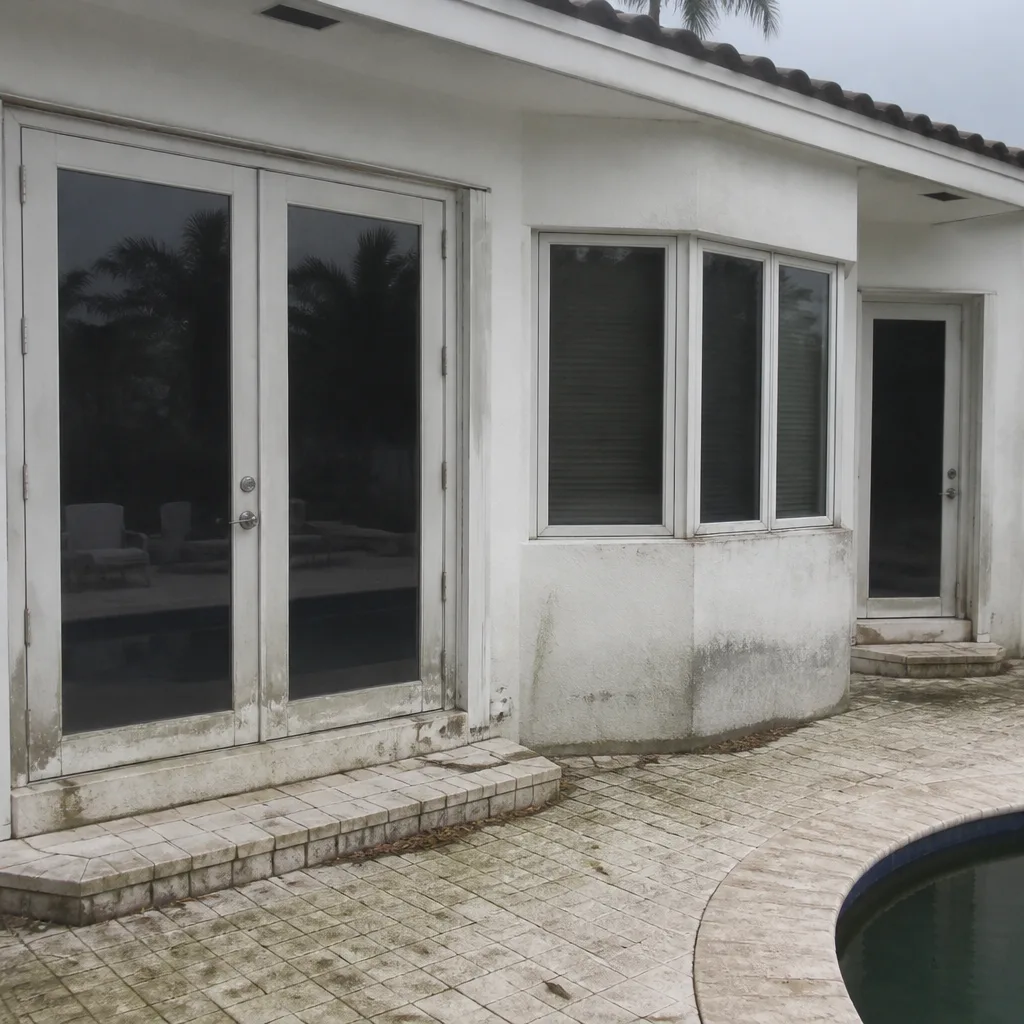 Before
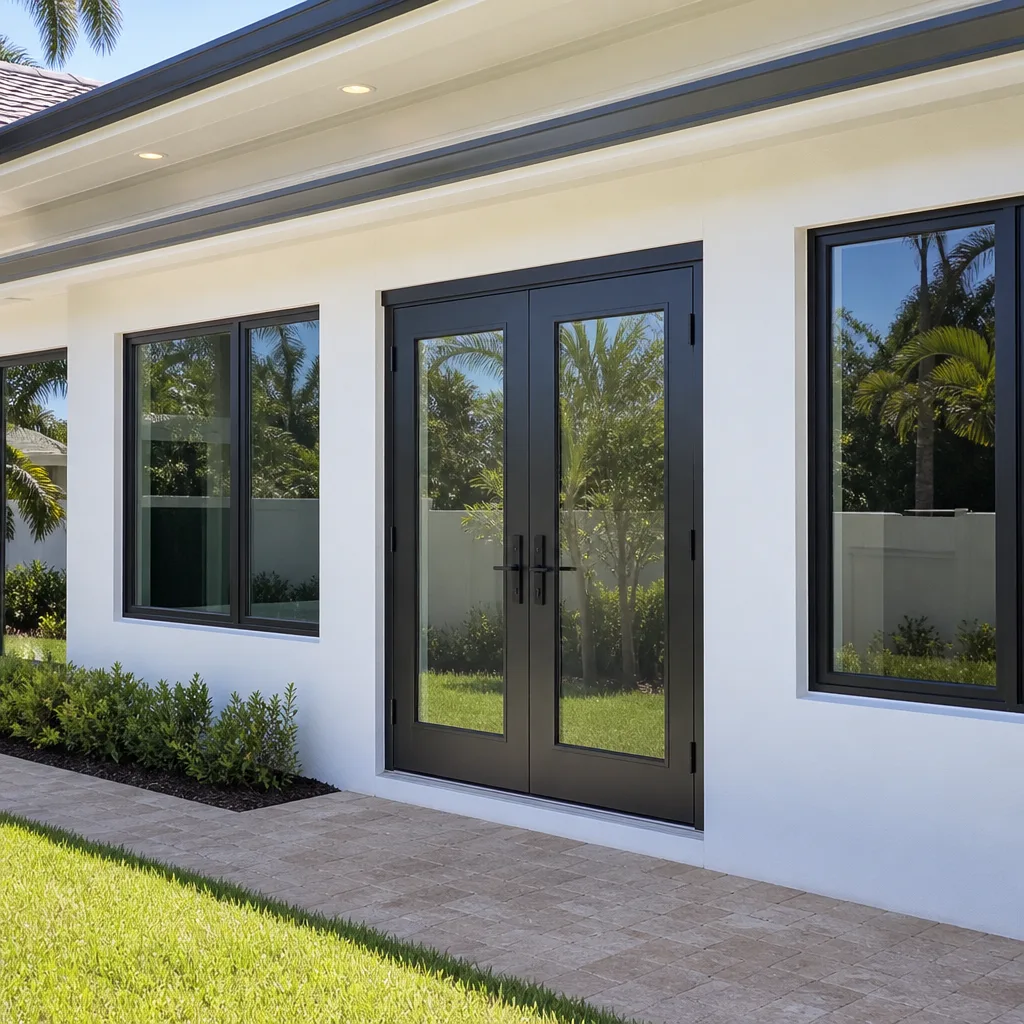 After
After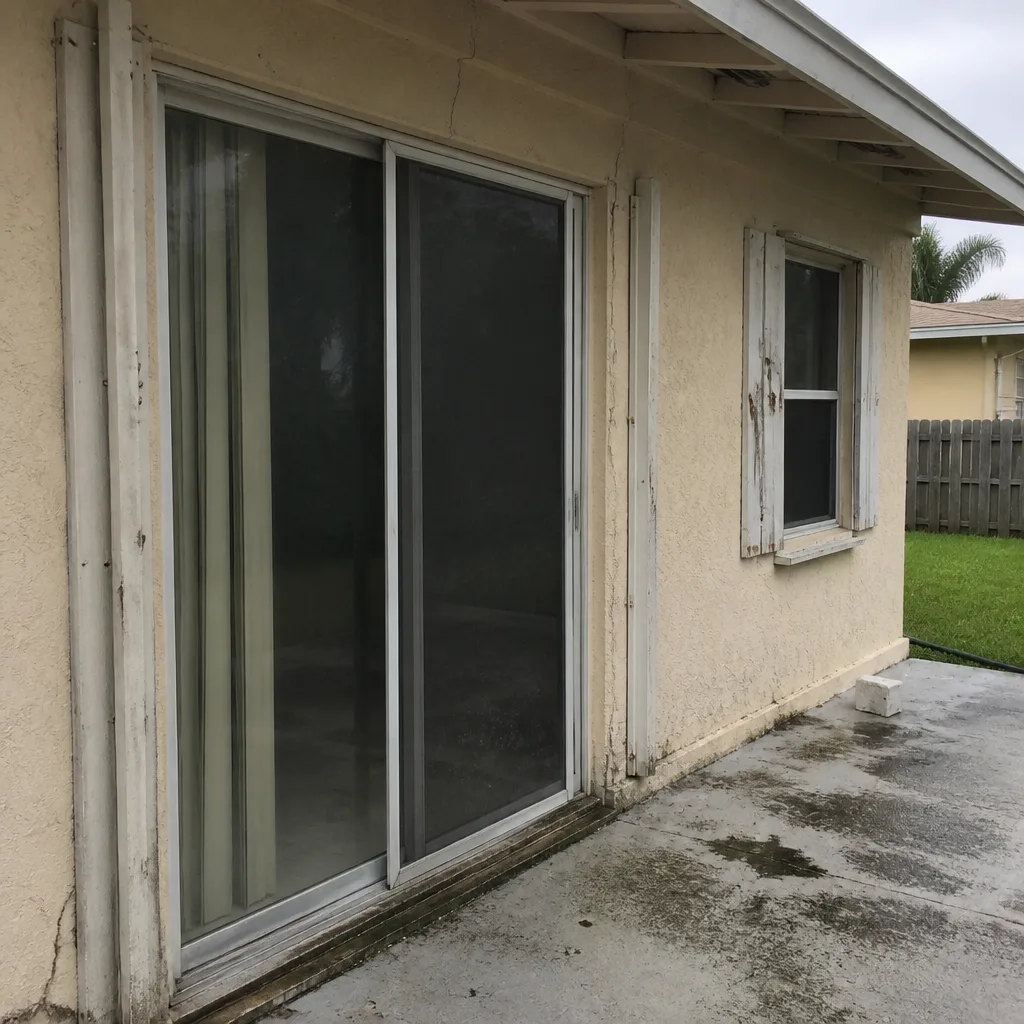 Before
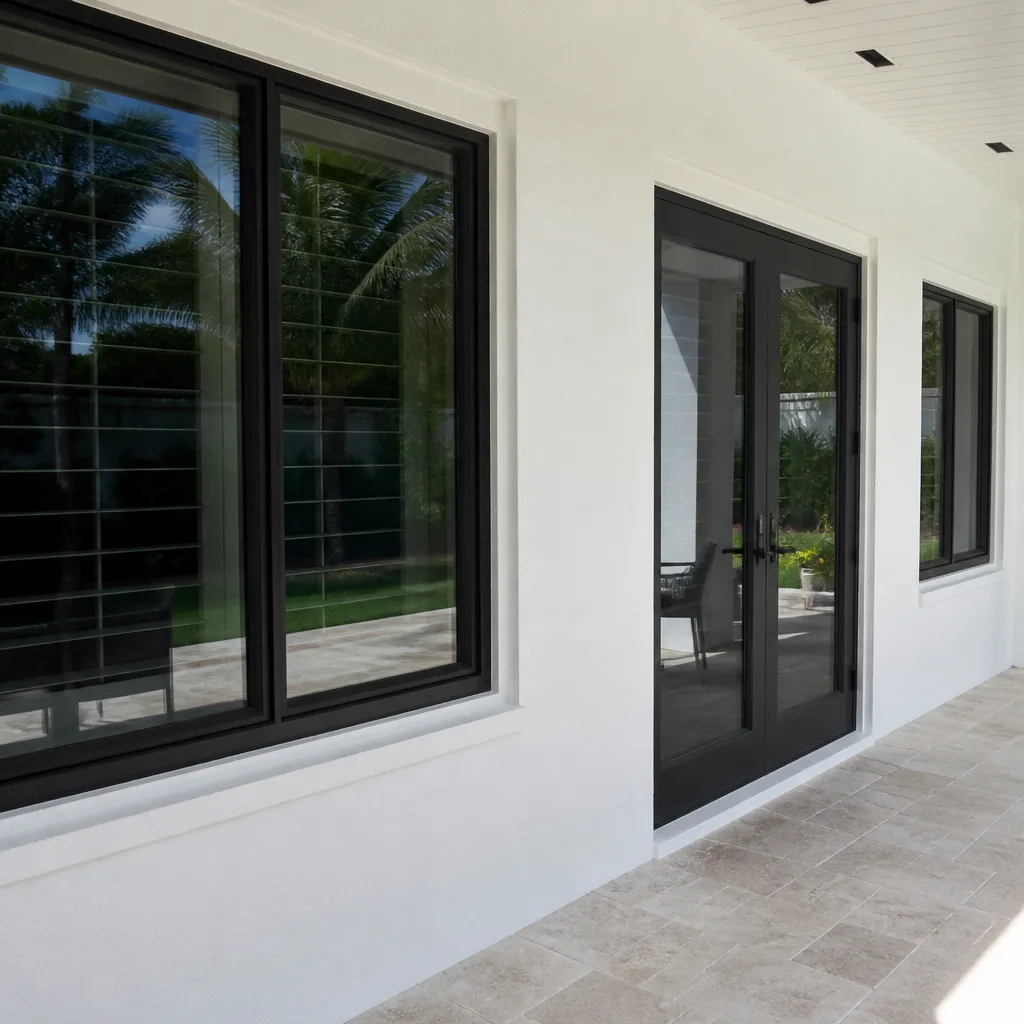 After
AfterSix Reasons Homeowners Choose Lightwell Windows West Palm Beach
Impact systems engineered to design pressures up to +/-100, matched to your wind zone - your openings hold when the storm arrives.
Low-E insulated impact glass from our manufacturer lines commonly cuts monthly cooling bills 20-30%.
Laminated impact glass shuts out up to 40% of outside noise - traffic, neighbors, weather.
Monitoring services run $30-90 a month. Laminated impact glass resists forced entry around the clock, with no subscription.
Florida homeowners average around 25% savings on the windstorm portion of their policy after protecting every opening - some homes qualify for more.
A full impact package upgrades curb appeal, buyer confidence and appraised value in one project.