
Last updated October 17, 2026
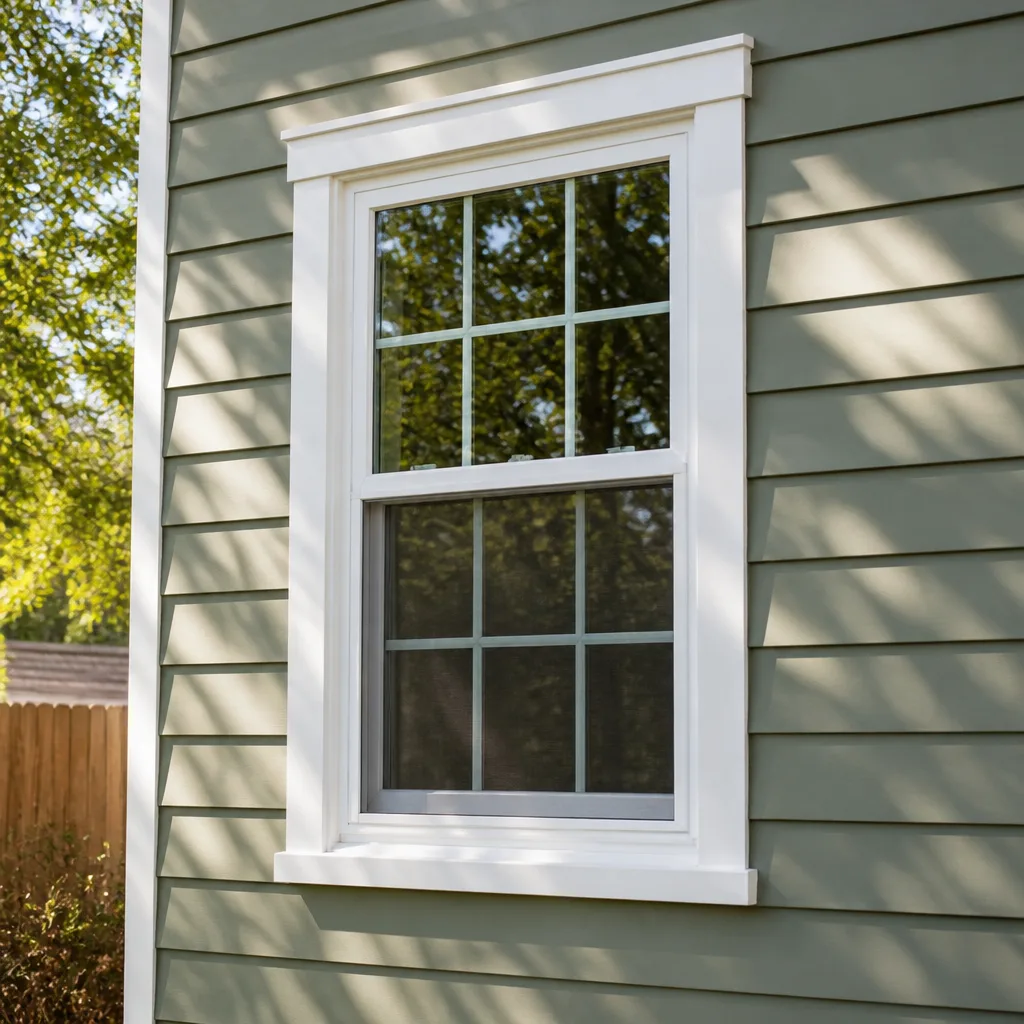 Single hung
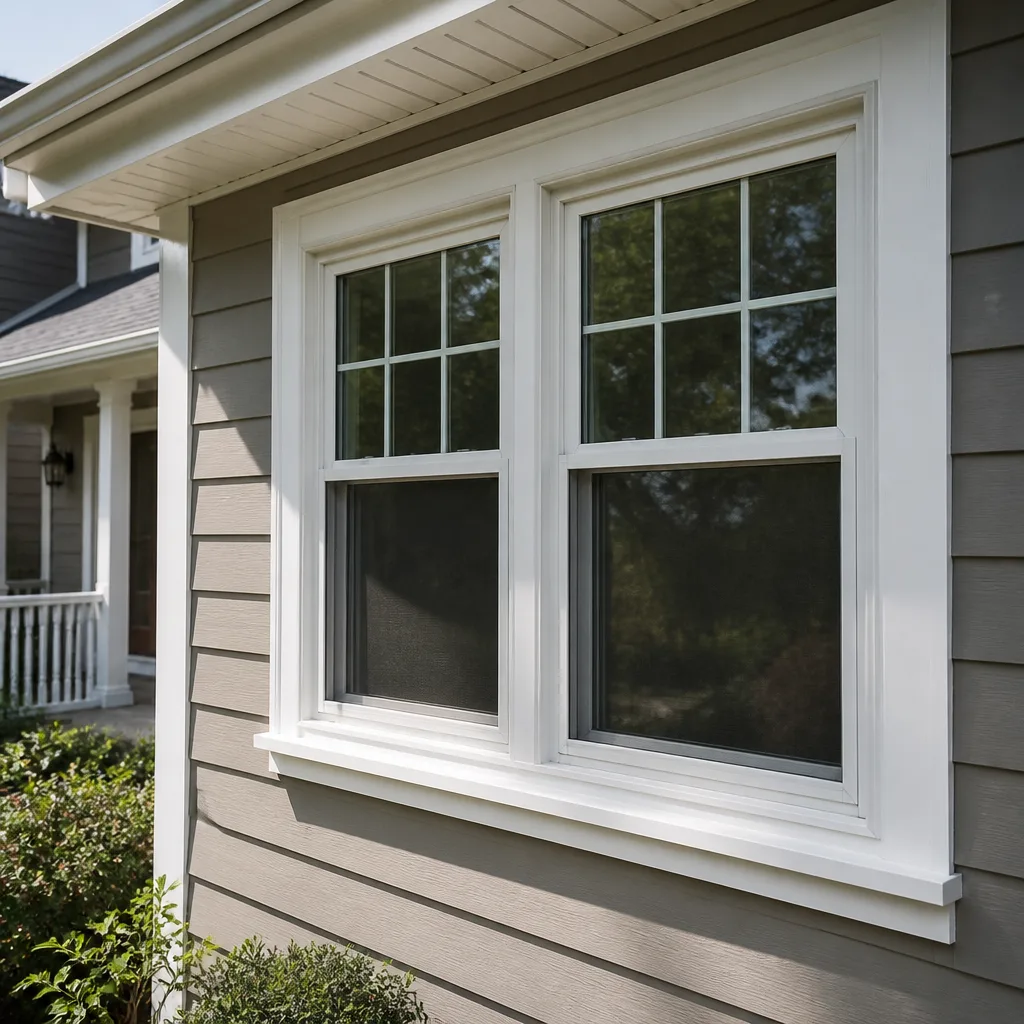 Double hung
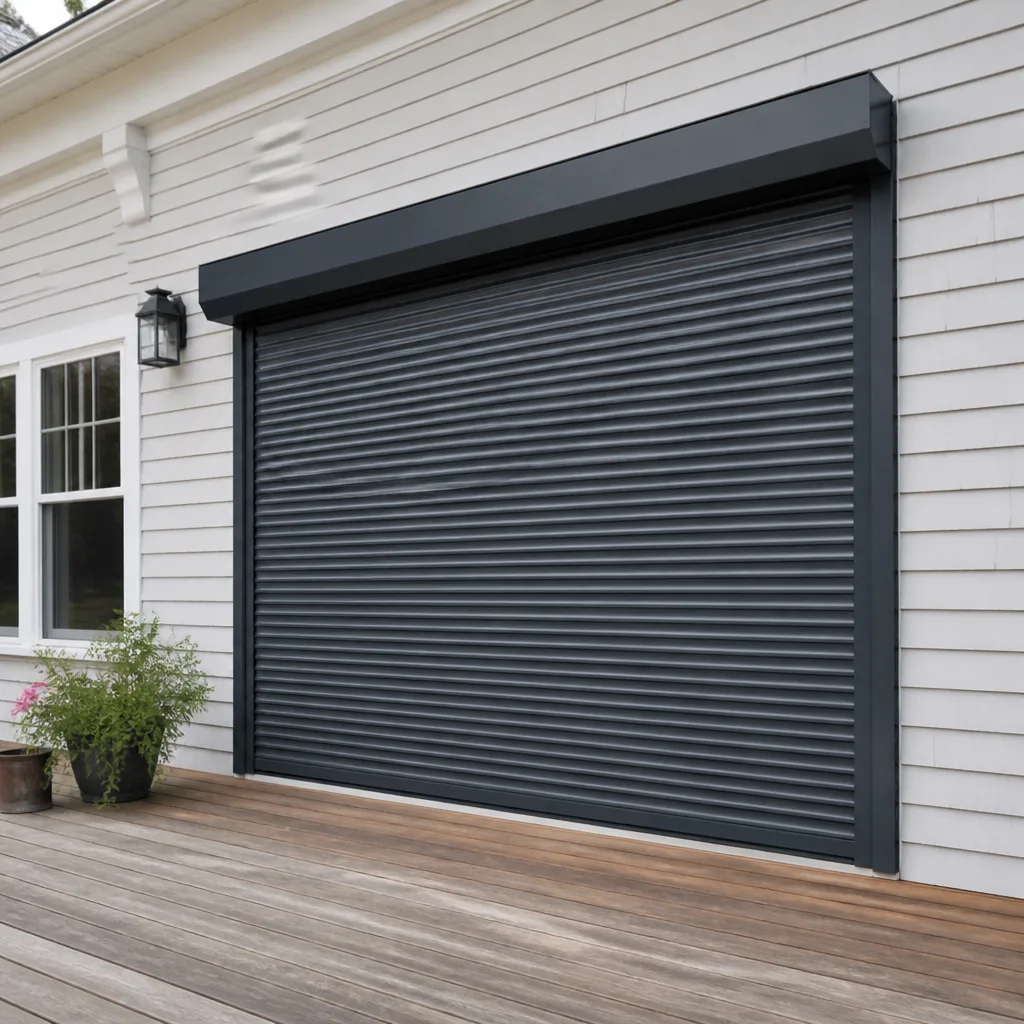 Horizontal roller
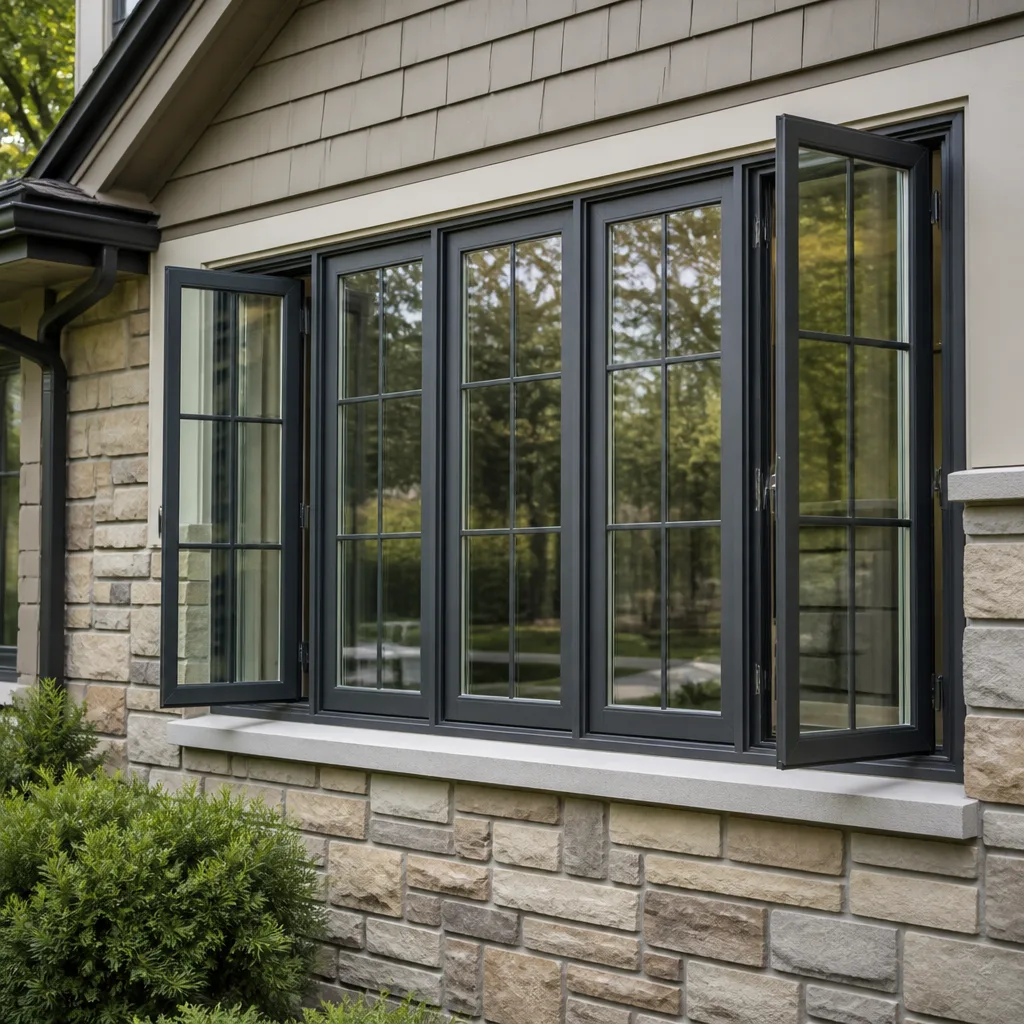 Casement
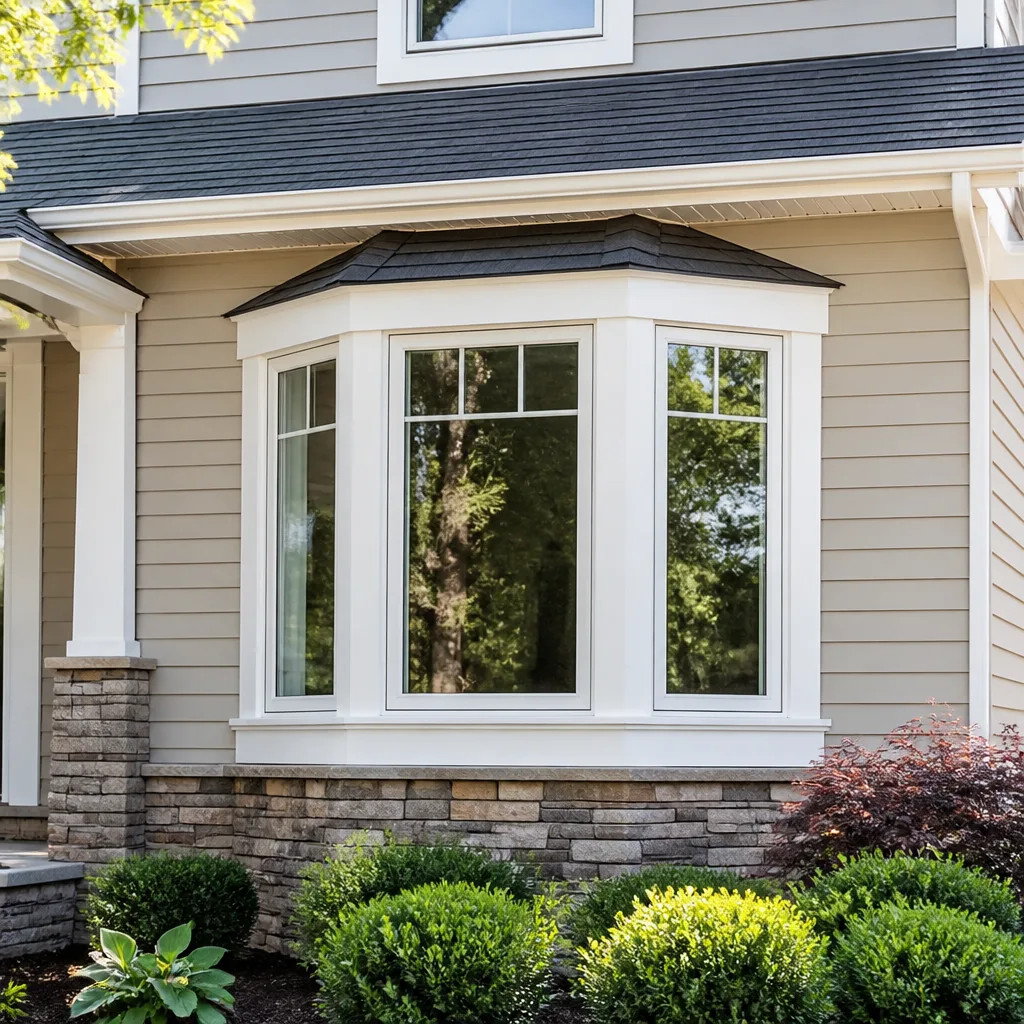 Bay & bow
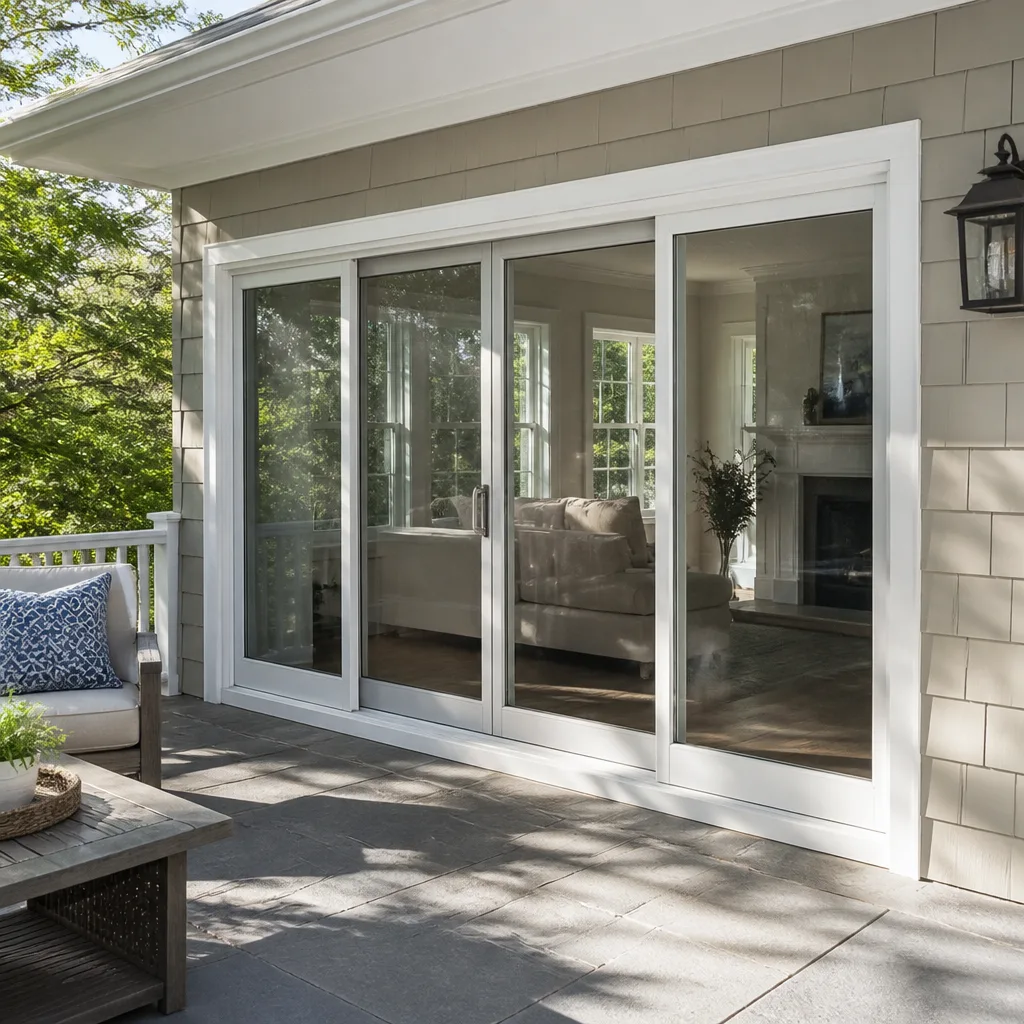 Sliding glass doors
 Entry doors
 Impact garage doors
 PGT
PGT CGI
CGIFree in-home measure and quote - PGT, CGI and CWS impact lines compared on your actual openings, style by style
Get your free estimateWindow Replacement Maintenance Checklist for West Palm Beach Homeowners
The most common cause of window failure during a South Florida storm isn’t the glass. It’s the sealant that dried out over the previous dry season, cracked under UV exposure, and was never caught before the first named storm reached Palm Beach County. A $12 tube of marine-grade sealant and a careful thirty-minute inspection is the single most important maintenance step separating a weather-tight West Palm Beach home from a water-damage claim. This guide gives you a complete maintenance checklist organized around the two moments that define life in West Palm Beach: before hurricane season opens on June 1, and after it closes in November. You’ll learn how to inspect impact glass for micro-fractures, which cleaning products are actually damaging your Low-E coatings, how to clear weep holes that most homeowners never notice, and how a simple paper log can become evidence your insurer and a future buyer will respect.
Quick Answer
A window replacement maintenance checklist for West Palm Beach homeowners should center on two annual events: a June 1 pre-hurricane-season inspection (sealant, weep holes, hardware torque, impact glass integrity) and a November post-season cleaning (salt residue removal, frame lubrication, track clearing). The most critical step is inspecting and refreshing exterior sealant around the window perimeter, which degrades faster in South Florida’s UV and salt environment than it does anywhere else in the continental United States.
Styles & brands we work with
Table of Contents
- The June 1 Pre-Season Checklist
- Sealant Inspection: The Step Adjusters Check First
- Weep Hole Clearing: The Two-Minute Task Most Homeowners Skip
- Hardware Torque: Tightening What Corrosion Loosens
- How to Inspect Impact Glass for Micro-Fractures
- Cleaning Products That Damage Florida Windows (And the Ones That Don’t)
- The November Post-Season Checklist: Salt, Debris, and Dry Season Prep
- Documenting Your Maintenance: The Log Insurers Recognize
The June 1 Pre-Season Checklist
Hurricane season on Florida’s Atlantic coast begins every year on June 1, no exceptions. If you live in West Palm Beach, you’ve already felt the seasonal shift by late May: afternoon thunderstorms roll in from the Everglades, humidity climbs past 80%, and the sun sits high enough to bake window frames past 140 degrees on the surface. That heat and moisture combination is what ages window components faster here than in Miami, and certainly faster than in Orlando or points north. The pre-season checklist below covers the three items insurance adjusters look at first after a storm event: sealant continuity, weep hole function, and hardware security. If you do nothing else, do these.
- Inspect all exterior sealant around every window perimeter. Look for hairline cracks, separation from the frame or stucco, and any areas where the sealant has pulled away from the glass. West Palm Beach’s dry season (November through May) is long enough to shrink and crack sealant that isn’t marine-grade. If you can slide a fingernail into a crack, water can get into it during a tropical storm.
- Clear every weep hole. These are the small drainage slits or holes on the bottom exterior edge of storm-rated and replacement windows. They let condensation and wind-driven rain drain outward instead of pooling inside the frame. Blocked weep holes are the leading cause of interior water staining we see in West Palm Beach homes after even mild storms.
- Check hardware torque on every operable window. Hinges, crank mechanisms, and lock points should be snug against the frame, not loose or rattling. Salt air from the Atlantic accelerates corrosion on uncoated hardware, and a lock point that’s half a turn loose is a window that flexes more during wind loading than it was designed to.
- Test the operation of every window. Open and close each unit fully. Listen for grinding, scraping, or hesitation. Binding is often the first sign of a warped frame or failing balance system, and both are easier to address in May than in September.
- Look for signs of water intrusion inside. Check the interior drywall below each window for bubbling paint, soft spots, or discoloration. These indicate water has already been getting in, even if it hasn’t been obvious.
For homeowners in neighborhoods along Flagler Drive or anywhere within a mile of the Intracoastal Waterway, salt deposits accelerate every one of these failure modes. Compounding the issue: West Palm Beach, like much of Palm Beach County, sits in a wind-borne debris region under Florida building code, which means your windows are either impact-rated or should have covered openings. If they’re not impact-rated, the maintenance checklist still applies, but you should also verify that your shutters or panels are mounted properly and within reach.
We’ve stood in too many West Palm Beach living rooms after a storm, looking at a water stain on the ceiling below a second-story window, and traced it back to a 4-inch section of dried-out sealant on the exterior. That’s an expensive lesson in a $12 maintenance item.
Sealant Inspection: The Step Adjusters Check First
After a wind and water event in Palm Beach County, insurance adjusters walk a property looking for maintenance-related failure. The first thing they examine is the sealant bead around windows and doors. A maintained bead, even one that’s a few years old, tells the adjuster the homeowner took reasonable steps to protect the home. A cracked, separated, or missing bead tells a different story: that water intrusion may be a maintenance issue, not a storm damage issue, and some policies won’t cover a claim if they determine the failure was preventable. That’s not fear-based selling; it’s the documented reality of South Florida claims.
Sealant in West Palm Beach fails in a predictable pattern. The dry season stretches from November through April, and during those months, exterior surfaces sit under relentless UV exposure. The sealant dries, shrinks, and eventually cracks at the corners and wherever the bead changes direction. Then the wet season arrives, and water finds those cracks. A proper pre-season sealant inspection takes about thirty minutes for a typical West Palm Beach single-family home.
Here is what to look for, in order of importance:
- Separation from the substrate. Run your finger along the bead where it meets stucco, concrete block, or wood trim. If the bead has pulled away anywhere along its length, that’s an active leak path. Replacement sealant should be tooled into the joint, not just applied on top.
- Cracking or alligatoring. South Florida sealant can develop a network of fine cracks that looks like alligator skin. This is a sign the bead has aged beyond its useful life and is no longer flexible.
- Soft spots or chalkiness. If the sealant feels gummy or leaves a white residue on your finger, the polymer has begun to break down. It may still look fine from the street, but it won’t hold up under storm-driven rain.
- Gaps at the corners. Window corners are stress concentration points. The frame expands and contracts with temperature swings, and corners are where the movement is greatest.
- Discoloration or staining inside the home. Water that’s already made it past the exterior sealant often shows up as staining on interior window framing, drywall, or even on the flooring below the window.
The type of sealant matters more in West Palm Beach than in most places. Marine-grade, non-sag polyurethane or a high-quality modified silicone is the standard for coastal Florida. These products are formulated to stay flexible through the expansion and contraction cycles we experience every day from May through October, when a 20-degree temperature swing between night and day is normal. Acrylic latex caulk, the kind available for a few dollars at any big-box store, simply won’t survive a single West Palm Beach summer on an exterior application.
For homeowners asking whether they can do this themselves: sealant replacement on window exteriors is one of the few maintenance items we tell homeowners is manageable if they’re comfortable working on a ladder and have a steady hand with a caulking gun. What we don’t recommend is doing it without knowing what you’re replacing. If the existing sealant is silicone, a new silicone bead will adhere fine; if you’re applying silicone over polyurethane, it won’t. If you’re not sure what’s there, a professional assessment is the safest step.
Weep Hole Clearing: The Two-Minute Task Most Homeowners Skip
Weep holes are the unsung heroes of window drainage. On most replacement windows and impact-rated units installed in West Palm Beach, you’ll find small rectangular slits or round holes along the bottom exterior edge of the frame. They exist so that any water that makes it past the exterior weatherstrip has a way out. Without them, water pools inside the frame channel, where it can corrode hardware, saturate the interior sill, and eventually leak into the wall cavity.
In West Palm Beach specifically, weep holes clog with three things: wind-blown sand and salt from the Atlantic, insect nests, and the kind of fine organic debris that blows around during summer thunderstorms. A blocked weep hole is invisible from the inside of the home, and most homeowners don’t know it’s happening until they see water on the windowsill after a storm, or a dark stain spreading on the drywall under the window.
Here’s the clearing routine we recommend in West Palm Beach, and it takes about two minutes per window:
- Locate the weep holes. From the exterior, look at the bottom edge of the window frame. On most residential replacement units, the weep holes are visible as one or more small openings along the bottom rail. Some are hidden under a removable cover; others are open and obvious.
- Clear visible debris. Use a soft brush, a vacuum with a crevice attachment, or a length of fine wire to remove anything lodged in the opening. Be gentle: a wire that’s too stiff can scratch the frame or damage the weatherstrip.
- Flush with water. Pour a small cup of clean water into the bottom channel of the frame from the exterior. Then watch the weep holes. The water should drain out within a few seconds. If it doesn’t, the internal path is still blocked.
- Clear the internal path. If flushing fails, try compressed air (a can of compressed air works) aimed gently into the weep hole from the exterior. If that doesn’t clear it, the blockage may be on the interior side of the drainage channel, which requires removing the sash and cleaning the track manually.
- Repeat on every window. Every operable window has weep holes. Fixed picture windows in newer West Palm Beach installations may not, but you should confirm with your installer. We recommend checking every unit, every year, in June.
Windows from brands like ECO Window Systems and Mr-Glass, both of which we carry at Lightwell Windows West Palm Beach home, are engineered with drainage paths that are shallow and easy to flush. But even the best drainage design can’t overcome a hole packed with sand. This is a maintenance item that costs nothing and prevents thousands of dollars in interior water damage.
Hardware Torque: Tightening What Corrosion Loosens
Salt air is relentless. It’s in the air you breathe during your morning walk along the Palm Beach Lake Trail, and it’s working its way into every piece of uncoated metal on your home. Window hardware in West Palm Beach ages faster than it does ten miles inland. Hinges, lock points, crank assemblies, and set screws are all susceptible, and the first sign of trouble is almost always a window that feels loose when you operate it.
The pre-season hardware check is about restoring each window to the tight, secure operation it had when it was first installed. When a window rattles in its frame during a storm, the entire frame flexes more than it was designed to, which stresses the glass, the sealant, and the surrounding wall assembly. A tight window is a quieter window, but more importantly, it’s a window that doesn’t move under wind load.
Walk through the house and test every operable window. For each one, try this sequence:
- Crank or slide the window open and closed. It should move smoothly, with steady resistance. Sticking, grinding, or hesitation suggests the track needs cleaning, the hardware needs lubrication, or the frame has begun to distort.
- Check every visible screw or fastener. On casement and awning windows, the hinge screws are visible on the interior when the window is open. On single-hung and sliding windows, the screws are typically in the track and lock points. A standard screwdriver or a hex driver (common on newer imported hardware) should snug any that have backed out.
- Close and lock the window. The lock should engage firmly. If the lock is loose, the window is loose, and no amount of weatherstripping will fix that.
- Look for rust blooms or white corrosion. On uncoated or poorly coated hardware, rust appears as an orange-brown bloom; on aluminum hardware, corrosion often looks like white powder. Either is a sign the hardware is degrading and should be replaced before it fails.
- Test the weatherstripping. With the window closed, run your hand along the interior of the sash, feeling for drafts. West Palm Beach homes may not need much heating, but an AC leak through a failed weatherstrip is money leaving the house every month from April through November.
- Turn off the interior lights and close the blinds or curtains. The darker the room, the easier it is to see light interacting with the glass surface. Late afternoon or evening works best.
- Hold the flashlight at a low angle to the glass, about 10-20 degrees from the surface. Don’t shine it directly at the window from straight on. Instead, aim it almost parallel to the glass. This raking light makes surface irregularities cast small shadows, which is how you’ll see fractures.
- Move the flashlight slowly across the surface. Watch the reflected light, not the glass itself. You’re looking for any line, hairline, or starburst pattern that appears as a thin bright reflection inside the lite. A clean piece of impact glass will show a smooth, even reflection. A micro-fracture appears as a short, bright line, often at or near the edge of the glass.
- Repeat on the exterior side. Especially after a storm or after a branch or piece of debris has struck the window, exterior inspection is essential. Small impacts can leave a shallow cone-shaped mark (a “chip”) that isn’t visible from the inside.
- Pay special attention to the edges. Edge damage is the most common location for micro-fractures because that’s where stress concentrates. If the window’s edge seal has been compromised, the lite may also show fogging, which is condensation between the glass layers and indicates a failed insulated glass unit.
- Ammonia-based glass cleaners. Ammonia is aggressive and can degrade the soft metallic coating that makes Low-E glass work. Over repeated use, ammonia-based cleaners cause the Low-E layer to break down, leaving a hazy or cloudy appearance that can’t be removed. Once the Low-E coating fails, the window’s thermal performance declines, and the only fix is replacement glass.
- Abrasive cleaners and powder cleansers. Anything that feels gritty (like a paste-based stainless steel cleaner or a scouring powder) will micro-scratch the glass surface and the frame. On vinyl frames, abrasive cleaning creates a dull, chalky look that never comes back. On aluminum frames, it removes the factory finish or anodized layer, opening the door to oxidation in West Palm Beach’s salt-laden air.
- Salt residue removal. Wash every exterior window frame and glass surface with clean, fresh water and a mild soap, as described above. Pay special attention to the bottom rails of the frames and the hardware. Salt from the Atlantic and the Intracoastal is hydroscopic (it attracts moisture even in dry air), and if left on a frame through the dry season, it will cause finish oxidation and pitting by spring. In coastal communities like El Cid or the neighborhoods along Flagler Drive, this is a monthly task. Inland in communities like Ibis or Bay Hill Estates, a thorough November wash is sufficient for most homes.
- Debris clearing from tracks and sills. Summer thunderstorms blow leaves, sand, and organic material into window tracks. During the wet season, that debris stays soft and doesn’t bind. Once the dry season arrives, the same debris dries and hardens, and by February it can be packed into the track tightly enough to impede operation. A vacuum with a crevice tool, followed by a wipe-down with a damp cloth, is the sequence. Don’t use compressed air to blow debris, which can force it deeper into the frame recesses.
- Lubrication of moving parts. After the frame and track are clean and dry, apply a silicone-based lubricant (dry-type) to hinges, crank gears, and sliding tracks. A light coat is enough. The goal is to leave a film that prevents corrosion without attracting dust.
- Inspection of weatherstripping. The wet season is hard on weatherstripping because of constant thermal cycling and high humidity. Look for flattened, cracked, or missing weatherstripping along the sash and frame. Replacing weatherstripping in November means a tighter window in December.
- Document everything. This is the step that surprises people, but it’s the one we’ll expand on in the next section. A simple log with dates and observations is evidence, and evidence has value.
- Date of each inspection. For most homeowners, two entries per year is the baseline: one in June and one in November.
- What was inspected and found. “Sealant inspected on all 14 windows, hairline cracks at master bedroom left window, sealant replaced (product used, brand if known).”
- What was cleaned, cleared, or lubricated. “Weep holes cleared on all windows, two blocked on northeast side, cleared with wire and flushed.”
- Any parts replaced. “Weatherstripping replaced on southeast bedroom window, sash removed and strip replaced.”
- Any professional assessments. “Impact glass inspection by installer on [date], no findings, report on file.”
In our experience across West Palm Beach, homes within two miles of the ocean see noticeably more hardware corrosion than homes near Palm Beach Lakes or the western communities. Coastal hardware should be wiped down with a dry cloth regularly during the wet season, and a light application of a non-petroleum lubricant (not WD-40, which attracts dirt and can degrade some plastics) on moving parts will extend service life.
If your hardware is original to a window that’s more than five years old and shows visible corrosion, tightening it is a short-term fix. The longer-term conversation is about a window replacement in West Palm Beach with hardware that’s rated for coastal environments.
How to Inspect Impact Glass for Micro-Fractures
Impact glass doesn’t fail the way standard annealed glass fails. A standard window in a storm breaks into large, dangerous shards. Laminated impact glass, the kind installed in modern West Palm Beach impact-rated windows, has an inner polymer layer that holds the glass together even when it cracks. That’s the design, and it works. But impact glass can develop micro-fractures, especially along the edges, that don’t show up in normal light and don’t create an obvious crack pattern across the surface. These micro-fractures can compromise the structural integrity of the lite, which means the window won’t perform as designed the next time a hurricane makes landfall.
The technique for spotting micro-fractures is simple, and it’s the same basic method a glass professional uses in the field. You need a flashlight and a few minutes per window.
If you find a micro-fracture, resist the urge to ignore it. A small crack now is a bigger crack after the next summer storm, when thermal expansion and wind loading work together. Also know this: a replacement sash or lite is almost always less expensive than a full window replacement, but impact-rated glazing replacement must be done by a professional who can match the glass thickness, lamination type, and frame compatibility. For homes with impact glass from brands like PGT or CGI, the manufacturer’s specifications are printed on a small label on the frame, and any qualified glazier in West Palm Beach will need that information to order the correct replacement lite.
We should also mention the limits of homeowner inspection. A flashlight will show you visible surface damage and larger edge cracks. It will not show you a failure inside the laminate layer, nor will it reveal a broken seal that hasn’t yet fogged. If your window took a direct hit from flying debris, even if there’s no visible damage, the right call is a professional assessment.
Cleaning Products That Damage Florida Windows (And the Ones That Don’t)
Florida’s UV environment is punishing. The sun in West Palm Beach isn’t just hot; it’s high-angle and intense for more hours per year than almost anywhere else in the country. That UV load is why certain cleaning products that work fine on windows in Ohio will damage windows in West Palm Beach. The problem is chemistry, not brand quality.
The most important rule for exterior window cleaning in coastal Florida: never clean a hot window. When the glass surface is hot from sun exposure, any cleaning solution flashes off quickly, leaving residue and streaks. Worse, the rapid temperature change from cold water (or even room-temperature water) on a hot glass surface can cause thermal stress cracks in some low-iron or high-performance glass products. Early morning, before the sun hits the window directly, is the right time to clean.
There are two categories of products to avoid entirely on replacement windows with Low-E coatings and vinyl or aluminum frames:
So what should you use? For routine exterior cleaning on replacement windows in West Palm Beach, a solution of warm water and a few drops of mild dish soap (the plain kind, not anything with added “grease-fighting” petroleum distillates) is the safest and most effective option. Apply it with a soft sponge or a microfiber cloth, wipe down the glass and the frame, and rinse thoroughly with clean water. Dry with a squeegee or a clean microfiber towel to prevent water spots from the hard water that’s common in Palm Beach County.
For the frame and track, the same spray-and-wipe approach works. What you want to avoid is letting any cleaning solution pool in the track or sit in the corners. When buildup accumulates in the track, it combines with Florida’s humidity to form a paste that attracts more debris and impedes drainage. After cleaning, wipe the track dry and make sure the weep holes are still clear.
One more West Palm Beach-specific note: if you live near the beach (think neighborhoods like South End, El Cid, or the condos along Flagler), you should wash your exterior windows more frequently than homeowners inland. Salt spray settles on the glass and the frames, and over time it etches the surface the same way it etches car paint. A monthly freshwater rinse on exterior windows is the single best thing you can do for longevity in those coastal neighborhoods.
If you’re working with windows from a brand like ViewLux or Therma-Tru (the latter being more common on door products but part of the same coastal care conversation), check the manufacturer’s care instructions. But as a general rule, the dish soap approach is safe across all vinyl, aluminum, and impact glass products.
The November Post-Season Checklist: Salt, Debris, and Dry Season Prep
When the last named storm has passed and the dry season begins in earnest, West Palm Beach homeowners get a window of opportunity (forgive the phrasing) to undo the damage the wet season has done. November is the right month for the post-season checklist, and there’s a reason for that. Hurricane season officially ends November 30, but the weather typically shifts by mid-November. Waiting until December means waiting until after the holiday season, and by January, many homeowners have forgotten the maintenance entirely.
The November checklist has a different focus than the June checklist. In June, you’re preparing for what’s coming. In November, you’re cleaning up what has already happened and getting the windows ready for the dry season. The key difference: the dry season is when oxidation and UV damage accelerate, and residue left on frames from the wet season acts as a catalyst.
Here’s the post-season sequence:
We see a clear pattern in West Palm Beach: the homes that get a post-season cleaning in November have windows that still look and operate well in May. The homes that skip it have frames with white oxidation by spring, especially on the lower rails where salt sat in the weep hole recesses for five months.
Documenting Your Maintenance: The Log Insurers Recognize
Conversations between homeowners and insurance adjusters after a storm in Palm Beach County can be tense. The homeowner says the window failed because of storm conditions. The adjuster asks whether the window was properly maintained. The homeowner says yes. The adjuster asks for evidence. Most homeowners are left saying something like, “Well, I cleaned them.” That’s when the conversation shifts from storm damage to maintenance dispute.
A maintenance log ends that dispute before it starts. It doesn’t need to be formal; a spiral notebook or a spreadsheet file works fine. What matters is that it shows a consistent pattern of care, with dates and specific actions, over multiple years. An insurer and a future home buyer both see the pattern: this is a homeowner who knew what the home needed and did it.
At minimum, the log should record:
For the log to carry weight, it needs to be a record, not a sales document. Keep it factual. A future buyer reading through it should be able to see that the windows have been maintained, not that the seller is trying to prove something. The same applies if you ever make a claim. An adjuster who sees a log with dates, specific actions, and consistent entries over years is far more likely to approve a claim for storm damage than an adjuster who’s told “trust me, we took care of the windows.”
One note on image documentation: photos help. Taking a photo of the exterior window, the weep holes, and any areas where you applied new sealant creates a time-stamped record with visual evidence. Most smartphones add GPS data, which ties the photo to the West Palm Beach address. If you store images in a cloud folder named by date, you’ve created a simple, durable archive.
Common Mistakes to Avoid
- Using the wrong sealant. Applying plain acrylic latex caulk to an exterior window joint in West Palm Beach is a temporary bandage that fails within months, and sometimes causes worse damage by trapping moisture behind a false sense of security.
- Skipping weep holes. We see this constantly: homeowners wash the windows, clean the tracks, and never touch the weep holes. The cleaning creates runoff that then can’t drain, which is worse than doing nothing.
- Cleaning with ammonia-based products. Repeated use of standard blue glass cleaners on Low-E impact windows degrades the coating and leaves a haze that can’t be removed. The damage is invisible until it’s irreversible.
- Ignoring hardware corrosion. A little rust on a hinge or lock point is easy to dismiss until the hardware fails during the next storm cycle, and a window that won’t lock is a window that leaks.
- Using pressure washers on window exteriors. High-pressure water blasted at window glass or storm-rated frames can force water past the exterior weatherstrip and damage sealant beads. A garden hose with a spray nozzle is the highest pressure that should touch a residential window.
- Not documenting anything. If maintenance isn’t recorded, it didn’t happen in the eyes of an insurer. Five minutes of note-taking per inspection is the difference between a covered claim and a fight.
- Waiting until June 2. The best time to catch a sealant crack in West Palm Beach is May 28, not the day after the first tropical wave forms. The pre-season checklist is designed to be finished before the season starts.
See the difference
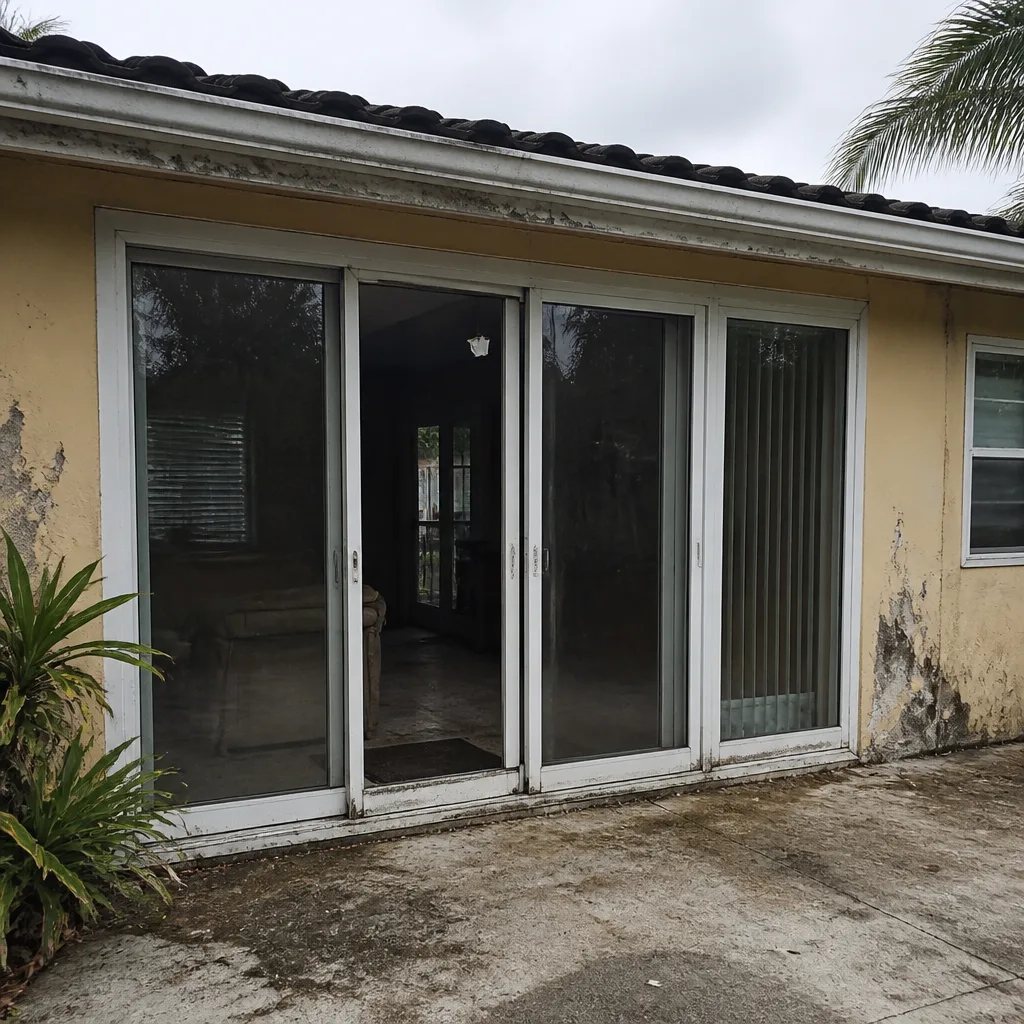 Before
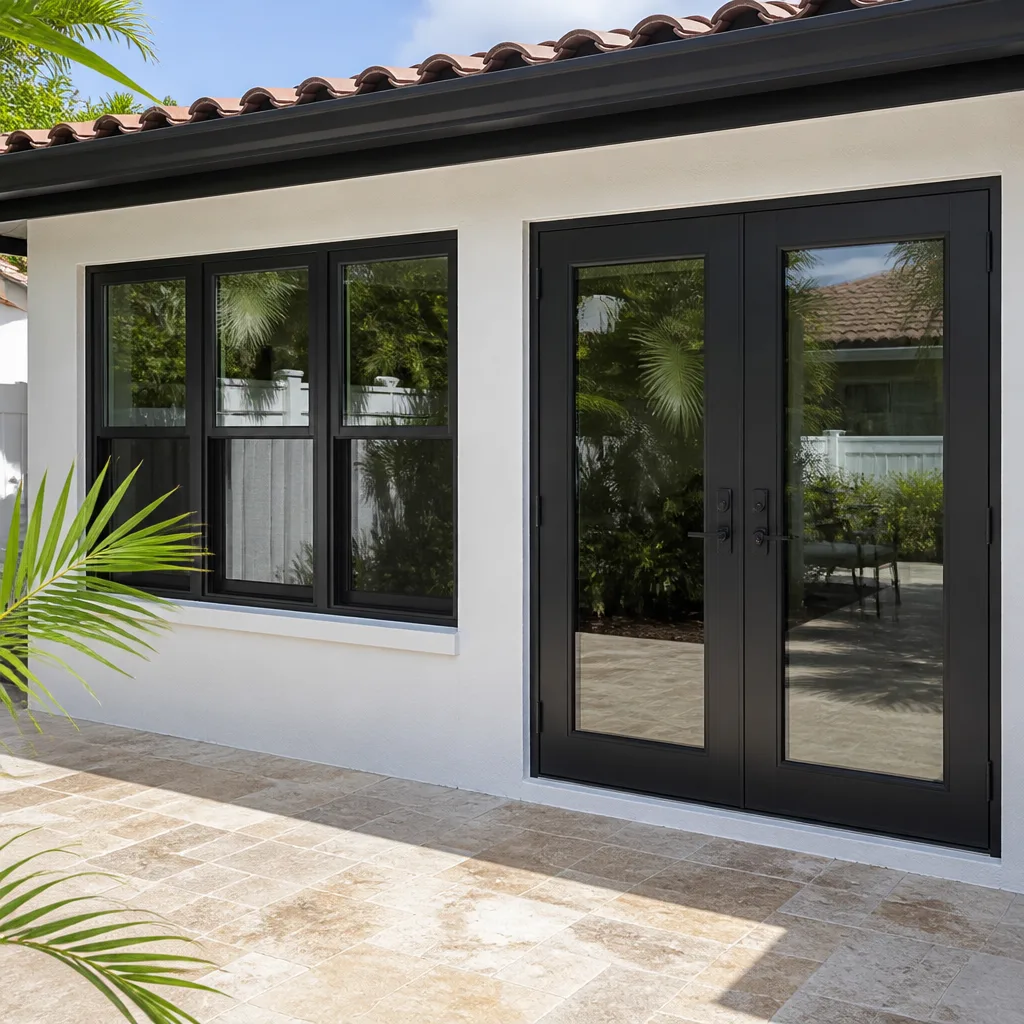 After
After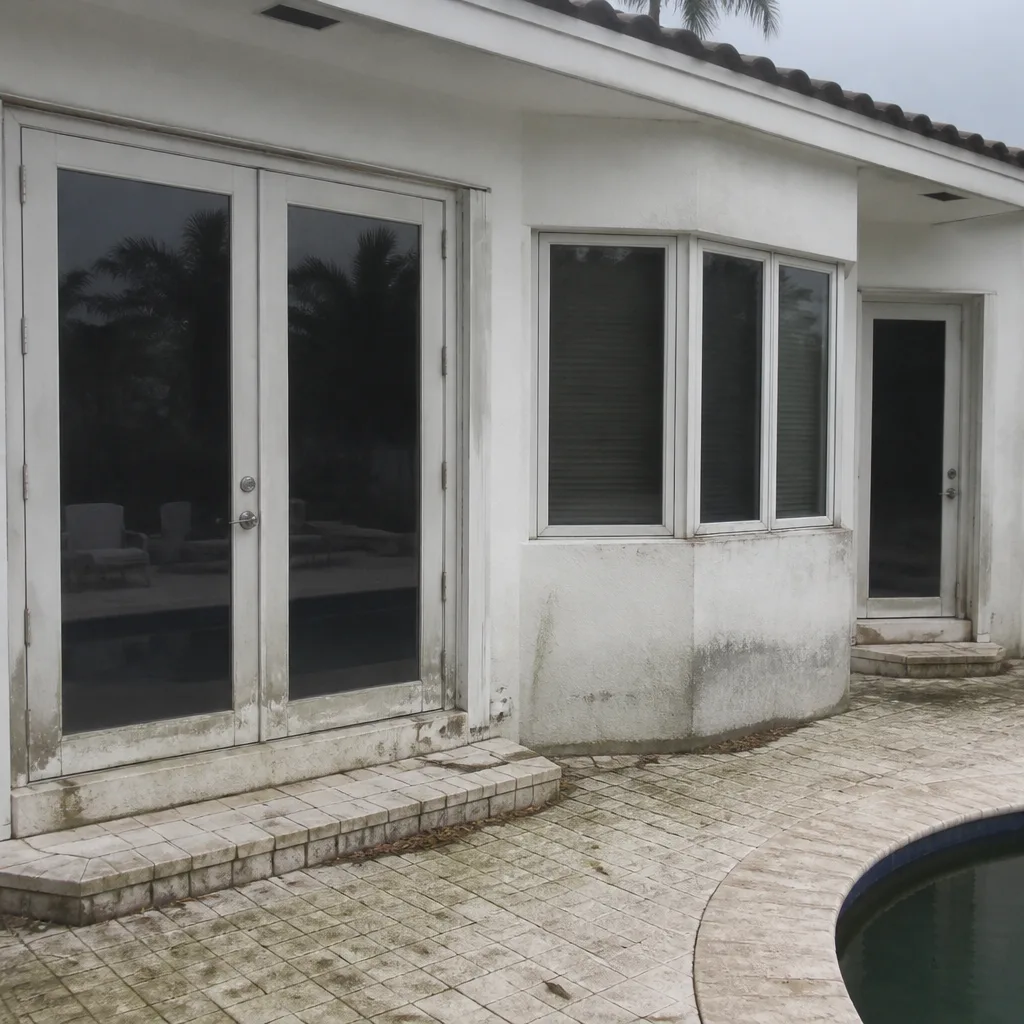 Before
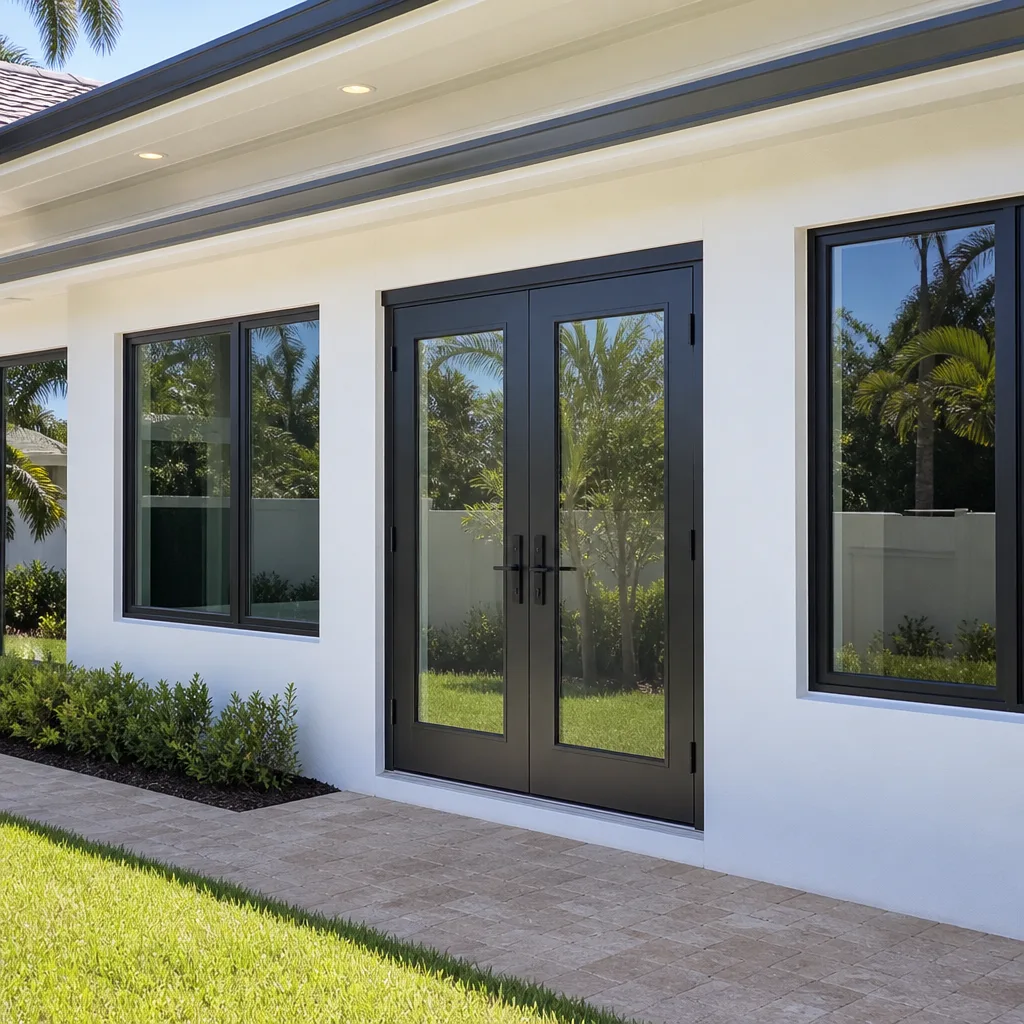 After
After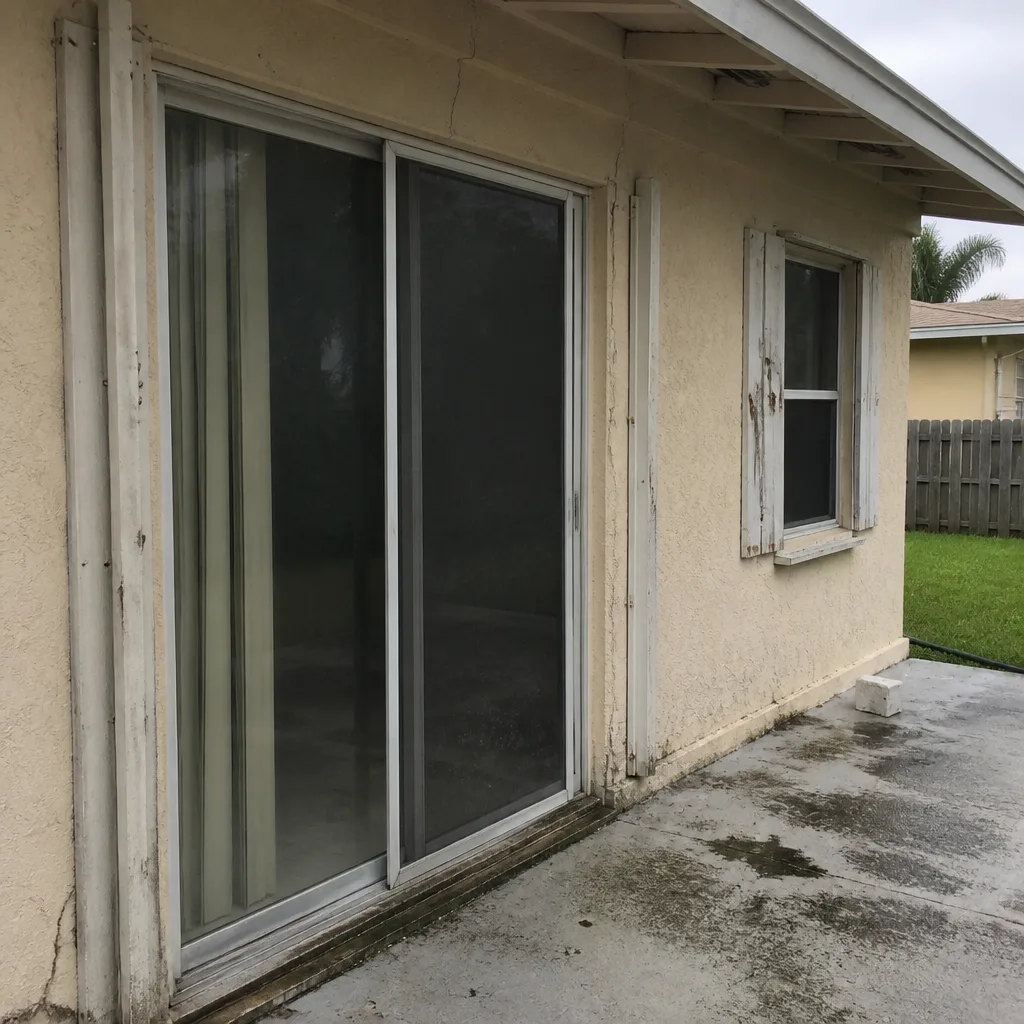 Before
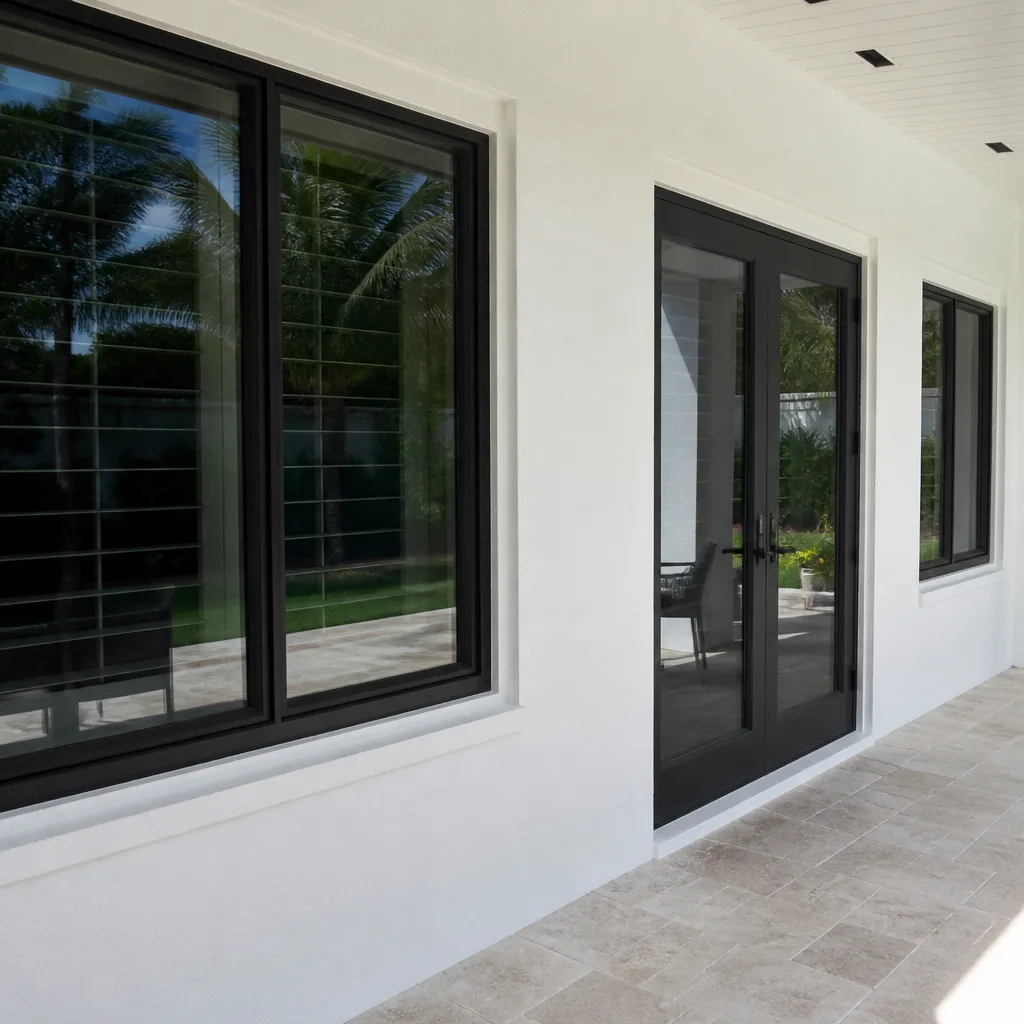 After
AfterWhen to Call a Professional
Some maintenance findings are beyond the scope of homeowner care. If you find a sealant bead that’s failed along more than a few inches of the perimeter, especially in hard-to-reach areas like a second-story window, a professional with proper access equipment should handle the replacement. If an impact glass inspection reveals a micro-fracture, edge crack, or fogged insulated glass unit, replacement of the lite or sash requires a specialist. If a window has begun binding in its frame, or if you see water staining inside the home that doesn’t trace to an obvious exterior opening, you may be looking at frame distortion or wall-cavity moisture that needs a professional diagnosis. Lightwell Windows West Palm Beach offers free estimates in West Palm Beach; call (728) 203-1160 to schedule an inspection. We’ll come out, look at what you’re seeing, and tell you what needs to happen, including what you can handle yourself and what needs a technician.
Frequently Asked Questions
A West Palm Beach homeowner should perform a full window inspection twice a year: once before hurricane season (by June 1) and once after the season ends (by late November). Coastal homes near the Intracoastal or Atlantic may benefit from monthly visual checks and exterior rinses during the wet season, but the two annual deep inspections are the baseline.
For exterior window sealant in West Palm Beach, use a marine-grade polyurethane or modified silicone product rated for coastal exposure. These products stay flexible through South Florida’s thermal cycling. Avoid standard painter’s caulk or acrylic latex, which will crack and separate within a single season. If you’re not sure what type of sealant is already on the windows, don’t apply a new bead until you know, because adhesion between different chemistries is unreliable. Call (728) 203-1160 and we’ll help you identify what you have.
No. Most standard glass cleaners, including many Windex formulas, contain ammonia, which degrades the Low-E coating on impact glass over time. For more guides & resources on proper window care, Use a solution of warm water and a few drops of mild dish soap, applied with a microfiber cloth, and rinse thoroughly. The damage from ammonia doesn’t appear immediately, but after a few years in the West Palm Beach sun, the coating breaks down and the window can’t be repaired, only replaced.
Weep holes are small drainage openings on the bottom exterior edge of a window frame. They allow water that collects in the frame’s drainage channel to exit outward instead of leaking into the home. On most replacement windows in West Palm Beach, you’ll find them along the bottom rail, either as visible slits or as covered openings. Clearing them takes a couple of minutes per window and should be part of every pre-season inspection.
Yes. A maintenance log with dated entries, specific actions, and photo documentation establishes a pattern of reasonable care that insurance adjusters and future home buyers can see. In a post-storm claim, the log is your evidence that the window failure wasn’t due to neglect. Without it, you’re asking the adjuster to take your word, and in a high-loss environment like Florida, that’s often not enough.
For homeowners who prefer to have an expert handle it, professional window maintenance in West Palm Beach typically runs between $150 and $400 for a full-home inspection and basic service on a standard single-family house, depending on the number of windows and whether any sealant or hardware replacement is needed. For a more complex repair, like a replacement lite or sash, costs vary by window type and brand. Lightwell Windows West Palm Beach offers free estimates, and we’ll write the price down before any work starts. Call (728) 203-1160 to schedule one.
The Bottom Line
Window maintenance in West Palm Beach is not a once-a-year chore; it’s a rhythm keyed to the two seasons that shape life in South Florida. In June, you’re checking sealant, weep holes, hardware, and glass before the storms arrive. In November, you’re washing away salt, clearing tracks, and lubricating hardware before the dry season sets in. The checklist is simple, but the specific climate demands are real: marine-grade sealant, ammonia-free cleaning, and an honest log that documents your care. If you’re unsure whether your windows are in good shape, or if you’re considering a window replacement in West Palm Beach, we’re happy to help. Wind-related issues are our expertise at Lightwell Windows West Palm Beach home, and the same applies to window installation in West Palm Beach and door installation in West Palm Beach. For a free estimate, call (728) 203-1160, and we’ll show up in uniform, put a written price in your hand before any work begins, and treat the space like our own home while we’re there.
Written by Keith Yamada, Owner at Lightwell Windows West Palm Beach, serving West Palm Beach since 2010.
Six Reasons Homeowners Choose Lightwell Windows West Palm Beach
Impact systems engineered to design pressures up to +/-100, matched to your wind zone - your openings hold when the storm arrives.
Low-E insulated impact glass from our manufacturer lines commonly cuts monthly cooling bills 20-30%.
Laminated impact glass shuts out up to 40% of outside noise - traffic, neighbors, weather.
Monitoring services run $30-90 a month. Laminated impact glass resists forced entry around the clock, with no subscription.
Florida homeowners average around 25% savings on the windstorm portion of their policy after protecting every opening - some homes qualify for more.
A full impact package upgrades curb appeal, buyer confidence and appraised value in one project.