
Last updated October 17, 2026
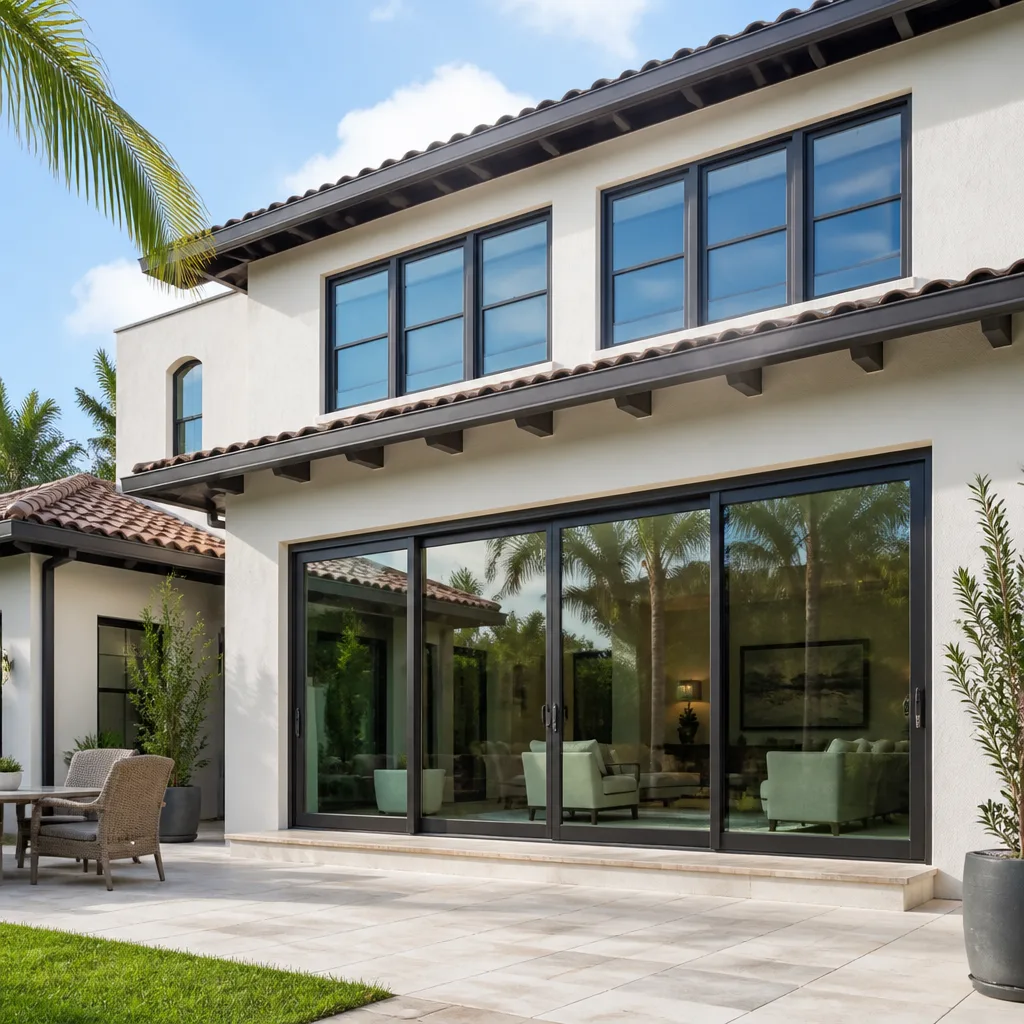
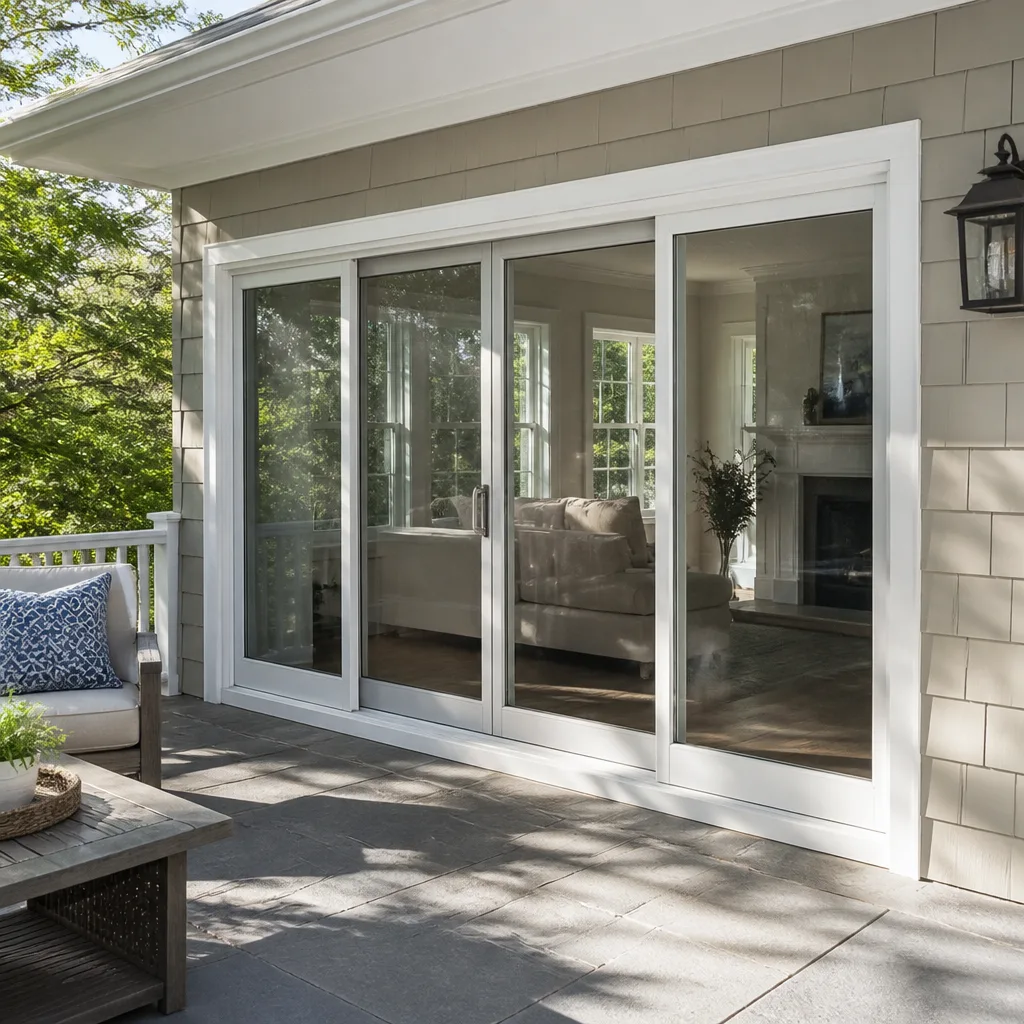 Sliding glass doors
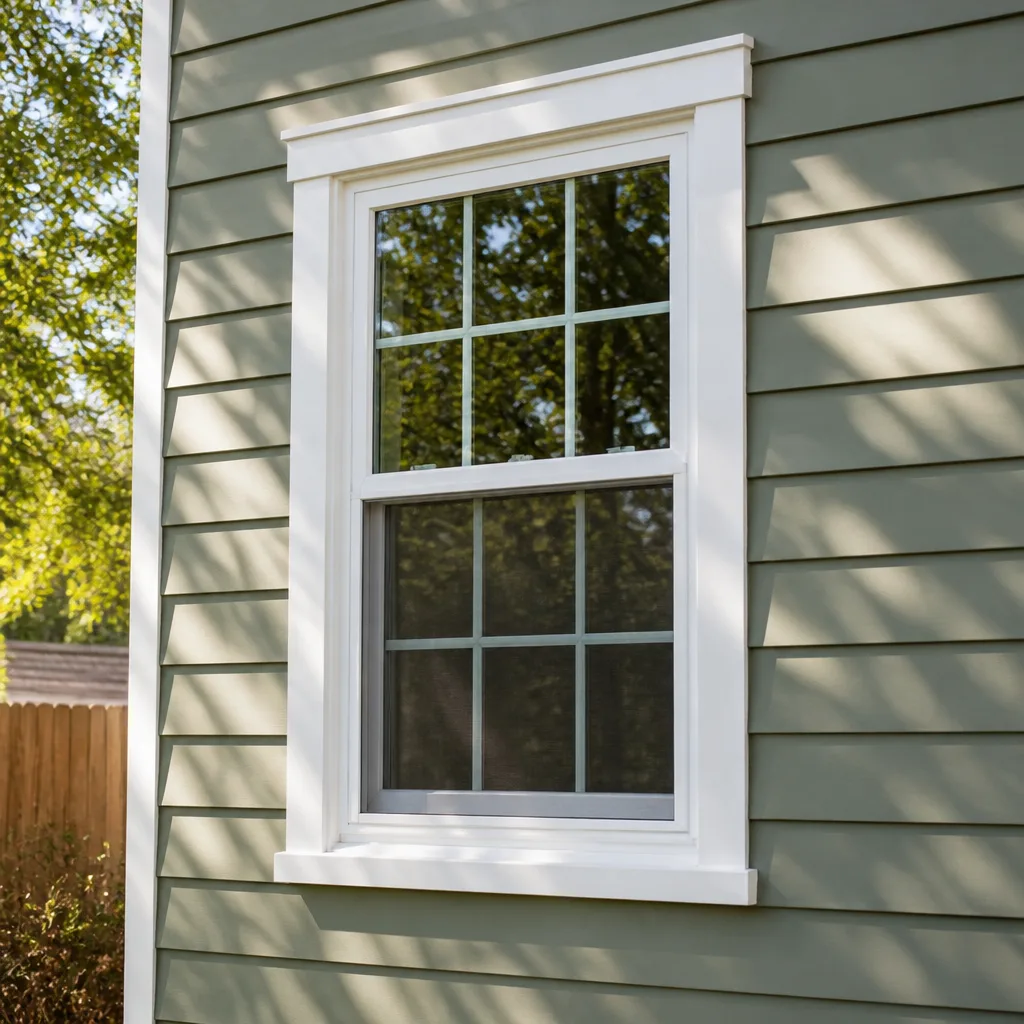 Single hung
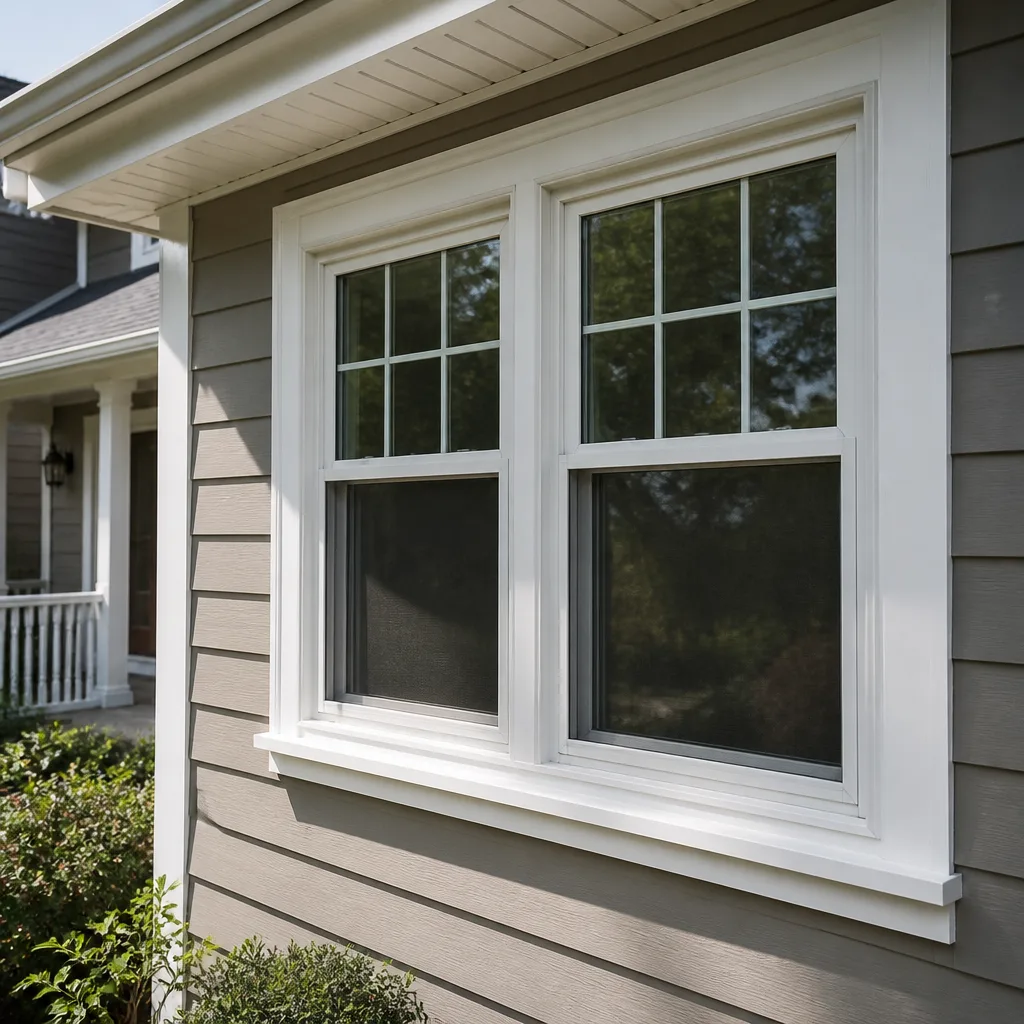 Double hung
 Horizontal roller
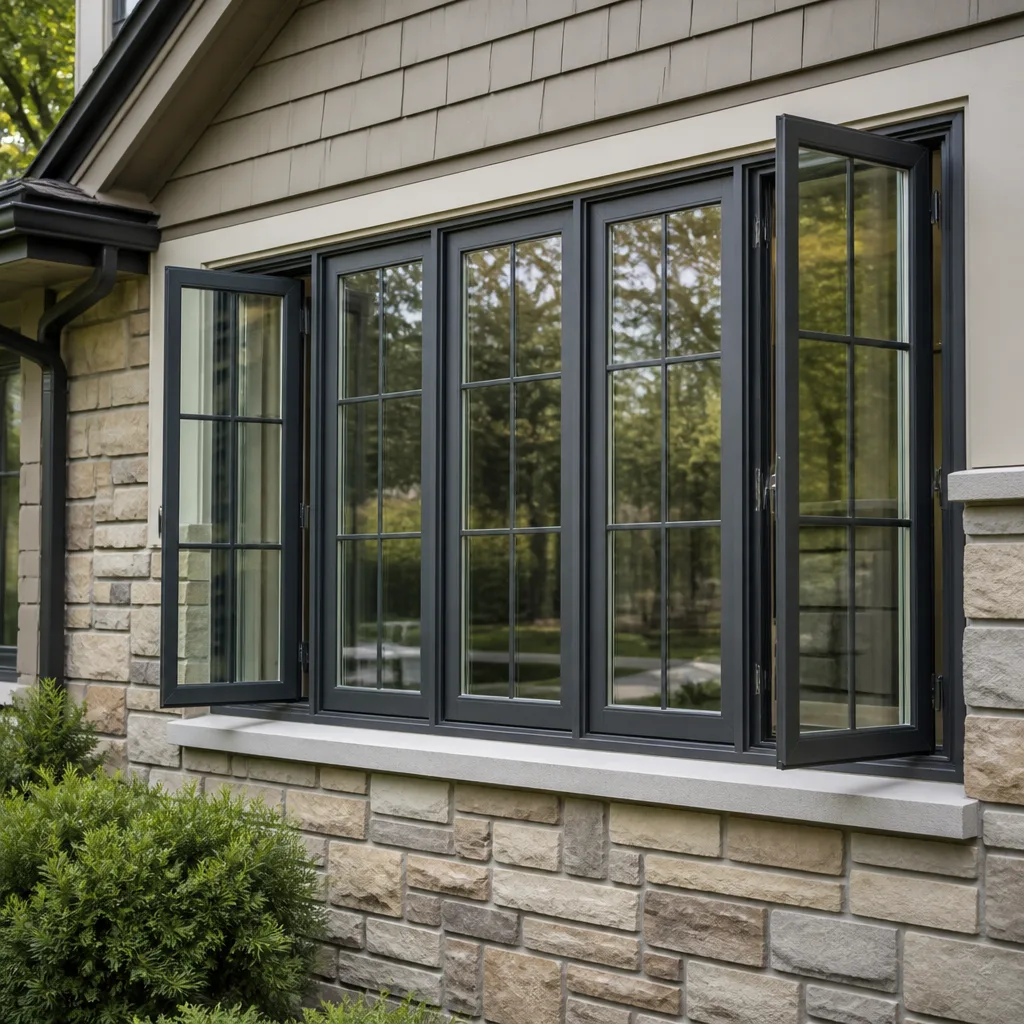 Casement
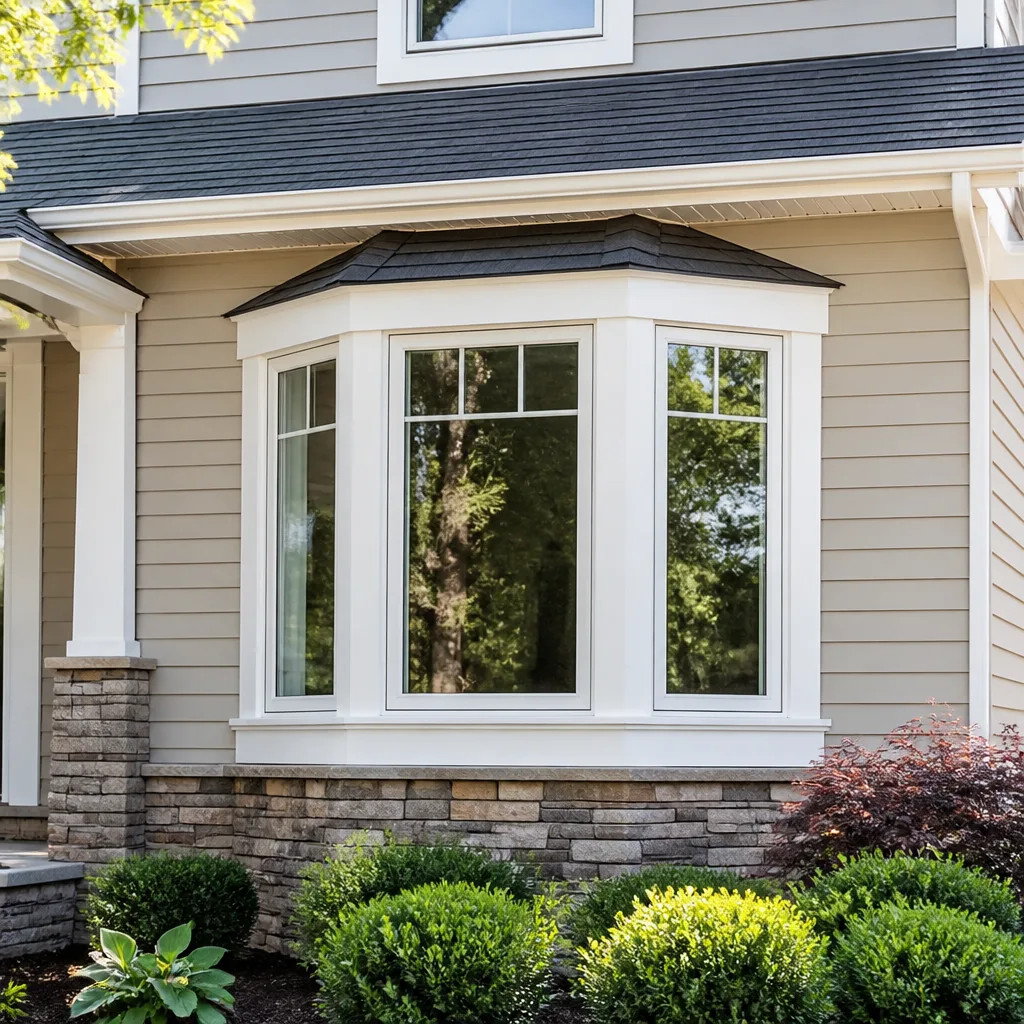 Bay & bow
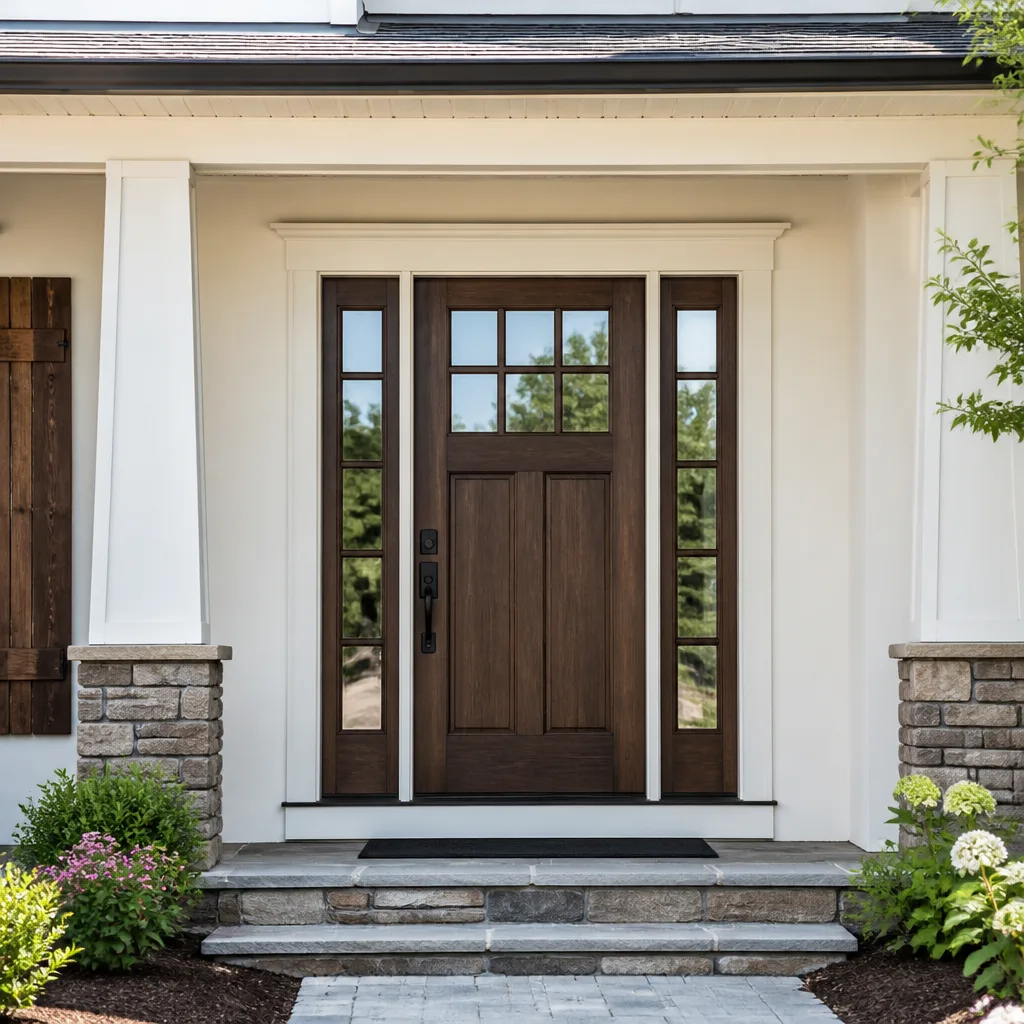 Entry doors
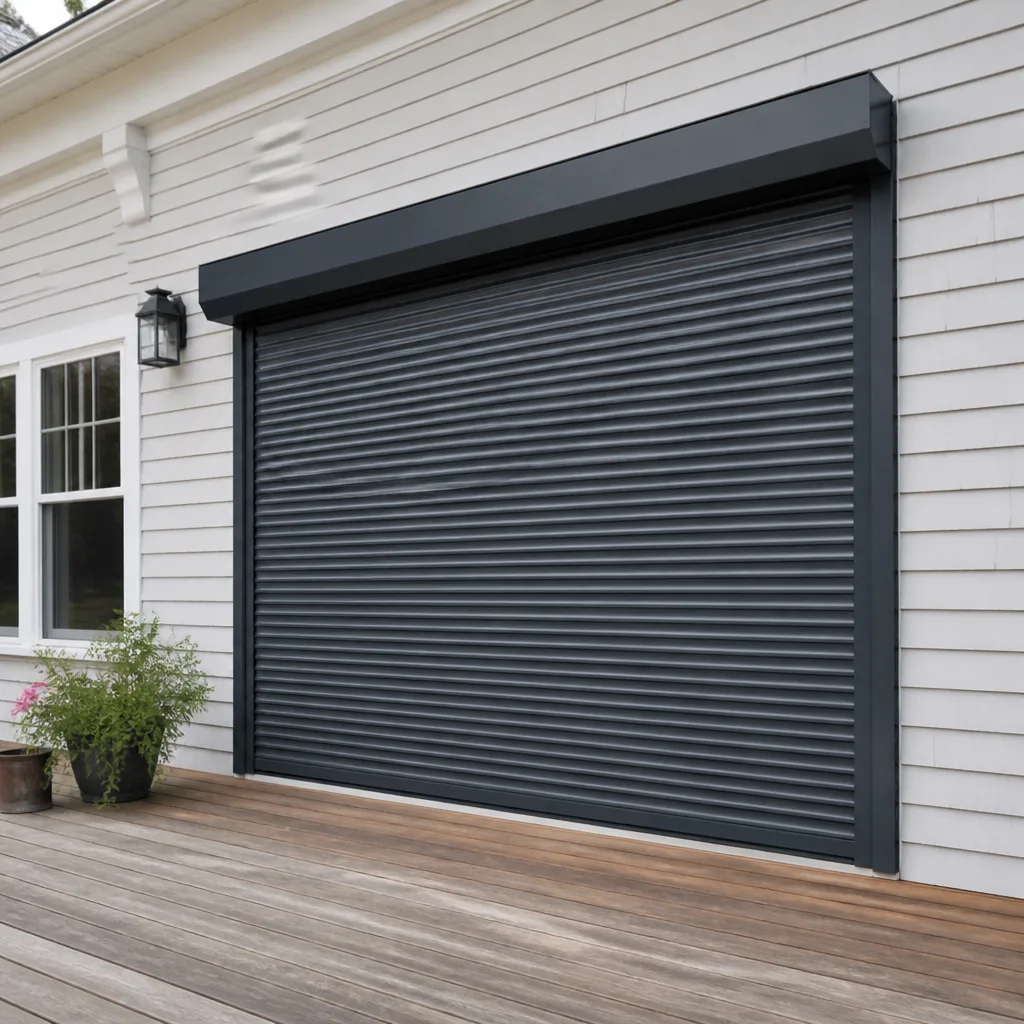
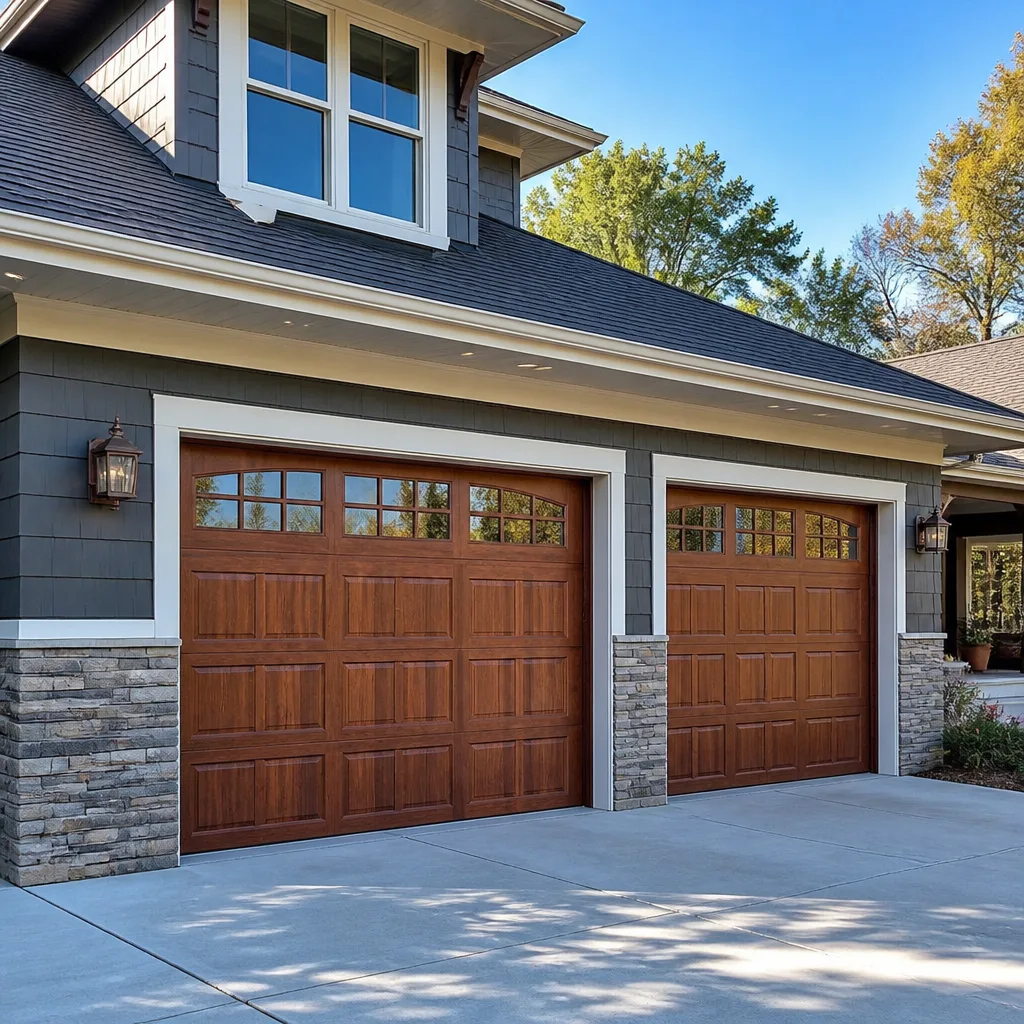 Impact garage doors
 PGT
PGT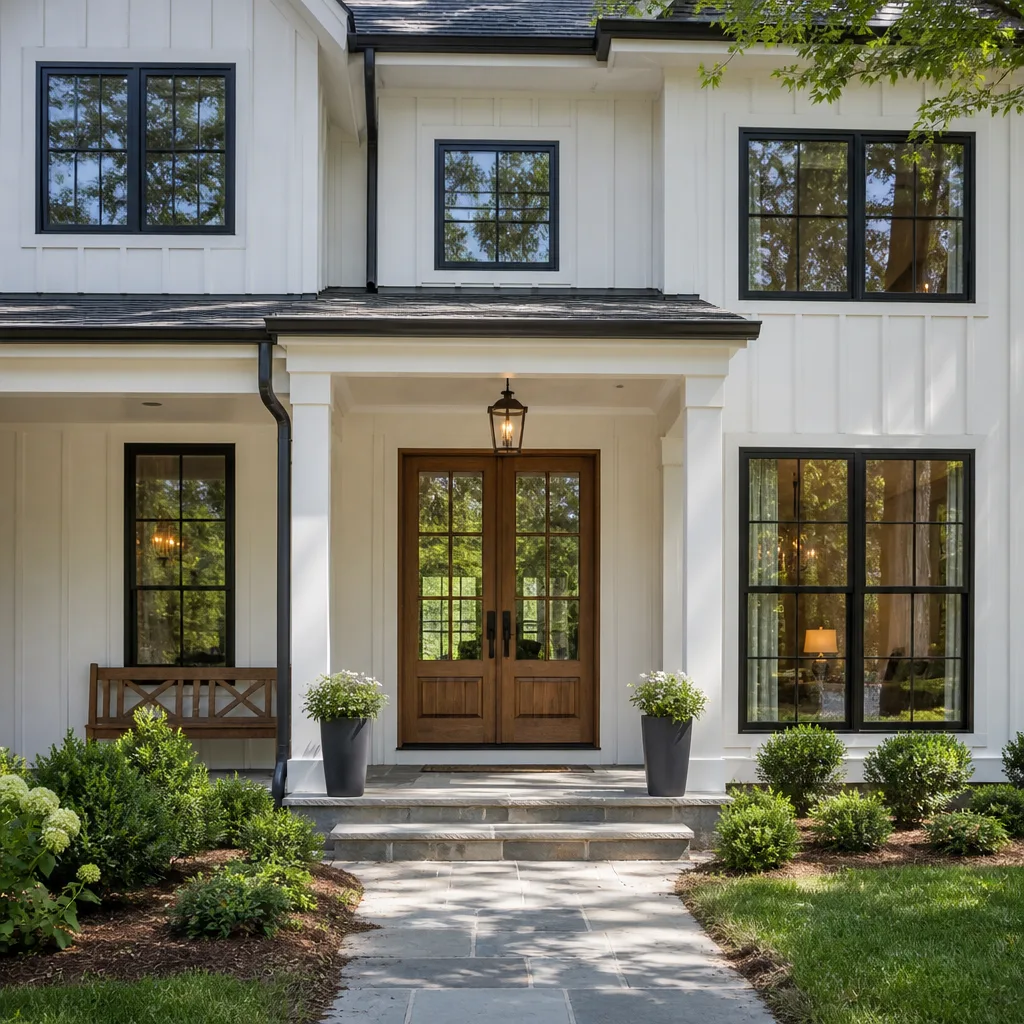 CGI
CGIFree in-home measure and quote - PGT, CGI and CWS impact lines compared on your actual openings, style by style
Get your free estimateThe Complete Guide to Windows & Doors in West Palm Beach
Most window guides are written for Ohio winters. West Palm Beach homeowners face the opposite problem: relentless UV degradation, Category 4 wind-load requirements, and humidity that turns a poor sill detail into a mold problem within one rainy season. This guide is written for the house you actually live in, not a generic American home, and you can find more guides & resources on our blog. You’ll learn how Palm Beach County’s building code narrows your choices before design preferences even enter the conversation, what impact ratings mean on a spec sheet versus during a named storm, and how the right window or door affects what you pay for homeowners insurance every single year.
Styles & brands we work with
Quick Answer
Choosing windows and doors in West Palm Beach means starting with the High-Velocity Hurricane Zone (HVHZ) code requirements, not with frame colors or glass packages. Any product you consider must carry a Miami-Dade Notice of Acceptance (NOA) or Florida Product Approval, and if you live within two miles of the Intracoastal, salt-air corrosion resistance becomes as important as impact performance. The practical path: verify code compliance first, match the product to your specific exposure, then choose aesthetics from what remains, which is often more than most homeowners expect.
Table of Contents
- Why West Palm Beach Has Its Own Window Code (and What HVHZ Means)
- Salt Air, Proximity to the Intracoastal, and What It Does to Window Frames
- How Your Window’s NOA Number Affects Homeowners Insurance Premiums
- What “Impact-Rated” Actually Means on a Spec Sheet vs. During a Storm
- Frame Materials Ranked for South Florida: Aluminum, Vinyl, and Wood Alternatives
- Eight Manufacturer Brands and the West Palm Beach Conditions Each One Suits
- Replacement Windows vs. Full-Frame Installation: When Each Makes Sense
- Common Mistakes to Avoid
- When to Call a Professional
- Frequently Asked Questions
- The Bottom Line
Why West Palm Beach Has Its Own Window Code (and What HVHZ Means)
Palm Beach County sits inside the High-Velocity Hurricane Zone, a designation that covers Miami-Dade and Broward counties as well. The HVHZ is not a marketing term. It is a section of the Florida Building Code that sets stricter wind-load and impact-resistance standards than the rest of the state. A window that meets code in Orlando may not be legal to install in West Palm Beach at all.
The HVHZ requires windows and doors to resist wind pressures that vary by building height and location from the coast. A second-story window in a West Palm Beach neighborhood like Flamingo Park faces different wind loads than a ground-floor unit near Currie Park, because wind speed increases with height and exposure. Your home’s wind zone determines the design pressure (DP) rating your products must meet. That number lives on the product label and in its approval documents.
Here is what the HVHZ means in practice for your project:
- Approved products only: You cannot install any window or door that lacks a Miami-Dade NOA or Florida Product Approval. The inspector will check.
- Labels matter: Every approved product carries a physical label with the manufacturer, model, and rating. Removing that label is a code violation.
- No field improvisation: HVHZ rules override generic installation guides. Anchoring methods, fastener spacing, and sealant details are product-specific and code-driven.
- Inspections are not optional: A permit and inspection are required in West Palm Beach for any window or door replacement. Skipping the permit creates problems at resale and with insurance claims.
We’ve worked on homes throughout West Palm Beach where the windows were installed under an older code cycle. South Florida’s building standards tightened significantly after Hurricane Andrew in 1992, and they have continued to evolve. If your windows date from before that period, they almost certainly do not meet current HVHZ requirements, even if they look fine from the living room.
Salt Air, Proximity to the Intracoastal, and What It Does to Window Frames
West Palm Beach does not have one climate. It has at least three, and they change within a few miles. Homes directly on the Intracoastal Waterway face daily salt spray and wind-driven chlorides. Homes two miles inland, in neighborhoods like Vedado or Sunshine Park, still get salt in the air but at a lower concentration. Homes west of I-95 see less salt but more standing humidity. Your address determines which corrosion problem you are actually solving.
Salt air corrodes metal. That sounds obvious, but it has specific consequences that national window guides never spell out:
- Aluminum frames without marine-grade finishes will pit within five to seven years within two miles of the water. The frame does not fail structurally, but the surface degrades, and water gets where it should not.
- Stainless steel hardware is not automatically marine grade. Standard stainless will show rust spots near the coast. Products rated for coastal exposure use 316 stainless or equivalent.
- Roller assemblies and hinges suffer first. Salt works into moving parts faster than static frames. A sliding glass door that operates smoothly for two years near Flagler Drive may start grinding by year three.
- Screens corrode silently. Standard aluminum screen frames turn chalky and brittle near salt water. Fiberglass mesh outlasts aluminum mesh in this environment.
The fix is not to avoid metal. It is to choose products rated for coastal exposure. Several manufacturers in the Lightwell lineup offer marine-grade finishes on aluminum frames specifically for Florida’s coastal counties. When we walk a home near the water in West Palm Beach, the first question is about finish certification, not color. The color matters to the homeowner. The finish rating matters to the window.
Vinyl frames handle salt better than aluminum in some ways. They do not corrode. But vinyl expands and contracts with temperature, and South Florida’s heat-cycling is harder on it than most installation guides admit. A well-fabricated vinyl window with steel reinforcement can perform well here, but a budget vinyl unit with thin walls will warp and bow within a few summers. Material selection is a tradeoff between corrosion resistance, structural stiffness, and what your specific home needs.
How Your Window’s NOA Number Affects Homeowners Insurance Premiums
Insurance companies in Florida read product labels. They know which windows and doors carry Miami-Dade County Notice of Acceptance numbers, and they price policies accordingly. A home in West Palm Beach with non-impact windows and no shutters pays meaningfully more for windstorm coverage than the same home with NOA-approved impact products.
The NOA number is the technical fingerprint of a product’s approval. It tells an underwriter three things:
- That the product passed Miami-Dade’s testing protocol, the strictest in the country.
- That the product’s exact make, model, and configuration are documented and traceable.
- That the installation followed the manufacturer’s approved methods, not a generic approach.
When you sign a contract for windows in West Palm Beach, ask for the specific NOA numbers for every product on the order. Then look them up on the Miami-Dade County Building Department’s online product control search. This takes ten minutes and tells you whether the product is currently approved and for what applications. We encourage every customer to do this. A contractor who hesitates to provide NOA numbers is a contractor whose products may not be what the contract says.
Some insurance carriers apply premium credits only when a full opening protection system is documented: impact windows on every opening, or impact doors plus shutters where windows are not impact-rated. Partial upgrades often do not trigger the full credit. If your West Palm Beach home has a mix of old and new windows, the old ones may still set your insurance rate. This is worth knowing before you replace three windows and expect a premium reduction.
What “Impact-Rated” Actually Means on a Spec Sheet vs. During a Storm
An impact-rated window is not a window that cannot break. It is a window that resists wind-borne debris and pressure cycling in a specific, tested way. During a named storm, the difference between an impact-rated unit and a standard unit is not just whether the glass survives. It is whether the house stays pressurized.
Here is what happens during a storm, step by step:
- Wind loads push against the exterior face of the window. The frame and glass flex together.
- If a piece of debris hits the glass, the impact-resistant laminate holds the glass in place. The glass may crack in a spider-web pattern, but the inner membrane keeps it intact.
- Because the glass stays in the frame, the building envelope remains sealed. Wind cannot enter the house to push out walls or lift the roof.
- After the storm, the cracked unit stays weathertight until a replacement can be scheduled. It is damaged, but it still performed its job.
A non-impact window under the same debris strike shatters inward. Wind enters, and the pressure differential becomes the real hazard. Roof failures in hurricanes are often caused by pressurization after a window fails, not by wind alone.
The spec sheet language matters. “Impact-resistant” refers to the laminated glass package. “Missile-D” testing refers to the large-missile test, where a 9-pound 2×4 is fired at the product at 50 feet per second. “Cyclic pressure” testing simulates repeated wind gusts after impact. All three are part of Miami-Dade approval. When a product says it meets only “large missile” or mentions “windborne debris regions,” you need to know which standard applies to your West Palm Beach address.
Frame Materials Ranked for South Florida: Aluminum, Vinyl, and Wood Alternatives
Every frame material involves a tradeoff. The right choice in West Palm Beach depends on your home’s exposure, your budget, and how much maintenance you are willing to live with. Here is how the options actually perform in this climate.
| Material | Best For | Watch Out For | Coastal Performance |
|---|---|---|---|
| Aluminum | Wide openings, modern homes, sliders, direct coastal exposure with marine finish | Thermal transfer, interior condensation on humid days | Excellent with marine-grade finish, poor without it |
| Vinyl | Single-hung and double-hung replacements, budget-sensitive projects, inland West Palm Beach homes | Frame expansion in full sun, cheap units without steel reinforcement | Good to very good, no corrosion, but structural limits |
| Wood-clad | Historic districts like El Cid, specific architectural styles where wood is required | Moisture intrusion at joints, termite exposure, ongoing maintenance | Poor unless fully protected from salt and moisture |
| Composite | High-end replacements, homeowners wanting wood aesthetics with lower maintenance | Cost, limited manufacturer availability in HVHZ configurations | Good, depending on finish system |
In our experience, homes within sight of the Intracoastal in West Palm Beach do best with marine-grade aluminum or reinforced vinyl. Homes in older neighborhoods with wood windows often need a hybrid approach: impact-rated aluminum on the street-facing elevations and more aesthetic options elsewhere. The decision is not one-size-fits-all, which is why a written estimate should always include the reasoning behind the product recommendation, not just the model number. For a deeper look at these tradeoffs, see our DIY vs Professional Windows & Doors: The West Palm Beach Homeowner’s Decision Guide.
Eight Manufacturer Brands and the West Palm Beach Conditions Each One Suits
Lightwell carries eight manufacturer brands: PGT, CGI, CWS, ES Windows, ECO Window Systems, Mr-Glass, Therma-Tru, and ViewLux. That is unusual for an independent local dealer. Most window companies represent two or three brands and steer every job toward whatever they have in the warehouse. We carry eight because a house on Flagler Drive and a house in Riverwalk need different products.
Here is how we think about matching specific brands to specific West Palm Beach conditions:
- PGT and CGI are the workhorses of Florida coastal construction. Both offer broad HVHZ-approved product lines, strong warranty programs, and proven performance in salt-exposure environments. If you want a window that an insurance underwriter recognizes immediately, these are the brands they know.
- CWS and ES Windows serve the architectural end of the market: larger openings, custom configurations, and contemporary sightlines. Homes on the water that want floor-to-ceiling glass often gravitate here.
- ECO Window Systems and Mr-Glass are where value meets code compliance. They do not have the brand recognition of PGT, but they meet the same HVHZ standards and often fit tighter budgets without sacrificing approval numbers.
- Therma-Tru and ViewLux focus on doors. Therma-Tru is the leading fiberglass entry door brand in Florida, resistant to heat, moisture, and warping in ways wood cannot match. ViewLux offers doors with larger glass areas for homes that want light without giving up security.
The brand is not the point. The point is that the product matches the home. A West Palm Beach homeowner near the coast needs a marine-grade aluminum frame and impact glass, not a specific logo. We recommend starting with the performance requirement and letting the brand follow from it.
Replacement Windows vs. Full-Frame Installation: When Each Makes Sense
Not every window project is the same job. The distinction between a replacement window and a full-frame installation is one of the most misunderstood parts of buying windows in West Palm Beach, and it affects price, performance, and what the finished opening looks like.
A replacement window, sometimes called a pocket or insert window, fits inside the existing frame. The old sashes and hardware come out, but the original frame stays in place. This approach is faster, less invasive, and usually less expensive. It makes sense when:
- The existing frames are square, solid, and free of rot or corrosion.
- The home’s interior trim is in good condition and you want to keep it.
- You are replacing several windows on a budget and the structural openings are sound.
A full-frame installation removes everything down to the rough opening. The new window is installed with new flashing, new sealing, and new interior and exterior trim. This is the right call when:
- Frames show rot, corrosion, or water damage from years of Florida humidity.
- The existing installation does not meet current HVHZ anchoring requirements.
- You want to change the window size, shape, or configuration.
- Air or water is getting in around the old frame, not just through the sash.
In West Palm Beach, full-frame is the correct recommendation more often than homeowners expect. Older aluminum frames installed decades ago have thermal and weathering issues that a pocket insert does not address. The insert might be new, but the weak point remains the frame around it.
For a detailed look at how this choice plays out on an actual project, see our guide to Window Replacement in West Palm Beach. If you are deciding between repairing what you have and replacing it entirely, our Window Installation in West Palm Beach page walks through that decision in practical terms.
Common Mistakes to Avoid
- Choosing style before checking code approval. Falling in love with a window that lacks Miami-Dade approval wastes weeks and often leads to a compromise product. Start with the approved list, then choose aesthetics.
- Ignoring the finish rating near the coast. A standard aluminum frame two blocks from the Intracoastal will corrode. Marine-grade finishes cost more, and replacing them costs far more.
- Skipping the permit. Unpermitted window work in West Palm Beach creates trouble at resale, with insurance claims, and with the city. A permit is not a bureaucratic box to check. It is proof the work was done to code.
- Mixing impact and non-impact openings without understanding insurance consequences. One non-impact window can disqualify the whole home from the full windstorm credit. If you’re doing a partial replacement, know what your policy requires.
- Buying on price per window alone. A low per-unit price means nothing if the installation method does not meet HVHZ anchoring standards or the product lacks the right NOA for your exposure.
- Waiting until hurricane season to start. Every contractor in Palm Beach County gets booked months out before June. Starting a window project in May means you may be waiting through August. Start in the off-season if you can.
- Not reading the NOA documents yourself. Contractors can make mistakes. The ten minutes it takes to look up a product number on the county website is worth more than any verbal assurance.
When to Call a Professional
Some window and door work is genuinely simple. Lubricating a slider track, tightening a loose handle, or cleaning weep holes fall into the homeowner-maintenance category. For a full schedule of upkeep, see our Seasonal Windows & Doors Care for West Palm Beach: Year-Round Homeowner’s Guide. But any project that involves removing an existing window or door, cutting into a rough opening, or dealing with structural anchoring belongs with a trained crew. HVHZ installation is not a handyman-level task. The fastener schedule, sealant details, and flashing sequence are code-specified and product-specific. Doing it wrong does not just void a warranty. It creates a weak point in the envelope of a home that has to survive a hurricane.
Lightwell Windows West Palm Beach offers free estimates across West Palm Beach and the surrounding area. Our crews are background-checked and uniformed, and every job comes with a written price before any work starts. Call (728) 203-1160 to schedule a walkthrough.
Frequently Asked Questions
Most impact-rated window replacements in West Palm Beach run between $900 and $2,400 per opening, depending on size, frame material, brand, and whether the job is a pocket replacement or a full-frame installation. A typical mid-size single-hung vinyl impact window starts near the lower end, while large aluminum sliders or custom architectural units push toward the top. Call (728) 203-1160 for an exact quote on your specific openings. Estimates are free.
You need every opening protected, but that protection can come from impact windows or from a combination of impact windows and approved shutters. Insurance carriers typically require full opening protection for the full windstorm premium credit. If you are replacing windows in phases, plan the phases so that each completed phase leaves the home fully protected.
A Miami-Dade NOA is issued by Miami-Dade County and is the strictest product approval in Florida. A Florida Product Approval is a statewide approval that meets Florida Building Code requirements but may not meet the stricter Miami-Dade testing protocol. West Palm Beach accepts both, but the NOA carries more weight with underwriters and is the safer choice for coastal exposures.
A typical full-house window replacement of fifteen to twenty openings takes two to four working days once the products arrive. Product lead times vary by manufacturer and season, and they can run anywhere from three to ten weeks. The installation itself is measured in days, but the overall project timeline is driven by fabrication and delivery.
Yes. Impact-rated laminated glass reduces outside noise more than standard single-pane glass, which matters on busy West Palm Beach streets and near rail corridors. The laminated interlayer that gives the glass its impact resistance also dampens sound transmission. Homeowners near Southern Boulevard or the FEC tracks often notice the difference immediately.
In most cases, yes. Homes with full opening protection in the form of approved impact windows or impact windows plus shutters qualify for windstorm premium credits with most Florida carriers. The exact credit depends on your insurer, your home’s location, and the specific products installed. Ask your agent for the credit before signing a contract, and provide the product NOA numbers for verification.
The Bottom Line
Windows and doors in West Palm Beach are not a design decision made in a showroom. They are a structural and financial decision made in response to a specific climate and a strict code. Start with HVHZ compliance, verify NOA numbers, match materials to your distance from the water, and understand what your insurance policy actually requires before you spend a dollar. The products exist to do all of it correctly. The job is to choose carefully, install properly, and keep every piece of paper that proves it. A light well is what brings daylight deep into a building. That is what a well-installed window should do for your home. For help with any part of the process, start with our Lightwell Windows West Palm Beach home page or explore Door Installation in West Palm Beach for entry systems built for this climate.
Written by Keith Yamada, Owner at Lightwell Windows West Palm Beach, serving West Palm Beach since 2010.
See the difference
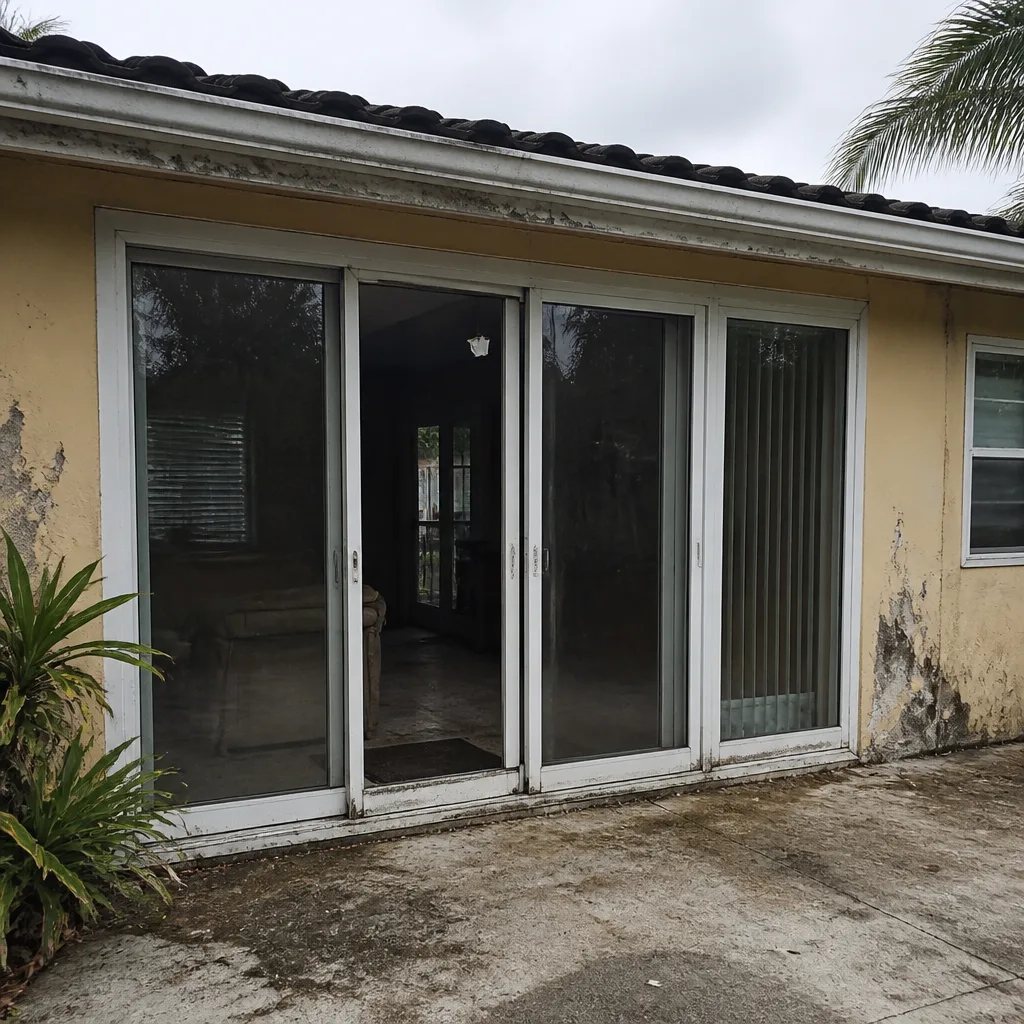 Before
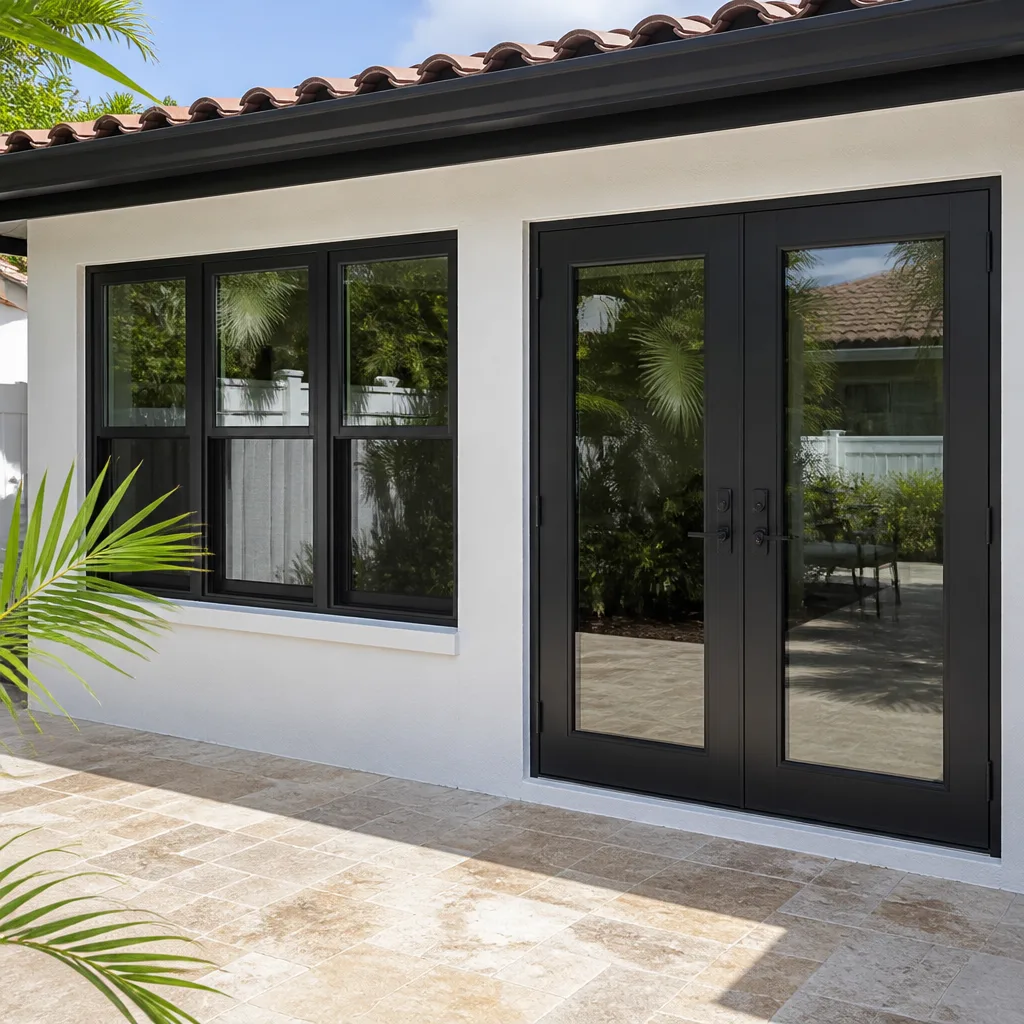 After
After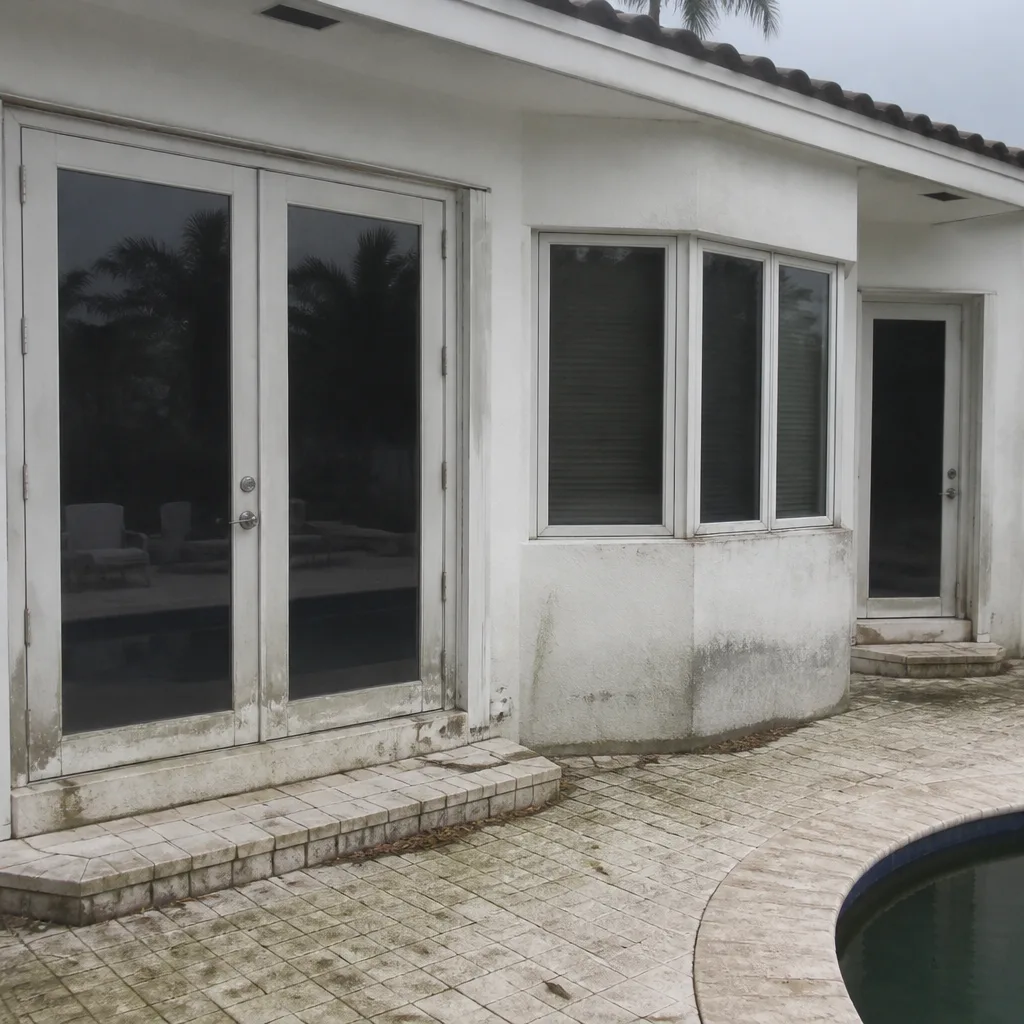 Before
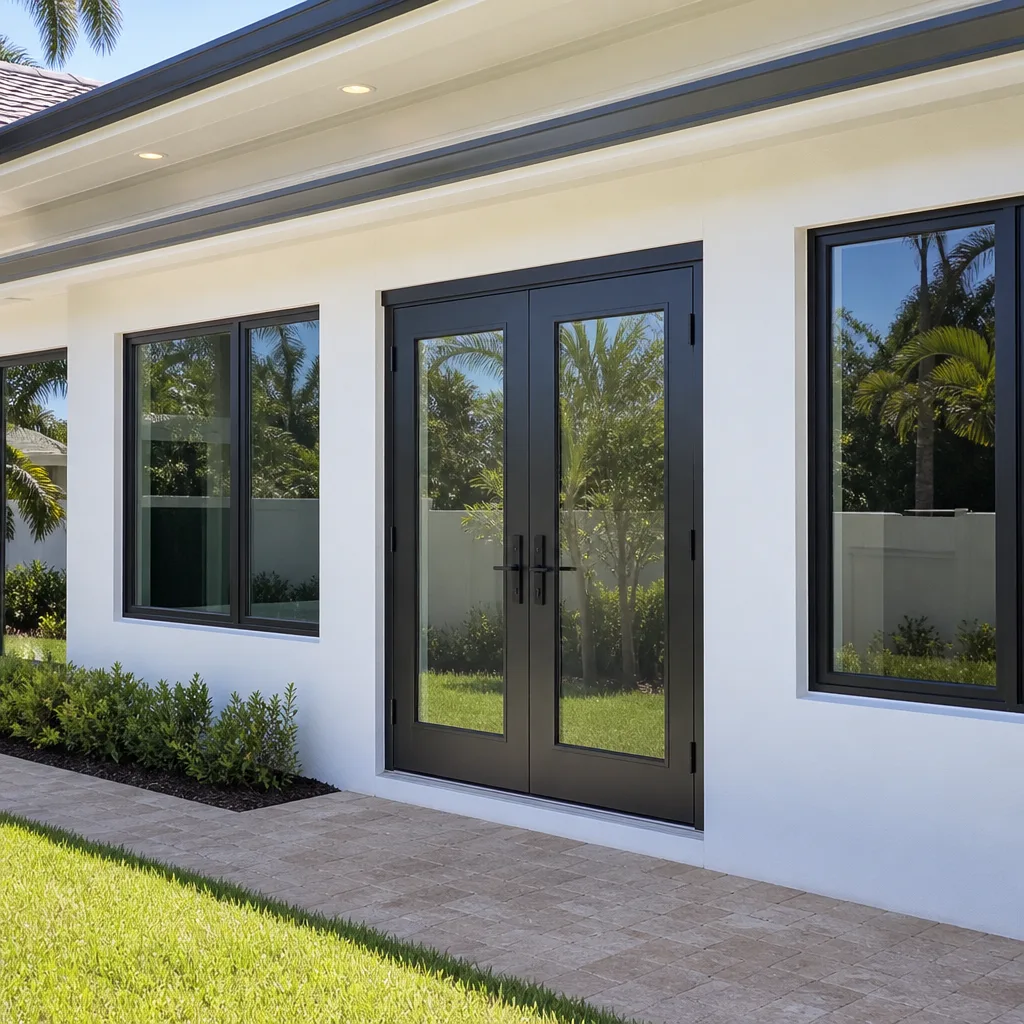 After
After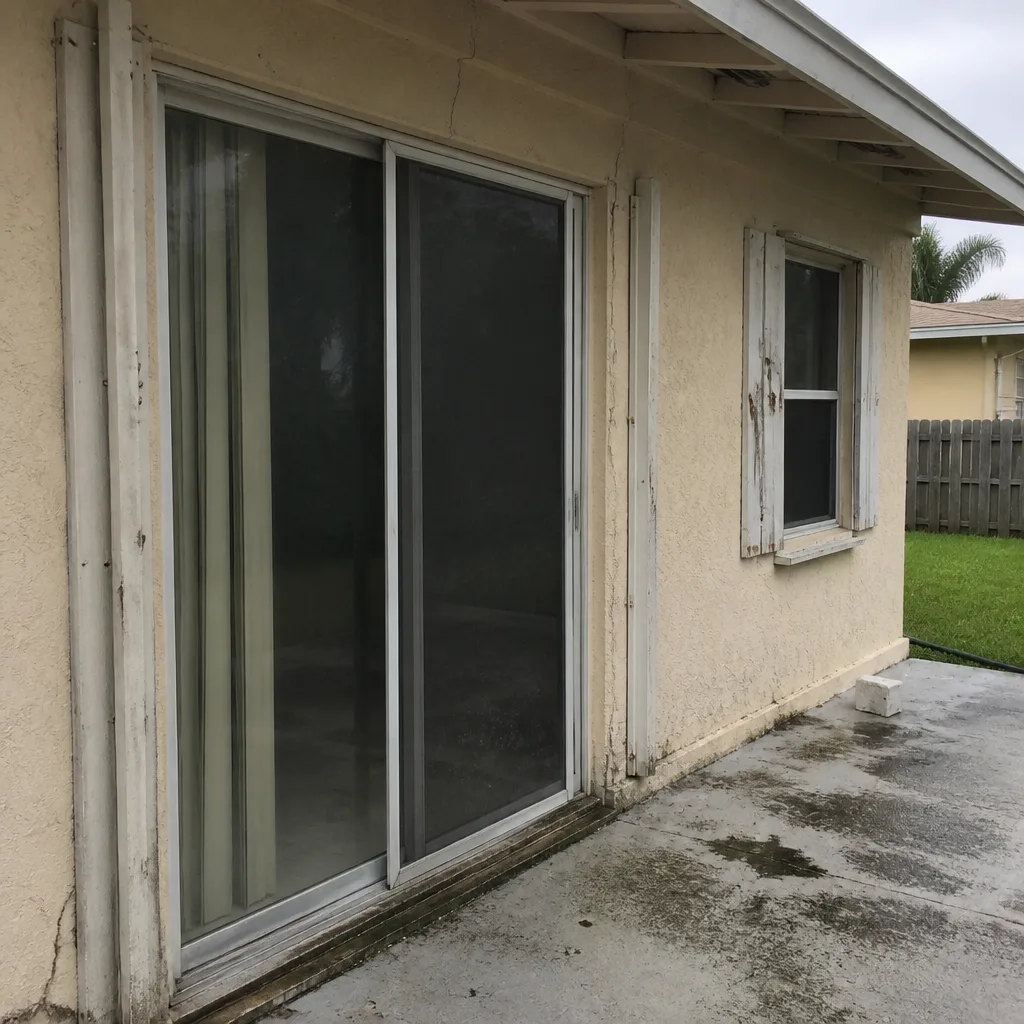 Before
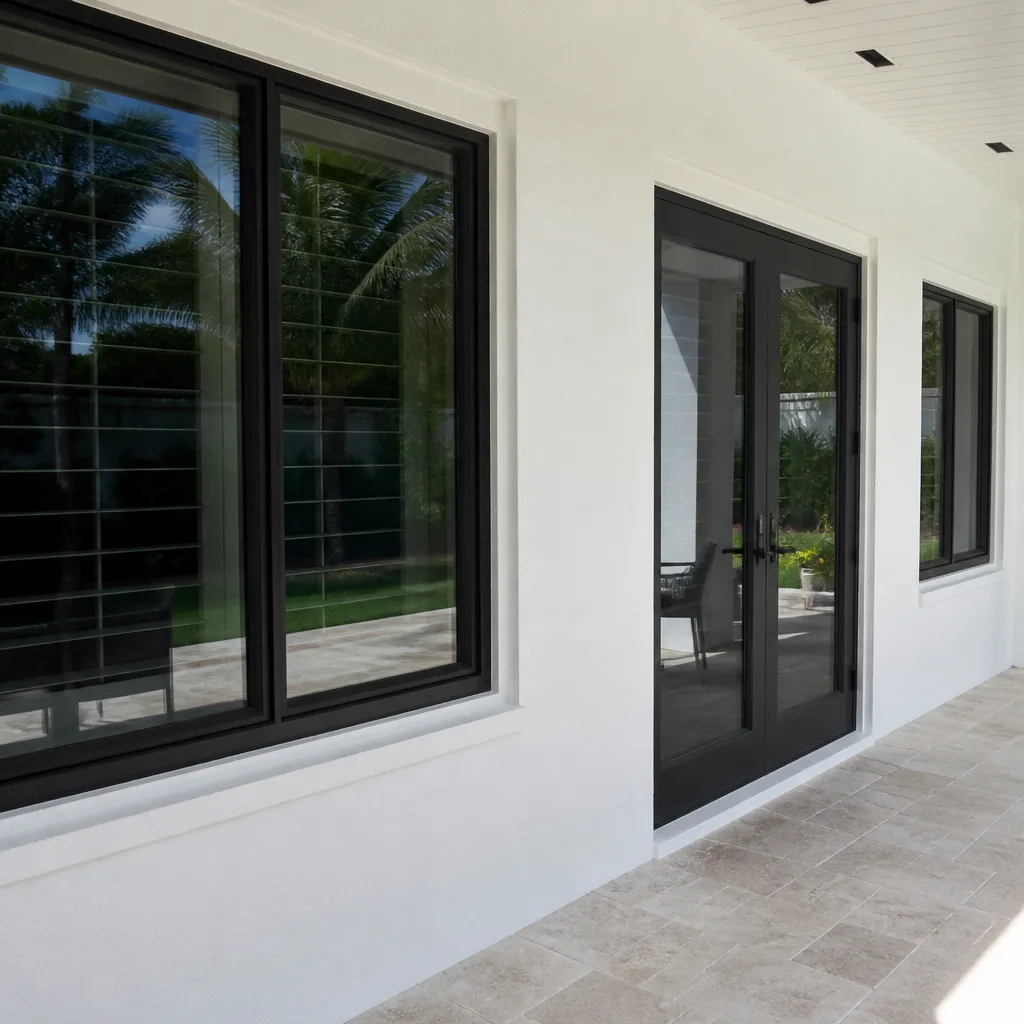 After
AfterSix Reasons Homeowners Choose Lightwell Windows West Palm Beach
Impact systems engineered to design pressures up to +/-100, matched to your wind zone - your openings hold when the storm arrives.
Low-E insulated impact glass from our manufacturer lines commonly cuts monthly cooling bills 20-30%.
Laminated impact glass shuts out up to 40% of outside noise - traffic, neighbors, weather.
Monitoring services run $30-90 a month. Laminated impact glass resists forced entry around the clock, with no subscription.
Florida homeowners average around 25% savings on the windstorm portion of their policy after protecting every opening - some homes qualify for more.
A full impact package upgrades curb appeal, buyer confidence and appraised value in one project.